KKR Commits $10 Billion to Build AI Power Plants in the US
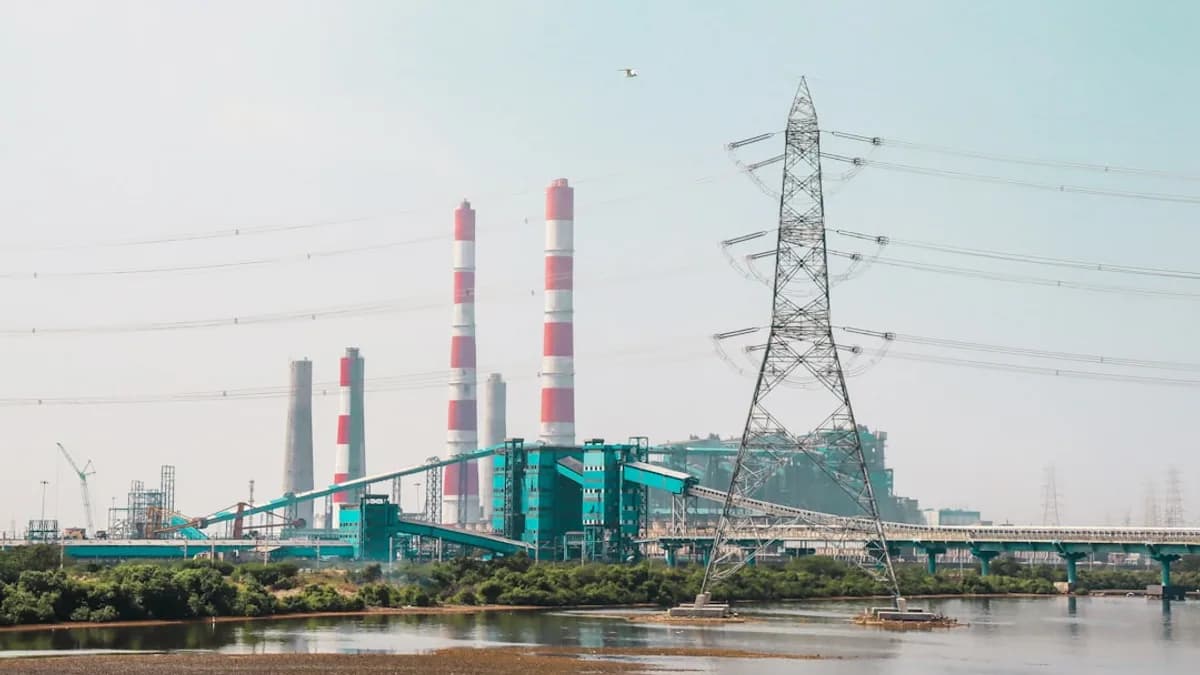
KKR is sinking $10 billion into a new breed of power plants engineered specifically for artificial intelligence workloads—by far the largest private bet yet on AI energy infrastructure in the US. The buyout giant aims to build and operate facilities capable of feeding the voracious electricity needs of AI data centers, with construction starting as soon as next year, according to CryptoBriefing.
The rollout will begin in Texas and Georgia, two states with both plentiful land and relatively relaxed permitting for energy projects. KKR is working with utility-scale energy developers and local governments to secure grid access, land rights, and environmental clearances. Early blueprints call for modular plants co-located near major cloud campuses run by Microsoft, Google, and Amazon, as well as new sites in less saturated rural zones.
KKR's $10 billion commitment dwarfs previous attempts to directly link power generation with AI infrastructure. The capital will be disbursed over a five-year window, with the first plants expected online by late 2026. The scale signals a shift: instead of retrofitting old grids to keep up with AI’s appetite, Wall Street is now building bespoke supply chains from the ground up.
The firm isn’t alone in this race—Blackstone and Brookfield have announced smaller partnerships in the AI energy space—but KKR’s direct control over both financing and operations marks a break from the norm. The main stakeholders include KKR’s infrastructure fund, a coalition of utility partners, and several undisclosed cloud hyperscalers who are expected to anchor demand under long-term contracts.
How KKR’s AI Power Plants Could Strengthen US Tech Leadership and Global Influence
Access to cheap, reliable energy is the new arms race for AI supercomputing. KKR’s plants are designed to guarantee megawatt-scale power for data centers running large language models and advanced training clusters. This could tilt the competitive balance: the US already accounts for over 40% of the world’s AI compute capacity, but grid bottlenecks have stalled expansion in hotbeds like Northern Virginia and Silicon Valley.
By tackling the energy constraint head-on, KKR is arming US tech giants with the juice needed to train next-generation AI models—potentially years before rivals in Europe or Asia can match capacity. That helps fortify American dominance not just in cloud services but in downstream applications from defense to biotech.
The strategic implications stretch beyond tech. Last year, power-hungry data centers in the US consumed an estimated 2.5% of the nation’s total electricity, a figure projected to double by 2027 if current AI growth continues. Building dedicated AI power plants—potentially with both gas and renewables—could free up existing grids for residential and industrial use, while reducing the risk of blackouts or price spikes.
There’s a geopolitical layer here: China has been racing to build out its own AI compute clusters, but faces chronic energy shortages and stricter emissions constraints. If the US can solve the AI energy bottleneck first, it could set the pace for global innovation and attract international investment from firms seeking reliable compute.
Investors are watching for downstream effects in chip manufacturing, cloud platform pricing, and even local real estate markets near new plants. For the US economy, the upside is clear: every billion dollars spent on power infrastructure typically generates $2-3 billion in follow-on tech investment and creates thousands of construction and engineering jobs.
Next Steps and What to Watch in the Race for AI Infrastructure Supremacy
The clock is ticking. KKR’s first milestone is securing all permits and breaking ground on initial sites by mid-2025. Early challenges include negotiating with local utilities wary of peak-demand spikes, navigating federal energy approvals, and lining up anchor tenants among the hyperscalers. Opposition from environmental groups could add delays, especially if fossil fuels play any role in the energy mix.
Rivals are already maneuvering. Blackstone’s joint venture with Digital Realty is targeting brownfield retrofits rather than new builds, while Brookfield’s focus on Canadian hydroelectricity could pressure KKR to source more green power. Microsoft and Google are also negotiating directly with renewable providers—if they cut separate deals, KKR’s demand assumptions could slip.
Regulators, too, are taking notice. The Department of Energy is weighing new standards for AI-linked power plants, including emissions caps and grid interconnection rules. Any shift in federal policy—especially around clean energy tax credits—could reshape the economics of KKR’s bet.
If the rollout stays on track, the first operational plants will test whether custom-built AI power supplies can scale as fast as compute demand. If successful, expect a scramble: rivals, pension funds, and sovereign wealth investors will race to replicate the blueprint, both in the US and abroad.
For now, KKR has planted its flag. The next two years will reveal whether Wall Street’s muscle can keep up with Silicon Valley’s ambition—or if the real bottleneck in the AI boom is no longer chips, but electricity.
Why It Matters
- KKR's $10B investment is the largest private commitment to AI energy infrastructure in the US.
- Purpose-built power plants will directly support the growing electricity demand from AI data centers.
- Strengthening US tech infrastructure could enhance America's global leadership in AI and cloud computing.