Navigating Market Volatility Amid Iran Cease-Fire Uncertainty
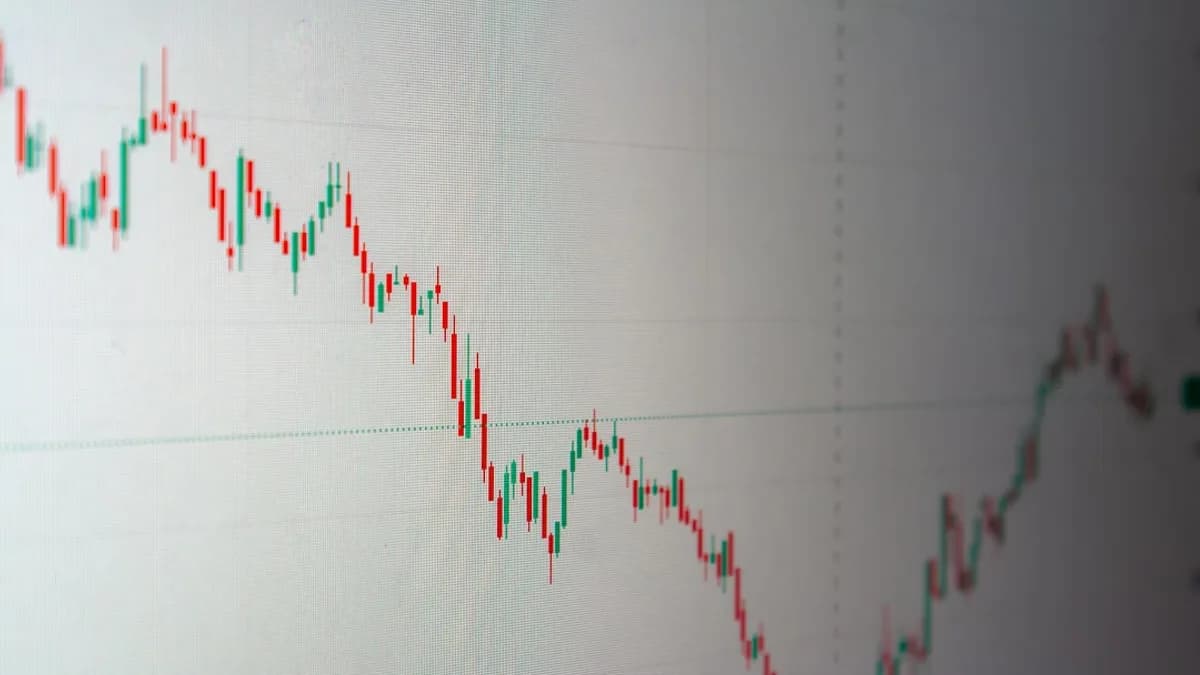
The world’s financial pulse quickened this week as Wall Street’s record-breaking rally paused, with the Dow, S&P 500, and Nasdaq all posting modest losses. The catalyst? An ominous deadline for a cease-fire in Iran, casting a long shadow over investor sentiment and rekindling fears of a broader conflict in the Middle East [Source: Source]. In a market environment already sensitive to global shocks, the escalation of tensions in one of the world’s most strategically vital regions is a stark reminder that geopolitics still holds power over portfolios. As investors digest the latest headlines, the question isn’t just about the immediate dip in stock prices—it’s about how global markets will adapt if the crisis deepens.
How Iran Tensions Are Shaping Global Market Dynamics
Geopolitical risk has always been a wild card for markets, but the current Iran conflict is a textbook example of how quickly sentiment can shift. When military threats materialize in a region that’s a linchpin for global energy supply, investors and companies must brace for ripple effects that extend far beyond the price of oil.
The most immediate impact has been a spike in crude prices, as traders factor in both real and potential supply disruptions [Source: Source]. Iran sits astride the Strait of Hormuz, through which roughly a fifth of the world’s oil is transported daily. Any suggestion of conflict in this bottleneck sends shockwaves through energy markets. Oil futures climbed sharply in anticipation of supply shortfalls, with analysts warning that even the hint of a sustained shutdown could push prices far higher [Source: Source].
This energy volatility is spilling over into equity markets. The recent pullback from all-time highs in major U.S. indices is less about fundamentals and more about recalibrating for risk. Investors are re-evaluating exposure to sectors sensitive to energy costs—think airlines, logistics, and manufacturing—while also considering the broader economic implications if sustained high oil prices drive up inflation and slow the global recovery.
We’ve seen this pattern before. In 2019, a drone attack on Saudi oil infrastructure briefly halted 5% of global supply and sparked a short-term rally in energy stocks, while dragging down transportation and consumer-facing sectors. The difference now: markets are already stretched after months of gains, making them more vulnerable to sudden shocks. The Iran situation serves as a stark reminder that geopolitical flashpoints can upend even the strongest bull runs.
The Strait of Hormuz: A Strategic Flashpoint Impacting Investor Confidence
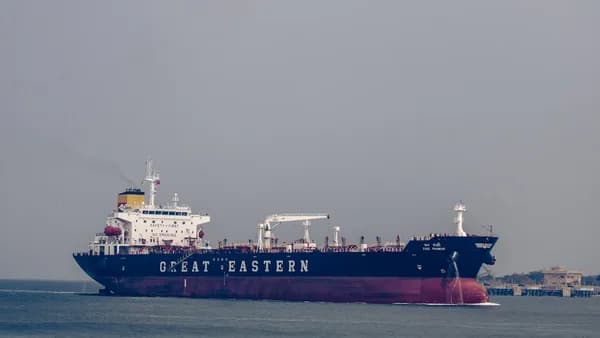
Few geographic chokepoints carry as much weight in the global economy as the Strait of Hormuz. Stretching just 21 miles at its narrowest, this corridor is the artery through which roughly 21 million barrels of oil—about 20% of global consumption—flows daily. Its strategic importance cannot be overstated: any disruption, even temporary, reverberates through energy markets and, by extension, the entire financial system.
Recent weeks have seen the Strait edge dangerously close to open conflict. Military posturing and threats—such as “We’re prepared to subject you to disabling fire,” according to recent reports—have transformed routine shipping lanes into potential combat zones [Source: Source]. For investors, this isn’t just a matter of supply and demand; it’s about confidence, or the lack thereof, in the safety of critical infrastructure.
The psychological effect on markets is profound. Even before a single barrel is disrupted, the mere possibility of military escalation forces traders to price in additional risk premiums—not only into oil, but across asset classes. Insurance rates for ships skyrocket, companies rush to hedge against commodity shocks, and volatility spikes as algorithms and humans alike react to every new headline.
Historically, similar crises have led to brief but severe market corrections. The 1980 Iran-Iraq War, for example, sent oil prices soaring and triggered global stagflation, while the 2003 Iraq invasion initially rattled markets before a rapid recovery. What’s different today is the interconnectedness of supply chains and the speed at which risk transmits globally. The current standoff in the Strait of Hormuz is not just a regional issue—it’s a global market event, with the potential to upend everything from shipping schedules to central bank policy.
Balancing Risk and Opportunity: What Investors Should Consider Now
Despite the dramatic headlines, it’s notable that losses in U.S. indices have been contained. The Dow, S&P 500, and Nasdaq have all given back a fraction of their recent gains, but panic selling has not materialized [Source: Source]. This resilience reflects several factors: robust underlying economic data, ample liquidity from central banks, and a sense that, for now, the conflict remains contained.
Still, investors would be wise not to mistake calm for complacency. Geopolitical crises are notoriously unpredictable, and market reactions can turn sharply if events escalate or drag on. In this environment, prudent investors should consider several strategies:
- Diversify across asset classes and geographies: Avoid overexposure to sectors or countries most vulnerable to Middle Eastern shocks. Emerging markets with heavy energy imports, for example, may face more pain than developed economies.
- Increase exposure to defensive sectors: Utilities, healthcare, and consumer staples tend to outperform during periods of uncertainty, as demand for their products remains steady regardless of macro shocks.
- Consider energy plays—carefully: While oil majors stand to benefit from higher prices, they also face operational and geopolitical risks. Renewable energy companies may see a longer-term boost as the world looks for alternatives to unstable fossil fuel supplies.
- Monitor hedging strategies: Use options or commodity-linked ETFs to manage downside risk if volatility spikes.
It’s also worth noting that the current pullback presents potential opportunities. History shows that geopolitical-induced dips are often followed by rebounds once tensions ease. The key is distinguishing between short-term noise and long-term shifts.
Long-Term Implications of Iran Conflict on Global Markets and Energy Security
If the Iran conflict lingers or escalates, the impact on global markets could be far more significant than the modest losses seen to date. Prolonged instability would almost certainly lead to sustained higher oil prices, straining economies already grappling with post-pandemic inflation and tepid growth.
For energy markets, a drawn-out crisis would accelerate efforts to diversify supply chains and reduce dependence on Middle Eastern oil. Countries in Europe and Asia, already wary after previous Russian supply disruptions, may double down on alternative sources—think U.S. shale, Canadian crude, or liquefied natural gas from Qatar and Australia. Investment in renewables and battery storage, which has surged over the past two years, will likely gather even more momentum as governments seek to insulate themselves from geopolitical shocks.
This shift has profound implications for global growth and inflation. Higher energy costs act as a tax on consumers and businesses, squeezing margins and dampening spending. If supply chains are repeatedly disrupted, central banks may be forced to keep interest rates higher for longer, slowing the pace of economic recovery.
At the same time, the crisis highlights the urgent need for robust geopolitical risk management. Corporations with far-flung supply chains must develop contingency plans, while investors will increasingly seek out assets that can weather shocks—whether that’s gold, defensive equities, or infrastructure plays. The lesson is clear: in a world where geopolitics and markets are inextricably linked, resilience is as critical as growth.
Conclusion: Preparing for Market Fluctuations in an Uncertain Geopolitical Landscape
The recent modest losses across major U.S. stock indices are a warning flare, not a cause for panic. As the Iran cease-fire deadline looms, investors are reminded that markets remain acutely sensitive to geopolitical risk, especially when critical supply chains are at stake [Source: Source]. The key takeaway: vigilance and adaptability are essential. Whether the current conflict subsides or escalates, those who proactively manage risk and diversify their portfolios will be best positioned to navigate whatever comes next. In a world where headlines can trigger global market swings in minutes, staying informed—and agile—has never been more important.
⚠️ Disclaimer: This article is for informational purposes only and does not constitute financial advice. Always do your own research before making investment decisions.