Introduction: Renewed Tensions in the Strait of Hormuz
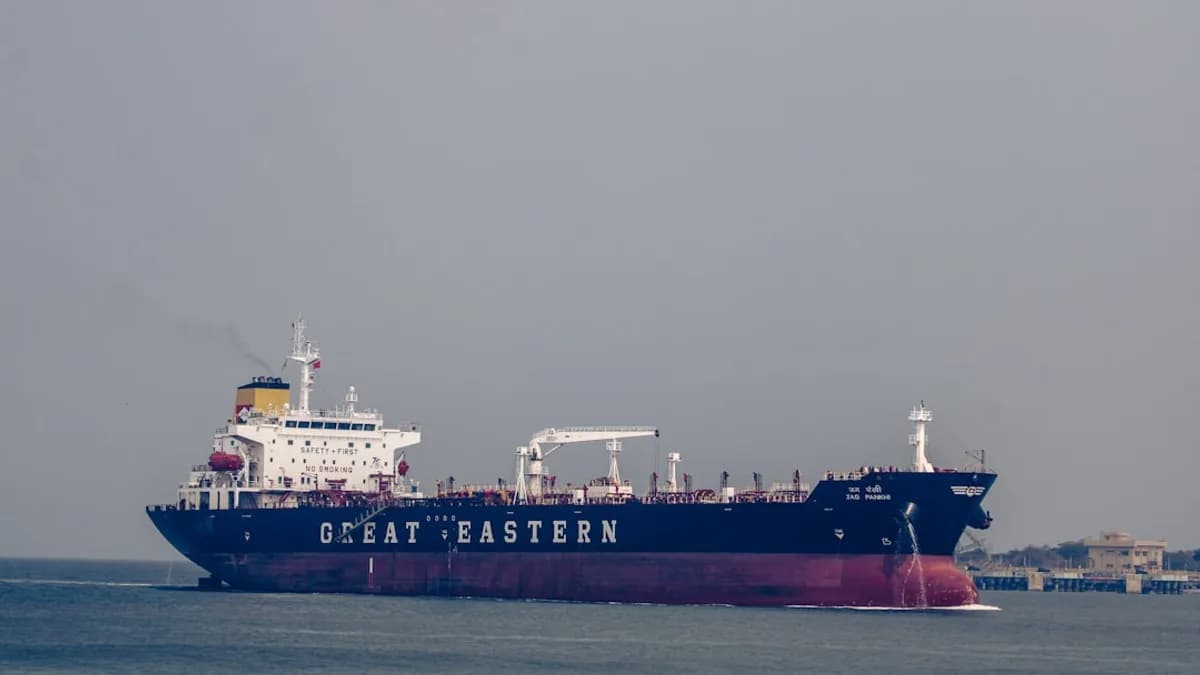
The Strait of Hormuz, a narrow waterway connecting the Persian Gulf with the Arabian Sea, is once again at the center of geopolitical turmoil. Recent escalations have transformed the region into what some analysts describe as a "combat zone," with military posturing and threats intensifying the atmosphere [Source: Source]. This chokepoint is of enormous significance: roughly one-fifth of the world’s oil supply passes through its waters, making it a linchpin for global energy security and trade. A standoff in the strait sends ripples through financial markets, commodity exchanges, and supply chains worldwide. As tensions mount, traders and investors are bracing for renewed volatility, with immediate effects already visible in global asset prices and investor sentiment.
Market Reactions to the Hormuz Standoff
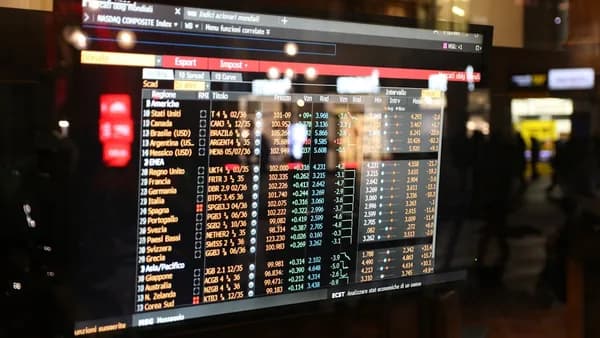
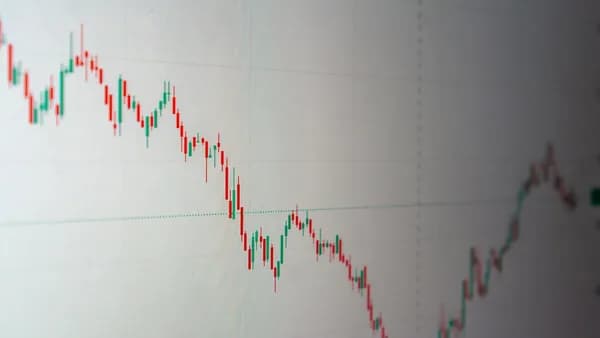
Financial markets have responded swiftly to the unfolding crisis in the Strait of Hormuz. Major currency pairs like EUR/USD and GBP/USD have exhibited heightened volatility, reflecting investor concern over potential disruptions to global trade and energy flows [Source: Source]. The possibility of the strait being shut again has left traders anxiously awaiting diplomatic developments and searching for clues about the next pivot in peace negotiations.
Stock markets around the world have shuddered, with indices dipping amid fears of a prolonged conflict. Risk assets have been hit particularly hard, as uncertainty over the standoff dampens investor confidence and prompts a flight to safety. Bond yields in safe-haven markets such as the US and Germany have edged lower, while emerging markets—often reliant on energy imports or exports—have seen increased selling pressure.
The commodity markets have felt the brunt of the turmoil. Oil prices have spiked sharply in response to the threat of supply disruptions; the prospect of a "reblockade" of the strait has rattled traders, pushing Brent and West Texas Intermediate futures higher [Source: Source]. Energy-dependent sectors, such as transportation and manufacturing, are watching developments closely, anticipating potential knock-on effects on costs and supply availability. Meanwhile, gold—a traditional haven during periods of instability—has also climbed, as investors seek protection from geopolitical risk.
Geopolitical Developments and Statements
The crisis in the Strait of Hormuz has been marked by increasingly aggressive military posturing. Reports of warships exchanging warnings—including the threat, "We're prepared to subject you to disabling fire"—underscore the seriousness of the standoff and the potential for escalation [Source: Source]. These confrontations are not merely symbolic; they highlight the risk of accidental clashes or deliberate actions that could disrupt the flow of goods and energy through the strait.
Diplomatic efforts are underway, but progress remains uncertain. One notable development is the deadline set by former US President Donald Trump for uranium negotiations with Iran, signaling a renewed push to resolve nuclear-related tensions that underpin much of the standoff [Source: Source]. The world is watching closely as negotiators strive to avoid a further deterioration in relations and avert the prospect of outright conflict.
The implications for regional stability are profound. A prolonged standoff could destabilize the broader Middle East, threaten international shipping lanes, and force governments to reconsider their foreign policy strategies. For global powers, the Hormuz situation is a test of diplomatic resolve and military restraint—one with far-reaching consequences for alliances, trade flows, and security arrangements.
Corporate and Economic Impacts Amid the Crisis
Beyond the immediate market reactions, the Hormuz standoff is reverberating through corporate boardrooms and supply chains. Semiconductor giant SK hynix is among the companies in focus, with earnings reports highlighting concerns about potential disruptions to critical materials and shipping routes [Source: Source]. The tech sector, which depends on stable logistics and access to rare minerals, is particularly sensitive to geopolitical shocks in transit hubs like Hormuz.
Broader economic consequences are emerging for trade-dependent industries. Manufacturing, automotive, and energy firms are reassessing their risk exposure, as uncertainty over shipping routes and input costs weighs on planning. Emerging markets, many of which rely on oil imports or exports, face heightened volatility and renewed pressure on their currencies. The ripple effects extend to logistics firms, insurers, and even consumer goods companies as delays and cost increases trickle down the supply chain.
In the face of ongoing uncertainty, companies and traders are preparing for multiple scenarios. Some are building up inventory, diversifying suppliers, or hedging against further oil price spikes. Financial market participants are adjusting portfolios, seeking safe havens, and monitoring headlines for clues about the trajectory of the crisis. The need for flexibility and resilience is clear, as the standoff threatens to reshape global commerce and investment patterns.
Looking Ahead: Possible Scenarios and Market Outlook
The future of the Hormuz standoff remains highly uncertain, with several scenarios possible. Escalation—whether through military action or a prolonged blockade—could send oil prices even higher and trigger deeper market selloffs. Diplomatic resolution, on the other hand, might restore stability and allow for a rebound in risk assets. The outcome will hinge on the effectiveness of negotiations, the willingness of regional actors to de-escalate, and the ability of global powers to mediate.
In the short term, traders should expect continued volatility. Currency pairs, equities, and commodities will remain sensitive to incoming news and official statements. For investors, strategies such as diversification, risk management, and tactical allocation to safe-haven assets may help navigate the uncertainty. In the medium term, the crisis is likely to prompt structural changes in supply chains and risk assessments, with companies and markets adapting to a new geopolitical reality.
Conclusion: Navigating Uncertainty in a Volatile Environment
The renewed standoff in the Strait of Hormuz has brought geopolitical risk back to the forefront for traders, investors, and corporations. The region’s importance as a global trade and energy hub means that any disruption reverberates across markets and industries [Source: Source]. As events unfold, monitoring developments and maintaining adaptability are essential for navigating this volatile environment. While the outcome remains uncertain, the resilience of financial markets and the ingenuity of global commerce will be tested once again. In the meantime, vigilance, risk awareness, and a keen eye on diplomatic moves will be crucial for those seeking to weather the storm and capitalize on opportunities amid the turmoil.
⚠️ Disclaimer: This article is for informational purposes only and does not constitute financial advice. Always do your own research before making investment decisions.