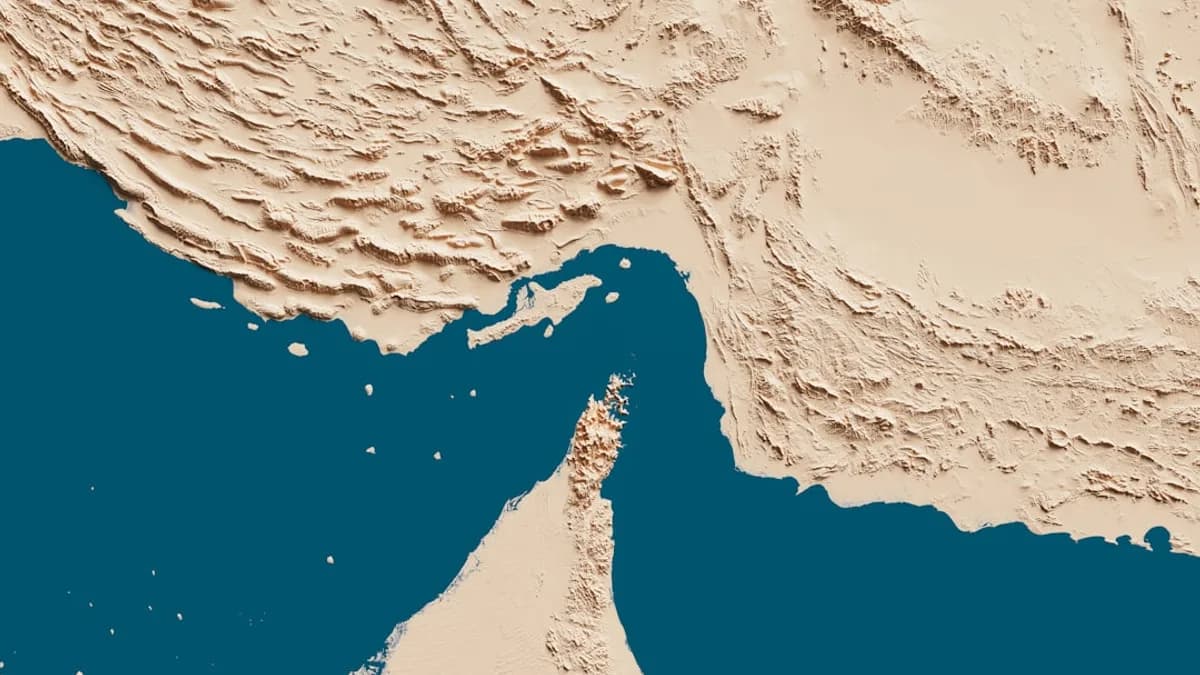
U.S. Stock Futures Climb as Oil Prices Rise on Hormuz Strait Unblocking Plan
U.S. stock futures jumped premarket and oil prices climbed after officials announced a multinational plan to clear the Strait of Hormuz, the world’s busiest oil artery, following months of disruption. S&P 500 futures rose 0.6% and Dow Jones contracts gained 0.5%, while Brent crude surged 2.1% to trade above $85 a barrel before the opening bell, according to Yahoo Finance.
The plan, unveiled late Sunday, involves coordinated naval escorts and mine-clearing missions led by the U.S., U.K., and several Gulf states. The announcement landed after weeks of escalating attacks on commercial vessels, which had pushed shipping insurance and crude prices higher since late May.
Saudi Arabia, the UAE, and the U.S. Central Command are leading negotiations with Iran and key regional factions to guarantee safe passage. Markets reacted instantly: oil traders priced in the prospect of smoother supply routes, while equity investors shrugged off last week’s global risk-off mood.
Market and Geopolitical Implications of Reopening the Strait of Hormuz
Nearly a third of all seaborne oil passes through the Strait of Hormuz—about 21 million barrels per day, according to the International Energy Agency. Any blockage sends energy markets into a tailspin. When Iranian-backed groups targeted tankers in 2019, Brent crude spiked nearly 20% in days; this year, persistent disruptions had already tacked on a $7–10 geopolitical premium per barrel.
Announcing a credible plan to restore safe transit doesn’t just ease supply fears—it cools global inflation expectations. Energy costs bleed into everything from airline tickets to food logistics. Investors had braced for a summer of volatility: the VIX had hovered near 15, but options on oil ETPs spiked as traders scrambled for downside hedges. The unblocking plan triggered a reversal. Futures on energy stocks like ExxonMobil and Chevron rallied over 1%, and European majors BP and Shell saw gains in premarket trade.
Geopolitically, the coordinated move signals a rare alignment among U.S. allies and Gulf producers, who often clash over regional policies. China, a top oil importer, publicly welcomed the plan, while India called for swift implementation. Iran’s guarded response—promising “constructive engagement” but warning against “foreign interference”—keeps risk on the table, but the tone marked a step back from earlier threats to close the waterway.
Shipping insurers responded immediately: Lloyd’s of London signaled it would review risk surcharges, which had ballooned by 30% since May. That should lower costs for oil exporters and importers, freeing up liquidity for other sectors and improving corporate margins. For investors, the prospect of fewer supply shocks and less headline risk in the Middle East means more stable forward guidance from energy-heavy S&P sectors.
Next Steps: Monitoring Market Movements and Regional Stability Post-Unblocking
Officials say mine-clearing and escort operations will begin within 72 hours, but full restoration of commercial traffic could take weeks. The biggest risk: asymmetric attacks or sabotage by non-state groups determined to undermine the plan. Investors should watch for any sudden spikes in tanker insurance rates or reports of renewed harassment in the Gulf.
Key market indicators to track in coming days: the Brent-WTI spread (which had widened to $6 during the crisis), shipping rates for Very Large Crude Carriers (VLCCs), and energy sector ETF flows. A durable narrowing of spreads and declining insurance costs would signal market faith in the unblocking effort.
Longer term, the crisis has exposed how fragile global energy flows remain—even with strategic reserves at multi-year highs and U.S. shale output robust. Corporates with heavy energy exposure may accelerate hedging strategies, while central banks in oil-importing economies could get breathing room if prices stabilize.
Geopolitical watchers are focused on whether this temporary alignment holds or fractures under pressure. Any sign of renewed hostilities or diplomatic breakdowns would send oil—and volatility—right back up. For now, the Strait of Hormuz remains the world’s most crucial choke point, and its status will dictate the tone of energy and equity markets for months to come.
⚠️ Disclaimer: This article is for informational purposes only and does not constitute financial advice. Always do your own research before making investment decisions.
The Bottom Line
- Restoring safe passage through the Strait of Hormuz stabilizes energy markets and reduces supply risks.
- A rise in oil prices and stock futures shows investors' optimism about improved shipping and lower geopolitical tensions.
- Easing the disruption lowers inflation pressures, affecting costs from transportation to consumer goods worldwide.