A small studio that wants to print a T-shirt, customize a mug, decorate wood, and make UV-DTF decals usually has to think in separate machines, separate inks, and separate workflows. xTool’s O1 Omni Printer is pitched as the counterargument: one desktop system for rigid materials, fabric, transfers, and special effects.
The printer has launched for preorder and is expected to start shipping in August 2026, according to Notebookcheck. xTool is taking a refundable $50 (€50) deposit, with preorder gifts worth up to $459 (€455). The company is selling three variants: Single UV Edition from $1,699 (€1,549), Dual UV Edition from $2,699 (€2,499), and UV + DT Fabric Edition from $2,799 (€2,549).
That positioning matters because xTool is better known for laser engravers. The O1 Omni Printer pushes the company into full-color, multi-material printing — a neighboring but different problem. As with other niche hardware bets we have covered, from Dasung Link 2’s E Ink iPhone accessory to limited-run watch launches like Citizen’s titanium Zenshin play, the question is not whether the product sounds clever. It is whether the use case is specific enough to justify the hardware.
Why makers care when one printer can handle shirts, signs, mugs, and decals
The most direct appeal of the xTool O1 Omni Printer is consolidation. xTool says the machine can work across acrylic, wood, glass, metal, apparel, and more, depending on configuration. Notebookcheck lists example outputs including T-shirts, magnets, signage, and wall art.
For a DIY creator, that means fewer hard stops between idea and finished object. For a small seller, it means testing more product categories before committing to outside production. A design can move from apparel to packaging to a rigid promotional item without rebuilding the entire workflow around another machine.
That does not make the O1 an automatic replacement for dedicated production equipment. Analysis: its strongest pitch is flexibility, not necessarily maximum throughput. The buyer who benefits most is likely someone who values variety: custom gifts, small-batch merch, local signage, decor, branded packaging, or personalized accessories.
xTool also highlights water-resistant UV-DTF transfers for curved or irregular items such as shoes, plus a rotary attachment for mugs and similar items. That distinction matters. Rotary support is an accessory capability, not one of the core “4-in-1” workflows. The practical 4-in-1 pitch is closer to UV printing, fabric printing, DTG, DTF, and UV-DTF-style transfer work, depending on the model and setup.
What “4-in-1” means on the xTool O1 Omni Printer
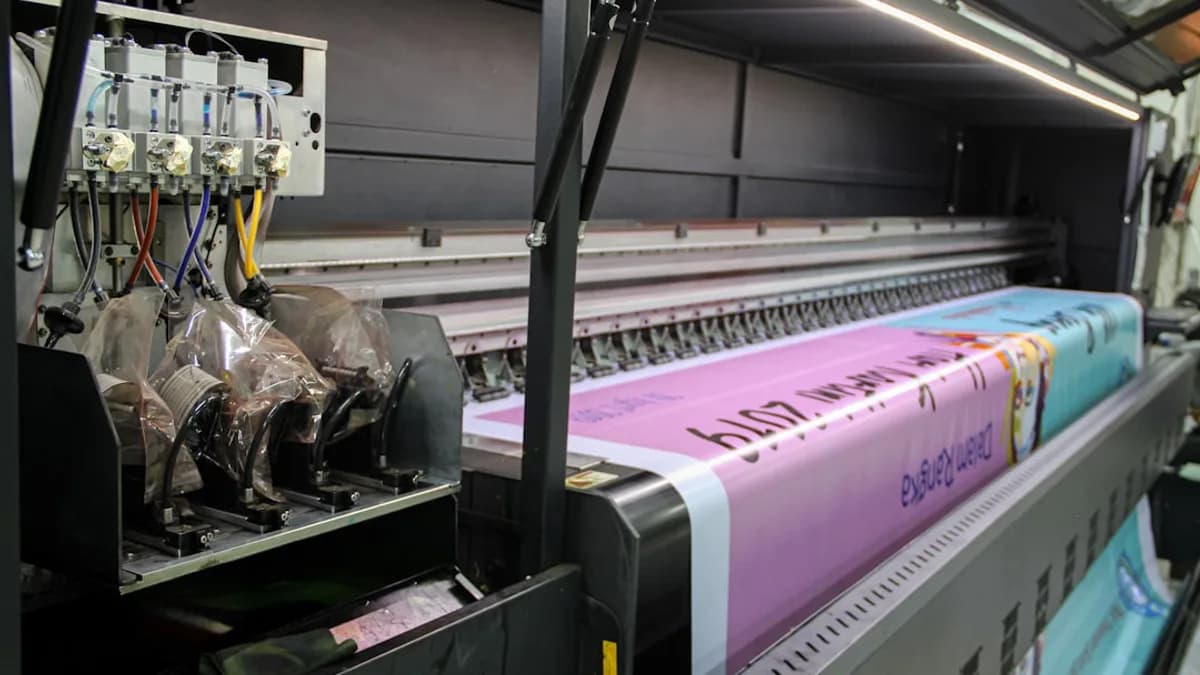
The O1 Omni Printer is not a paper printer with a wider material list. It is a multi-process printer built around different output surfaces and print methods.
xTool’s own product page describes the machine as “The World’s First 4-in-1 Omni Printer” and uses the line:
“From Rigid to Fabric. Print It All.”
The core idea is simple: rigid substrates and textiles behave differently, so one printhead or ink approach is not enough for every job. The O1 addresses that with dual dedicated printheads for UV and fabric printing in the relevant configurations, according to xTool’s product material.
The three versions make the buying decision more consequential:
| Variant | Starting price | Main positioning |
|---|---|---|
| Single UV Edition | $1,699 (€1,549) | UV printing on hard materials |
| Dual UV Edition | $2,699 (€2,499) | Expanded UV capability with two UV-focused printheads |
| UV + DT Fabric Edition | $2,799 (€2,549) | UV plus fabric printing workflows |
Notebookcheck says the O1 is competing with devices such as the EufyMake E1, listed at $2,499 or €2,499 at Eufy. That comparison gives a useful pricing marker, but it does not answer the key buyer question: which materials do you actually need to print on every week?
Why fabric printing is harder than flat-surface printing
Printing on fabric is not just printing on a softer sheet. Fabric introduces texture, absorbency, stretch, weave, and wash durability. A design that looks sharp on glass or acrylic can behave very differently on cotton or apparel.
That is why xTool separates UV and fabric workflows rather than pretending one method covers everything equally. The company says the O1 can print directly on cotton with DTG or transfer designs with DTF, using OEKO-TEX® certified ink that it says helps apparel stay soft, colorful, and wash-ready for 50+ washes.
For hard goods, xTool highlights UV printing and UV-DTF decals. UV-DTF transfers are useful when the object shape makes direct printing awkward — for example, a curved or irregular surface. The decal becomes the bridge between a flat print process and an object that is not flat.
Alignment is the other problem. xTool says its Pixel-Scan™ Vision System combines CIS imaging with full-area laser sensing to capture 1:1 object data without camera distortion. In practical terms, the machine is trying to reduce the manual guesswork that usually comes with placing a design on an object that is not a standard rectangle.
What creators can actually make with the O1 Omni
The source examples are broad: T-shirts, magnets, signage, wall art, shoes, and mugs. xTool also points to effects such as lenticular motion, fluorescent glow, premium foiling, and 3D texture up to 7 mm (0.28 in) thick.
A small craft seller could use the O1 around one design family rather than one product. Analysis: imagine a matching bundle built from supported categories — a printed T-shirt, a branded magnet, a small signage piece, and packaging labels made through transfer or roll-fed accessory workflows. The value is not that each item is impossible elsewhere. The value is that the same design language can travel across fabric, rigid surfaces, and decals without outsourcing every component.
xTool’s accessory list expands the proposition further. The company says the roll feeder and laminator can print up to 49 ft (15 m) of UV-DTF transfers, and up to 39 ft (11.8 m) of canvas art or adhesive vinyl graphics. The rotary attachment supports printing on mugs and similar cylindrical items, with xTool saying its software can generate a 1:1 digital replica for 90% of tumblers and mugs.
That starts to look less like a single printer and more like a modular production station. The catch: accessories add complexity, and the source material does not provide a full installed cost for every possible setup.
Who should consider it — and who should pause
The best-fit buyer is probably not a high-volume apparel factory. It is the creator or small operator who keeps hitting the limits of single-purpose tools.
Likely fits include:
- Hobbyists: Upgrading from basic craft tools into multi-material output.
- Small studios: Testing products across apparel, decor, labels, and gifts.
- Educators and makerspaces: Analysis: useful where one device needs to support many project types, though the source does not give institutional pricing or safety certifications beyond the product claims supplied.
- Event merch creators: Analysis: a fit when customization variety matters more than industrial-scale output.
- Microbusinesses: Sellers that want to prototype before outsourcing or scaling.
The pause list is just as important. If the job is primarily high-volume garment production, industrial textile work, or a narrow specialized material, a dedicated machine may still make more sense. The O1’s pitch is breadth. Breadth can come with trade-offs in workflow learning, consumables, maintenance, and accessory planning.
Maintenance is one area xTool clearly wants to preempt. Its product page describes Smart Cycle 2.0, White Ink Stirring, Active Circulation, Vacation Mode, and an industrial ceramic heating module intended to reduce clogging, settling, and cold-studio ink-flow issues. Those claims are relevant because multi-ink, multi-material systems can become frustrating if the machine spends too much time being maintained instead of printing.
The practical decision before preorder money leaves your account
The $50 refundable deposit lowers the psychological barrier, but the real decision sits in the configuration. A buyer focused on wood, glass, metal, acrylic, and signage may not need the same model as someone planning apparel and fabric transfers. The UV + DT Fabric Edition is the one that lines up most directly with the headline “prints on fabrics” promise.
Before ordering, the watch items are concrete:
- Model fit: Match the edition to actual materials, not aspirational projects.
- Accessory cost: Rotary, roll-fed, laminator, and garment add-ons can change the total setup.
- Workflow proof: Look for finished examples on the exact materials you plan to sell.
- Maintenance reality: Smart Cycle 2.0 and Vacation Mode sound useful, but buyers should wait for long-run user evidence.
- Shipping timing: Notebookcheck reports expected shipping in August 2026, so preorder buyers are not buying an immediate tool.
The O1 Omni Printer’s appeal is clear: one machine that stretches from rigid products to fabric work, with effects that go beyond flat color. The risk is equally clear. Multi-material hardware only pays off if the buyer uses the range. Otherwise, the most versatile machine in the room can become the most expensive way to do one job.
Key Takeaways
- The O1 Omni Printer could reduce the need for multiple machines by handling rigid materials, fabrics, transfers, and decals.
- Its preorder pricing starts at $1,699, making it a serious but potentially consolidating investment for makers and small studios.
- The launch moves xTool beyond laser engravers into full-color, multi-material printing.