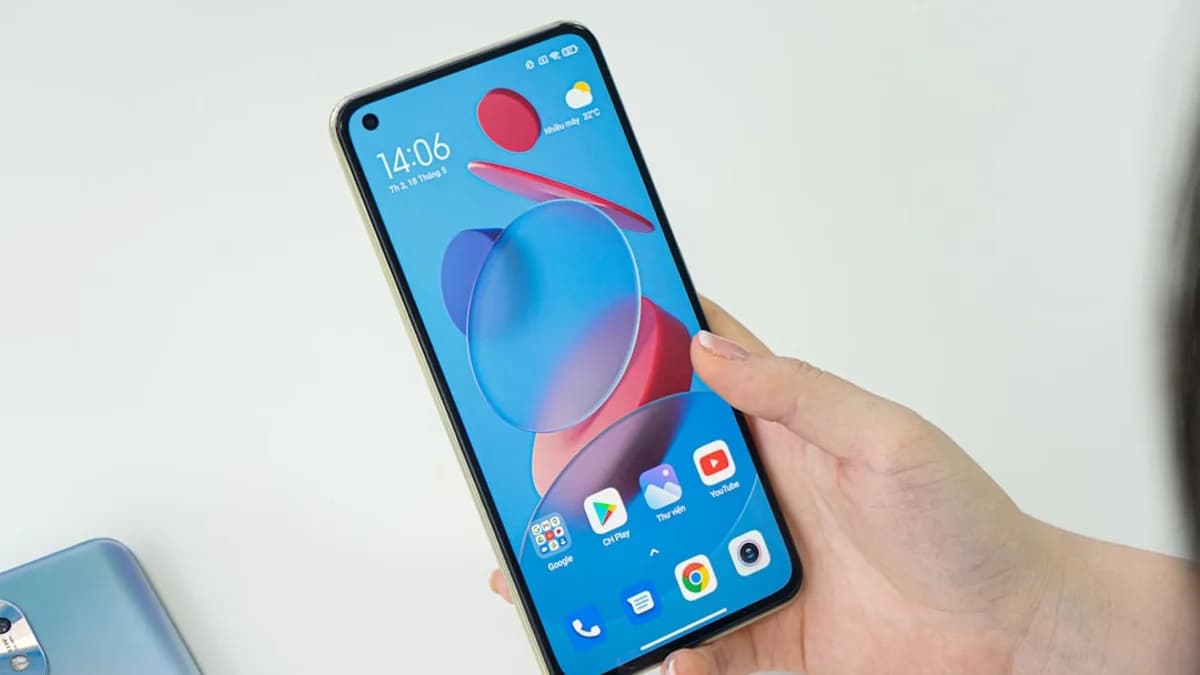
Is Xiaomi adding AirDrop support because file sharing is finally becoming a cross-platform feature — or because Android can no longer afford to let Apple own one of the phone’s most visible daily conveniences?
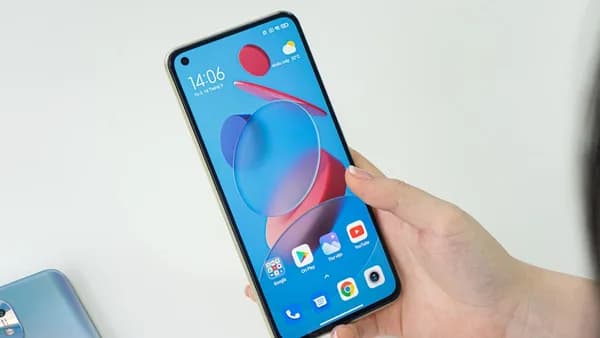
Xiaomi announced on June 1, 2026 that Quick Share now supports AirDrop interoperability on select devices, starting with the Xiaomi 17T Pro, according to Notebookcheck. That puts Xiaomi behind Google Pixel and Samsung Galaxy phones, which received similar support earlier in the year.
The headline sounds small. It is not. Local file sharing is one of those features users only notice when it fails. AirDrop made iPhone-to-iPhone transfers feel instant and social. Android had alternatives, but they were split across apps, brands, and workarounds. Xiaomi joining the Quick Share-to-AirDrop push suggests Android vendors are trying to turn a long-running weakness into a shared standard.
“AirDrop is now available on Quick Share. Fast, seamless sharing of photos and files to Apple devices.”
— Xiaomi HyperOS, via X, quoted by 9to5Google
Can Xiaomi make iPhone sharing feel native on Android?
For supported Xiaomi users, the basic promise is direct: use Android’s Quick Share to send files to Apple devices through AirDrop-style compatibility.
The first named device is the Xiaomi 17T Pro. 9to5Google reports the feature is tied to HyperOS3, Xiaomi’s Android-based software, and notes that other devices may follow, though hardware-level restrictions could limit availability. Notebookcheck also frames the rollout as selective for now, with flagship models likely to be first in line.
The experience still has one important constraint. The iPhone user must set AirDrop visibility to “everyone for 10 minutes”, according to 9to5Google. That means this is not identical to iPhone-to-iPhone AirDrop, where contacts-based discovery is deeply embedded into Apple’s own stack. It is interoperability, not platform merger.
That distinction matters. Users may see a simple share sheet, but the two sides still come from different architectures: Quick Share on Android and AirDrop on iOS. The success of Xiaomi’s implementation will depend on the boring details: discovery reliability, transfer speed, privacy prompts, file-size behavior, and whether the handoff feels consistent enough that people trust it for photos, documents, and work files.
MLXIO analysis: if users have to explain settings every time, this stays a niche trick. If it works cleanly in mixed-device rooms, it becomes part of how people judge premium Android software.
Is this a Xiaomi feature, or part of Google’s wider Android strategy?
Xiaomi is not moving alone. Notebookcheck says Google Pixel 10 phones gained AirDrop access earlier in the year, followed by the Samsung Galaxy S26 series. Google also teased that more Android brands would bring AirDrop support to Quick Share.
That sequence matters more than any single Xiaomi device. Android’s historical problem with local sharing was fragmentation. Apple had one default experience. Android had multiple paths: third-party apps, brand-specific tools, and Google’s own sharing systems. Quick Share is now being positioned as the common layer that can cross both Android brands and, selectively, iOS.
The strongest source-backed reading is this: Google is trying to reduce the friction of living in a mixed Android-iPhone world. Notebookcheck also points to Android 17 adding a more complete data transfer system for iPhone-to-Android switching, at least “on paper.” That places Quick Share’s AirDrop compatibility inside a broader effort to make Android feel less isolated next to iOS.
This also explains why Samsung and Xiaomi matter. Pixel can prove the feature. Samsung and Xiaomi can normalize it across far more Android hardware categories, at least if the rollout extends beyond a few flagship phones.
For adjacent context on how premium Android competition is increasingly fought through specific feature advantages rather than raw specs alone, see MLXIO’s coverage of the Pixel 10 Pro deal as Google chases buyers and Xiaomi’s broader connected-device push in $900 Xiaomi Mijia Ultra 3HP Bets on Smarter Cooling.
Which phones actually benefit first?
The confirmed Xiaomi case is narrow: Xiaomi 17T Pro.
That is the key limitation. Notebookcheck says more phones can be expected in the coming weeks, likely flagship models, and new models may support it out of the box. 9to5Google adds that hardware-level restrictions could prevent some devices from receiving the update.
Other Android brands are already in the frame. Notebookcheck names Honor and OnePlus as expected future participants. 9to5Google also says the workaround has reached Samsung and Google devices, while the Oppo Find X9 Ultra and Vivo X300 Ultra have recently added support.
A quick map of the rollout described in the supplied reporting:
| Brand | Status described in sources | Named devices |
|---|---|---|
| Already received support earlier in the year | Pixel 10 series | |
| Samsung | Already received support earlier in the year | Galaxy S26 series |
| Xiaomi | Announced support on June 1, 2026 | Xiaomi 17T Pro |
| Oppo / Vivo | Reported by 9to5Google as recently added | Oppo Find X9 Ultra, Vivo X300 Ultra |
| Honor / OnePlus | Expected by Notebookcheck | Not specified by Notebookcheck |
There is no supplied market-share data, so the opportunity cannot be quantified responsibly here. But the network logic is clear. The more Android brands support AirDrop-style transfers through Quick Share, the less AirDrop remains an iPhone-only social advantage.
Does this weaken Apple’s lock-in, or just create a controlled bridge?
This is the harder question. AirDrop has long helped make iPhones feel better in rooms full of other iPhones. Notebookcheck explicitly describes it as a differentiating feature between Android and iPhones, especially for quick sharing of files, photos, and contacts.
Xiaomi’s update chips away at that difference. It does not erase it.
Apple still controls AirDrop on iOS. The required “everyone for 10 minutes” setting shows the boundary. Android phones can participate, but only through a path that depends on Apple device visibility and Google’s Quick Share implementation.
MLXIO analysis: this is selective interoperability. It helps users without forcing either platform to become fully open. Google gets to make Android feel less compromised around iPhones. Xiaomi and Samsung get a feature parity story. Apple keeps its own AirDrop behavior intact for iPhone users.
For buyers, the practical impact is simpler. A Xiaomi flagship that can send photos or files to nearby iPhones without messaging-app compression or cloud-link friction becomes easier to use in mixed-device settings. That does not mean people will switch phones because of one feature. The sources do not support that claim. But it removes one small, persistent annoyance.
When does AirDrop compatibility stop being a novelty?
The next test is rollout breadth.
If AirDrop over Quick Share stays limited to a few flagship phones, it remains a premium Android perk. If Xiaomi expands it across more HyperOS3 devices, and Honor, OnePlus, Oppo, Vivo, Samsung, and Google keep moving in the same direction, users may start expecting cross-platform local sharing as a default phone feature.
The evidence to watch is specific:
- Device lists: Which Xiaomi models beyond the 17T Pro get support?
- Software requirements: Does this remain tied to HyperOS3 and newer Android builds?
- Hardware limits: Which chipsets or wireless configurations are excluded?
- iPhone flow: Does the “everyone for 10 minutes” requirement remain the only workable discovery path?
- Reliability: Do transfers work well enough that users stop reaching for messaging apps or cloud links?
Xiaomi’s move does not end ecosystem lock-in. It does something more immediate: it attacks one of the most visible moments when lock-in shows up in daily life. If the rollout proves stable, AirDrop compatibility may shift from headline feature to baseline expectation for serious Android flagships.
Key Takeaways
- Xiaomi’s move makes cross-platform file sharing more practical for Android users who regularly interact with iPhone owners.
- The rollout signals Android brands are trying to close one of Apple’s most visible ecosystem advantages.
- Support is still limited because availability depends on select Xiaomi devices and iPhone AirDrop visibility settings.