Why Voice Interaction Is Set to Transform Modern Workspaces
Picture the modern office: a steady hum of keystrokes, the low thrum of HVAC, and—if the question posed by TechCrunch is any guide—a future where the dominant sound could be the quiet murmur of employees talking to their computers. The integration of voice-activated tools is no longer sci-fi. Conversational interfaces are becoming a core part of how people interact with technology at work.
This shift isn’t just about convenience. Speaking to a computer can free up hands, speed up basic tasks, and make multitasking more seamless. The rise of digital assistants and voice-powered workflows signals a change: screens aren’t the only gateway to productivity. As spoken commands become more common, especially with improvements in accuracy and context awareness, the workplace itself could evolve to support a new kind of collaboration—one built as much around conversation with machines as with people.
How Whisper Mode and Voice Recognition Technologies Enable Discreet Office Communication
‘Whisper mode’ is the term for speaking softly to a device so it responds without disturbing those nearby. In a world where voice becomes a primary way to interact with computers, the need for discreet, quiet communication is obvious—especially in shared workspaces. This isn’t just about privacy, but about making voice commands practical in environments where silence is golden.
The main technical hurdle is clear: recognizing speech accurately when it’s spoken at a low volume, often surrounded by background noise. According to the scenario raised by TechCrunch, breakthroughs in voice recognition and noise filtering are making whispered interactions feasible. As these systems improve, the gap between private, effective voice control and the risk of accidental eavesdropping narrows.
What’s still uncertain is how well current voice recognition systems will perform at scale in real-world offices, where dozens of people may be whispering commands simultaneously. The balance between sensitivity (to catch quiet speech) and privacy (to avoid picking up unintended voices) remains an open question.
What Changes to Office Design Will Support Voice-Driven Work Environments?
If talking to your computer becomes the norm, the physical workspace will need to adapt. TechCrunch prompts the question: can traditional open-plan offices support a future filled with frequent, low-volume voice interactions? The answer is uncertain, but some implications are obvious.
We can infer that spaces designed for voice-driven work may favor smaller, private nooks or pods where whispered commands are less likely to be overheard. The trend could also reduce the need for certain types of meeting rooms, as impromptu voice collaborations become more common. Acoustic treatments—materials and layouts that absorb sound—might become a higher priority, especially in open offices, to prevent a cacophony of overlapping commands.
What remains unclear is exactly how far these architectural shifts will go, and which new etiquette norms will emerge to keep voice-powered offices both productive and comfortable.
How Will Employees and Employers Benefit from Voice-First Work Setups?
The promise of voice-first work setups is increased productivity. Hands-free task management means employees can dictate emails, set reminders, or pull up documents while working on other tasks. This could shrink the time spent navigating menus or switching between apps. For some, especially those with disabilities or those who find typing uncomfortable, voice-first systems can open new paths to workplace participation.
But there are complications. Privacy remains a concern: the more employees speak commands, the greater the risk that sensitive information could be overheard or misinterpreted by software. New etiquette will be required to balance convenience with respect for colleagues’ focus. The transition could also introduce friction for employees who are less comfortable with voice technology or who worry about being monitored.
While the potential for streamlined workflows is real, the path to universal adoption is likely to be uneven.
What Does a Day in the Life Look Like in a Whisper-Filled Office? A Practical Example
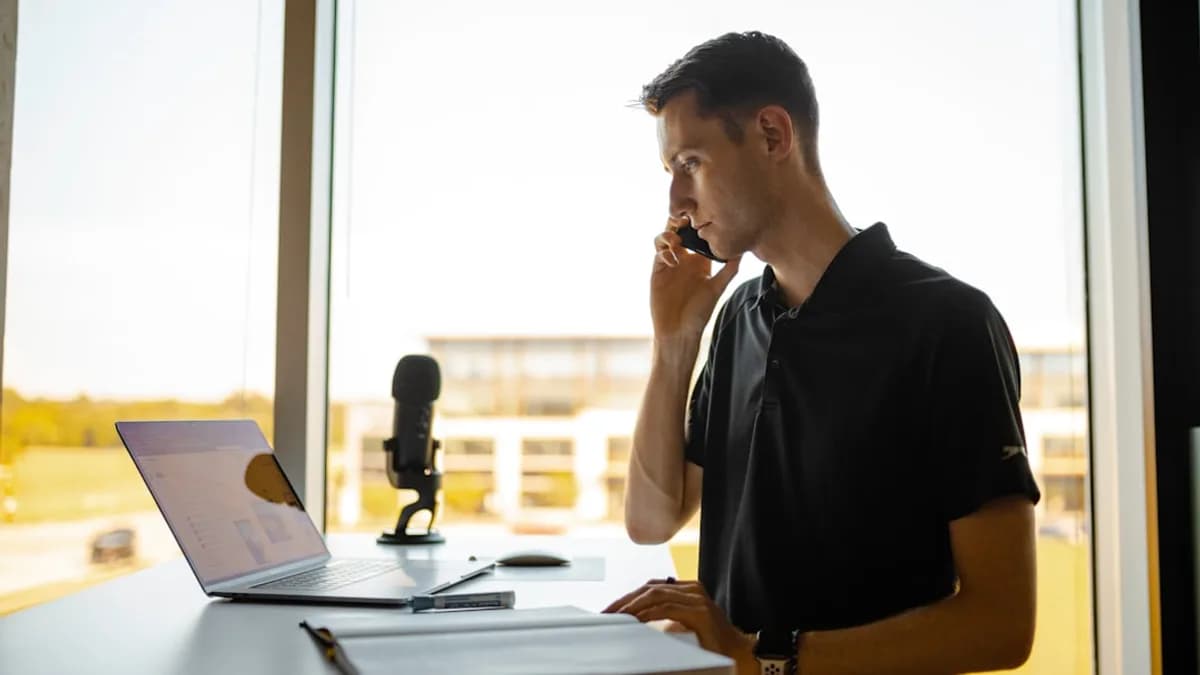
Imagine an analyst at her desk, managing a full slate of meetings, emails, and project updates—not with a mouse, but with a whisper. She quietly asks her AI assistant to summarize the morning’s briefing, schedules a last-minute check-in with her manager, and dictates a follow-up email—all without ever raising her voice or looking away from her main task.
Throughout the day, she uses whispered commands to pull up files, set reminders, and check in on team progress. The result: less screen fatigue and a workflow that feels more conversational and responsive. Collaboration is faster, as questions and requests are handled with a word instead of a flurry of clicks or taps.
This scenario is speculative, but it highlights where a voice-driven office could head if the technology and office design catch up with the vision TechCrunch sketches.
What We Know, Why It Matters, and What Remains Unclear
Right now, the only certainty is that the prospect of a whisper-filled workplace is on the radar for both technologists and office designers. The advantages—speed, accessibility, and a new kind of multitasking—are clear. What’s less certain is how the technology will mature, how privacy and etiquette will keep pace, and whether workers will embrace the shift or push back.
The source offers more questions than answers, and the direction of this trend will depend on advances in both hardware and social norms.
What to Watch Next
Keep an eye on the intersection of office architecture and voice technology rollouts. If adoption accelerates, expect a wave of experiments: new layouts, etiquette guides, and technical tweaks to make whisper interactions both effective and unobtrusive. The office of the future could sound very different—a place where the loudest signal of productivity is a quiet voice, barely above a whisper.
Why It Matters
- Voice interaction technologies are changing how people work, making workflows faster and more hands-free.
- Improvements in whisper mode and voice recognition could make discreet communication possible in open offices.
- These advances may reshape office culture, balancing privacy with productivity as conversational interfaces become mainstream.