


Introduction to WhatsApp Plus: Meta's New Premium Subscription
Meta is about to shake up the messaging landscape with the imminent launch of WhatsApp Plus, a paid subscription tier set to bring new features—and a fresh revenue stream—to the world’s most popular messaging app. Priced at roughly EUR 2.49 per month, WhatsApp Plus signals a pivotal shift in Meta’s strategy: moving beyond advertising and data monetization to tap directly into user wallets across its platforms. This follows closely on the heels of Instagram Plus, indicating a coordinated push to offer premium experiences within Meta’s social ecosystem. While the initial rollout targets select users in limited regions, the global implications are hard to ignore. Meta is betting that even in a world awash with free communication tools, a significant slice of WhatsApp’s billions-strong user base will pay for customization and exclusive perks [Source: Source].
Key Features of WhatsApp Plus Subscription: What Users Can Expect
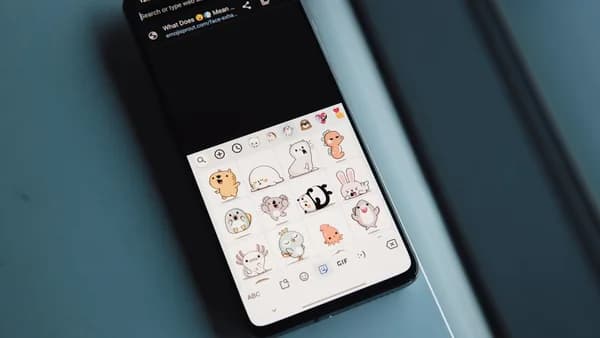
WhatsApp Plus isn’t reinventing the messaging wheel, but it’s giving it a noticeable polish. Subscribers will unlock a suite of cosmetic enhancements, starting with exclusive stickers—digital expressions that have become a core part of online conversation. In addition to stickers, WhatsApp Plus promises new customization options. While Meta hasn’t detailed every feature, expect profile badges, unique chat backgrounds, and perhaps even advanced emoji packs. These upgrades are designed to let users personalize their presence and stand out in their conversations.
Notably, the enhancements are mostly aesthetic. Unlike some premium app tiers that promise functional boosts—like higher storage, encrypted backups, or advanced admin tools—WhatsApp Plus appears to be about status and self-expression rather than utility. This contrasts sharply with productivity-focused messengers such as Slack or Telegram, where paid tiers often unlock core features for power users or businesses. In WhatsApp’s case, the standard (and still free) version will retain all core communication features: messaging, voice and video calls, groups, and media sharing. This protects the platform’s accessibility, ensuring no one is left behind for not paying, but it also means subscribers are paying for flair, not function.
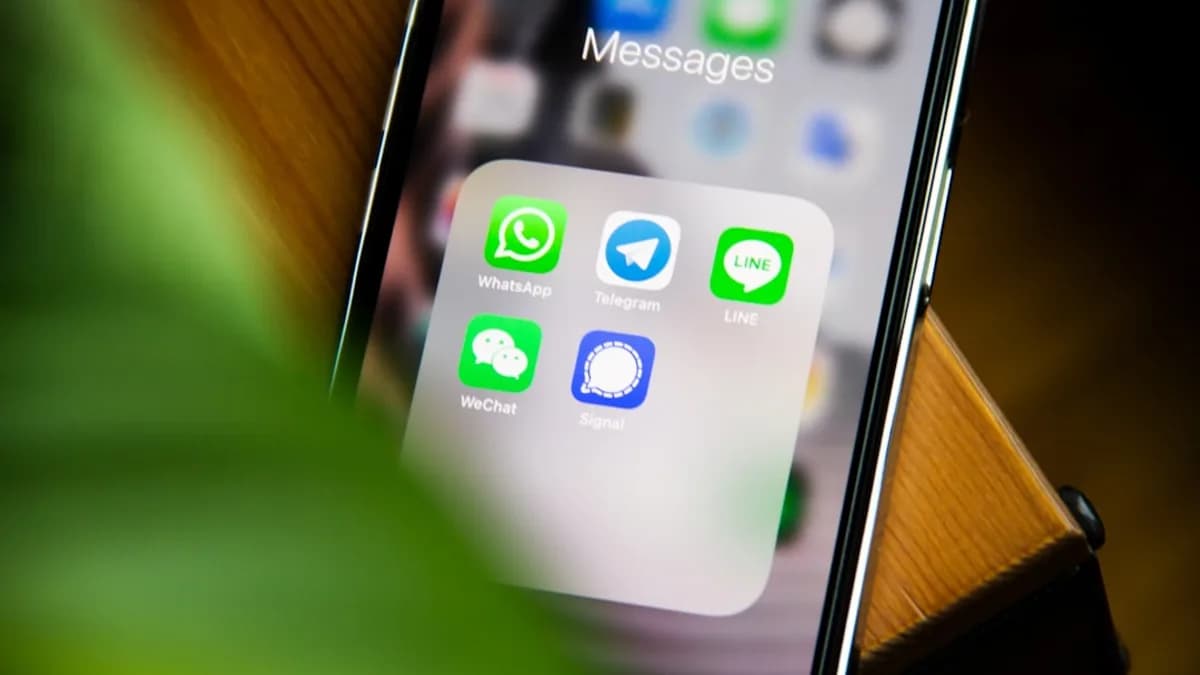
That said, cosmetic upgrades have proven lucrative elsewhere. Messaging apps in Asia, such as LINE and WeChat, generate billions annually from users purchasing stickers, themes, and digital gifts. Meta’s move suggests it’s eyeing a similar revenue model—one that turns everyday chats into opportunities for microtransactions and digital self-expression [Source: Source]. The question is whether Western audiences, accustomed to free and feature-rich apps, will embrace this approach.
Pricing and Availability: How Much WhatsApp Plus Will Cost and Where It Will Launch
WhatsApp Plus is entering the market at a relatively modest price point of EUR 2.49 per month—positioned to be affordable enough for mass adoption, but premium enough to signal exclusivity [Source: Source]. In dollar terms, that’s roughly $2.70 per month at current exchange rates, putting it in line with other app-based subscriptions targeting “super-users.”
For now, the subscription is in testing, available only to a subset of users in select regions, likely in Europe where Meta has historically piloted new WhatsApp features. While the company has not disclosed the full slate of test markets, this phased rollout allows Meta to gauge demand, fine-tune the feature set, and address any backlash before a global launch.
If history is any guide—Meta rolled out WhatsApp Business features and WhatsApp Pay in a similar fashion—WhatsApp Plus could see a broader release within months, possibly targeting high-value markets first. Watch for expansion announcements aimed at regions with strong digital spending habits and high WhatsApp penetration, such as Western Europe, Latin America, and parts of Asia.
Meta's Cross-App Premium Strategy: Linking WhatsApp Plus with Instagram Plus
WhatsApp Plus is not a standalone experiment. It’s the latest move in Meta’s growing campaign to monetize its vast user base through optional, cross-app premium subscriptions. Earlier this year, Meta introduced Instagram Plus, a tier that similarly offers exclusive features, badges, and enhanced customization for a monthly fee. The parallel rollout of these subscriptions shows a deliberate shift away from Meta’s traditional reliance on advertising—a model increasingly threatened by privacy regulations and shifting user attitudes.
Both WhatsApp Plus and Instagram Plus share a focus on cosmetic upgrades over core functionality. They cater to users who crave status, individuality, and a sense of belonging within digital communities. Yet, there are subtle differences. Instagram Plus leans heavily on creator tools and content visibility enhancements—appealing to influencers and superfans—while WhatsApp Plus is more about personalization in private messaging.
This strategy reflects a broader trend in social platforms: diversifying income streams and reducing reliance on third-party data collection. By selling directly to users, Meta gains more predictable and regulator-proof revenue. This shift is especially important as governments intensify scrutiny of Big Tech’s advertising practices and data use. Moreover, Meta can cross-promote subscriptions, potentially bundling services across WhatsApp, Instagram, and even Facebook for a unified premium experience—mirroring Apple One or Amazon Prime, but for social media [Source: Source].
If successful, this approach could reshape the economics of social networking, encouraging rivals like Snap, Telegram, or even TikTok to double down on paid tiers.
User and Market Reactions: Early Feedback and Potential Impact on WhatsApp's User Base
Initial reactions to WhatsApp Plus are mixed, underscoring the challenge Meta faces in monetizing a platform built on the promise of free, universal access. Some users have expressed enthusiasm for the new stickers and customization features, citing a desire to differentiate their chats and support an app they use daily. For these “super-users” and digital natives, paying a small monthly fee to stand out feels natural, especially as digital identity becomes more important.
However, skepticism runs deep, particularly regarding the subscription’s “cosmetic-only” nature. Many users—especially in price-sensitive markets—question the value proposition of paying for features that don’t enhance core functionality. There’s concern that this signals a slippery slope toward paywalled features or increased pressure to subscribe, potentially eroding WhatsApp’s grassroots appeal. Privacy advocates are also watching closely, wary that premium tiers could further segment user experiences or incentivize data collection in new ways.
For Meta, the stakes are high. WhatsApp’s user base, estimated at over two billion globally, is famously loyal but wary of change. Past attempts to monetize WhatsApp—such as the brief period when it charged a $1 annual fee—met with backlash and were quickly abandoned. Yet, the digital landscape has evolved: subscription fatigue is real, but so is the willingness to pay for personalization, as seen with Discord Nitro or Snapchat Plus.
Competitors will be watching Meta’s experiment closely. If WhatsApp Plus gains traction, it could normalize paid messaging experiences and spark a wave of premium offerings across the sector. If it flops, it will reinforce the notion that Western users expect their core communication tools to remain free—at least for now [Source: Source].
Conclusion: What WhatsApp Plus Means for the Future of Messaging Apps
The launch of WhatsApp Plus marks a significant milestone for both Meta and the broader messaging industry. By introducing a paid tier, Meta is testing whether users will pay for digital self-expression within their most essential communication tools. This move could usher in a new era where messaging apps—long seen as public utilities—become fertile ground for direct-to-consumer monetization.
As Meta refines its premium strategy, expect other platforms to experiment with their own paid features, blurring the lines between social media, messaging, and digital commerce. For users, the choice will be clear: stick with the robust free experience, or pay a little extra for the privilege of standing out.
The next year will be a crucial test. Success could change how we think about the value of messaging apps. Failure will reaffirm that, for many, the internet’s most vital services are still best when they’re free and open to all. Either way, WhatsApp Plus is a story to watch—because the way we pay for our digital lives may be about to change.