Why the Trump T1 Phone Saga Exposes Risks in Celebrity-Branded Tech Ventures
The Trump T1 Phone, hyped as an exclusive device for a politically charged market, now appears to have been a mirage. After nearly a year of pre-orders—and $100 deposits from buyers—Trump Mobile now suggests the phone may never have existed, and customers will likely never hold one in their hands. This isn't just an embarrassing misstep; it’s a case study in the volatile world of celebrity tech branding, where the promise of access and ideological alignment often trumps substance.
Celebrity-driven tech launches tap into fandom, tribal loyalty, and the illusion of exclusivity. The T1 Phone promised more than hardware: for its target audience, it was a badge of identity. Yet, the apparent vaporization of the project exposes how little oversight or due diligence exists when a famous name is slapped on a product that never materializes. As Notebookcheck reports, the company is hedging—suggesting the device was always vaporware, even after collecting deposits. The lesson: star power can spark pre-orders, but it can’t substitute for a credible product pipeline.
Crunching the Numbers: Pre-Orders, Deposits, and Financial Stakes in the Trump T1 Phone Debacle
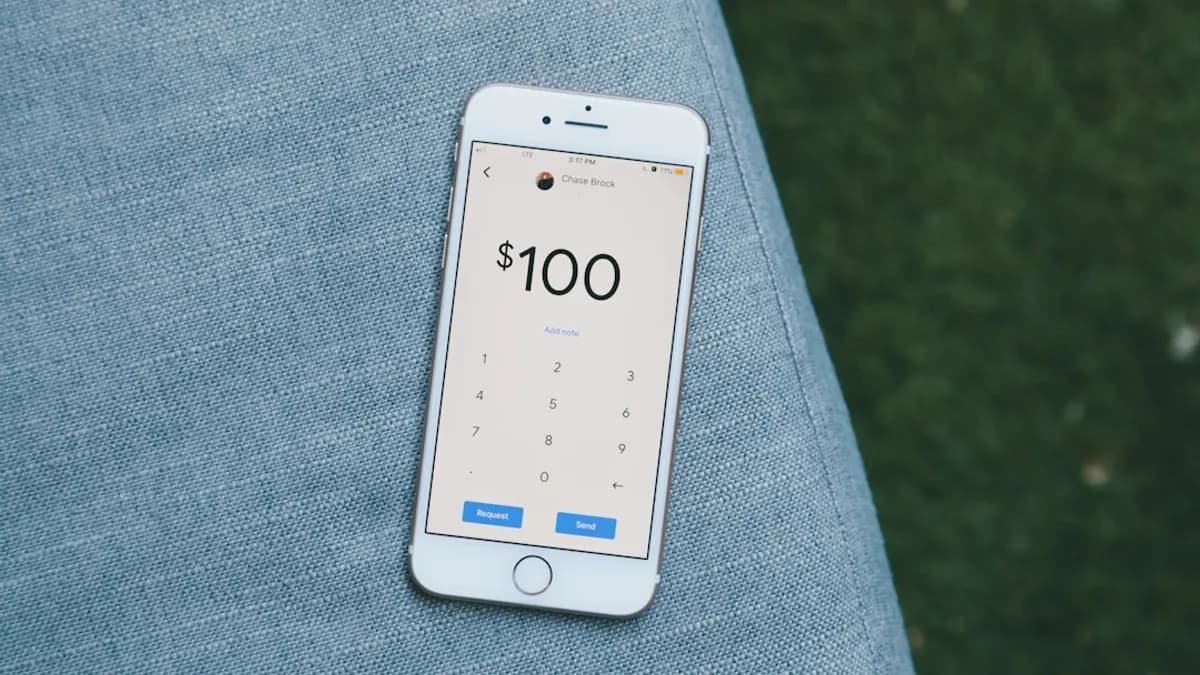
Pre-orders for the Trump T1 Phone opened nearly a year ago, each requiring a $100 deposit. Customers were promised delivery last September. No units shipped. Now, the possibility that the phone never existed at all puts every dollar collected under a harsh spotlight.
The source does not specify pre-order volume, so the total financial exposure remains opaque. But the mechanics are clear: if even a small fraction of the Trump fanbase put down deposits, Trump Mobile could be sitting on significant unfulfilled obligations. The economic impact for individual customers is direct—$100 lost per deposit if refunds aren’t issued. For Trump Mobile, the risk is both legal and reputational. Accepting money for a product that never existed could trigger lawsuits, chargebacks, and regulatory scrutiny. Analysis: The absence of delivery—combined with the company’s recent statements—hints at serious operational or financial holes that cannot be papered over with branding alone.
Stakeholder Perspectives: Customers, Trump Mobile, and Industry Experts Weigh In on the Controversy
Frustration among pre-order customers is inevitable. They paid deposits expecting a product by last September. Instead, they’re left with ambiguous messaging from Trump Mobile, which now implies the phone will never ship. The source doesn’t quote individual customers, but the scenario—lost money, broken promises—speaks for itself.
Trump Mobile’s latest position is especially damning: hinting that the smartphone never existed, after months of collecting funds, is a public admission of failure at best and possible deception at worst. Without hard evidence of development, the company’s credibility is shredded.
Expert analysis (MLXIO inference): The lack of transparency around timelines, specs, and manufacturing partners likely signaled trouble to industry insiders months ago. In the world of hardware, such opacity is rarely a sign of stealth innovation—it’s more often a red flag.
Lessons from History: Comparing the T1 Phone to Other Failed Celebrity Tech Products
The Trump T1 Phone’s saga fits a familiar pattern. Celebrity-branded tech launches have a record of overpromising and underdelivering, sometimes crossing into outright scams. The key ingredients: hype, deposits or pre-orders, and a conspicuous absence of real product.
Over time, the public has grown wary of these launches. Repeated failures—marked by missed deadlines, shifting explanations, and refund drama—have primed consumers to demand more proof before parting with cash. Regulatory agencies, too, may take a keener interest in projects that collect funds without delivering. The T1 case illustrates how easy it is for a famous face to sell an idea, but how hard it is to actually ship a phone.
What the Trump T1 Phone Fiasco Means for Consumers and the Smartphone Industry
The T1 Phone collapse further erodes trust in celebrity-endorsed gadgets and crowdfunding models. Consumers who lose money are less likely to buy into the next headline-making pre-order. This skepticism can spill over into legitimate projects, making fundraising harder for small players. For the smartphone industry, every high-profile flop undermines faith in innovation claims—especially when the project is so closely tied to a polarizing public figure.
From a regulatory standpoint, this episode may invite fresh scrutiny of how pre-orders are handled and what disclosures are required. If consumers remain exposed to vaporware risks, authorities could demand tighter rules around how and when funds can be collected.
Predicting the Future: Will Celebrity-Branded Tech Survive the Fallout from the Trump T1 Phone?
The Trump T1 Phone saga will likely cast a long shadow over future celebrity tech launches. MLXIO analysis: Unless public figures tie their names to real, in-progress hardware with transparent timelines and manufacturing details, skepticism will rule. Marketing playbooks may shift—fewer upfront deposits, more third-party validation, and clearer refund policies.
Legal reforms could follow, especially if customer complaints pile up. Watch for potential state or federal investigations into pre-order practices, and for platforms to impose stricter vetting of celebrity-backed crowdfunding campaigns. The next celebrity gadget will face a higher bar—and a warier audience—thanks to the T1 debacle.
What We Still Don’t Know
Major gaps remain. The total deposit sums, the exact number of affected customers, and the fate of their funds—none of this is detailed in the source. Trump Mobile’s legal exposure and any regulatory responses are similarly unclear. If refunds are issued, or if litigation follows, those developments will define the true impact of this collapse.
What to Watch Next
Watch for any official statements from Trump Mobile regarding refunds or legal liability. Regulatory interest—or the lack of it—will signal how seriously authorities take pre-order failures. If customers organize for collective action, or if banks process chargebacks en masse, the fallout could extend far beyond lost deposits. The next move from Trump Mobile will reveal whether this is merely a failed launch—or something closer to fraud.
Why It Matters
- The Trump T1 Phone highlights the risks of putting money into celebrity-branded tech products that lack transparency.
- Customers who pre-ordered face potential financial losses, exposing the weakness of consumer protections in such ventures.
- This situation underscores the need for better oversight and due diligence when investing in products promoted by public figures.