Huawei Set to Launch Mid-Range Phone with Industry-Leading 10,000mAh+++ Battery
Huawei is preparing to launch a mid-range Android phone with a battery capacity well above 10,000mAh, a figure that would shatter existing records for mainstream smartphones. This new device, expected as part of the Enjoy 100 series, is tipped to debut with an "industry-first" battery built from new materials, according to Notebookcheck.
If the claims hold, Huawei will outdo its current Enjoy 90 Pro Max, which houses an 8,500mAh cell, and leapfrog recent 10,000mAh-class releases from Honor and Realme. The company is openly targeting the title of "largest battery phone maker," signaling a new arms race in battery capacity—at least in the mid-range segment.
While the exact technology remains unnamed, the source highlights the use of new battery materials as the enabler for this leap in capacity. That detail alone sets Huawei up for scrutiny: is this a step-change in energy density, or simply a larger, heavier cell crammed into a bigger chassis?
How Huawei’s Massive Battery Will Impact the Mid-Range Smartphone Market
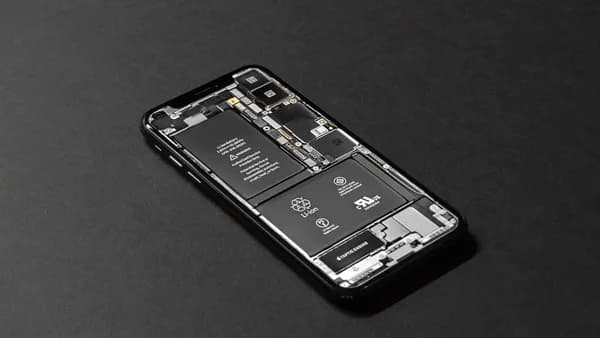
A battery exceeding 10,000mAh would put Huawei’s new mid-ranger in a class of its own, at least on paper. Honor and Realme have already shipped phones with 10,000mAh batteries, but Huawei’s promise of “10,000mAh+++” suggests it’s aiming to blow past that ceiling.
For users, the implications are direct: multi-day battery life even under heavy use, and a dramatic reduction in battery anxiety for travelers, gamers, or anyone glued to their device. This could redefine what buyers expect from a mid-range phone—assuming the trade-offs aren’t too severe.
Those trade-offs are rarely trivial. Packing in a battery this size nearly always means a chunkier, heavier phone. There’s also the question of charging: enormous cells can be painfully slow to top up unless paired with very fast charging tech, which the source does not mention. For now, it’s unclear whether Huawei’s “new materials” mean only greater energy density, or if they’ll also bring improved charging speeds and thermal management.
Analysis: If Huawei manages to deliver a device that isn’t a brick in the pocket—and charges within a reasonable timeframe—it could shift the baseline for battery expectations across the mid-range tier. If not, the phone risks being a curiosity for battery obsessives rather than a mainstream hit.
What to Expect Next: Release Timeline and Industry Reactions to Huawei’s Battery Breakthrough
The launch window for the Enjoy 100 series with this “10,000mAh+++” battery is still unconfirmed. Notebookcheck’s report does not specify a release date or regional rollout plans, leaving open questions about when and where consumers will actually see the device.
Industry reaction will hinge on the specifics of Huawei’s new battery materials and whether the device’s real-world battery life, weight, and charging speeds live up to the hype. If the phone delivers on all fronts, it could force competitors to respond, potentially speeding up adoption of next-generation battery tech in mainstream devices.
What remains unclear: the full spec sheet, pricing, and how Huawei balances battery size with other priorities like camera performance, design, and software features. The source does not provide any details beyond the battery, so at this stage, the device’s broader competitiveness is unknown.
Scenario to watch: If Huawei’s battery breakthrough proves credible and scalable, expect a new wave of “super battery” mid-range phones from both Huawei and its rivals. If the trade-offs are too steep, the market may shrug.
For now, all eyes are on the Enjoy 100 series launch and whether Huawei’s “10,000mAh+++” claim signals an actual leap forward or just a bigger number on the spec sheet.
Why It Matters
- Huawei is poised to set a new record in smartphone battery capacity, challenging competitors and raising consumer expectations.
- Longer battery life could redefine the mid-range phone experience, especially for users who value endurance over thinness.
- The introduction of new battery materials by a major brand could spur wider innovation and competition in mobile energy tech.