Introduction: TCL’s Bold Move in the RGB TV Market
TCL has established itself as one of the world’s leading TV manufacturers, consistently pushing the boundaries of display technology. In recent years, RGB (Red, Green, Blue) and Mini LED advancements have dominated the conversation, with many manufacturers showcasing their latest innovations at major events like CES. However, TCL has taken an unexpected stance: the company announced it’s moving away from new RGB TVs—including its own highly anticipated models. This bold move comes as RGB-Mini LED TVs have been celebrated for their stunning picture quality and vibrant colors, yet TCL seems to be prioritizing other factors. In this explainer, we’ll break down TCL’s strategy, the underlying technology, and what this shift means for consumers and the broader TV market.
Understanding RGB and Mini LED TV Technology
To appreciate TCL’s pivot, it helps to understand the technologies at play. RGB stands for Red, Green, and Blue—the primary colors used in electronic displays to create the full spectrum of visible colors. Most TVs use RGB subpixels to generate images, but the way they illuminate those pixels varies. Traditional LED TVs use a backlight behind an LCD panel, while OLED TVs generate their own light at the pixel level for superior contrast.
Mini LED technology is a newer innovation that shrinks the size of the LEDs used for backlighting. Instead of a handful of large LEDs, Mini LEDs allow for thousands of tiny light sources, offering vastly improved local dimming, brightness, and contrast. When combined with advanced RGB color management, Mini LED TVs can deliver exceptionally vivid and accurate color reproduction.
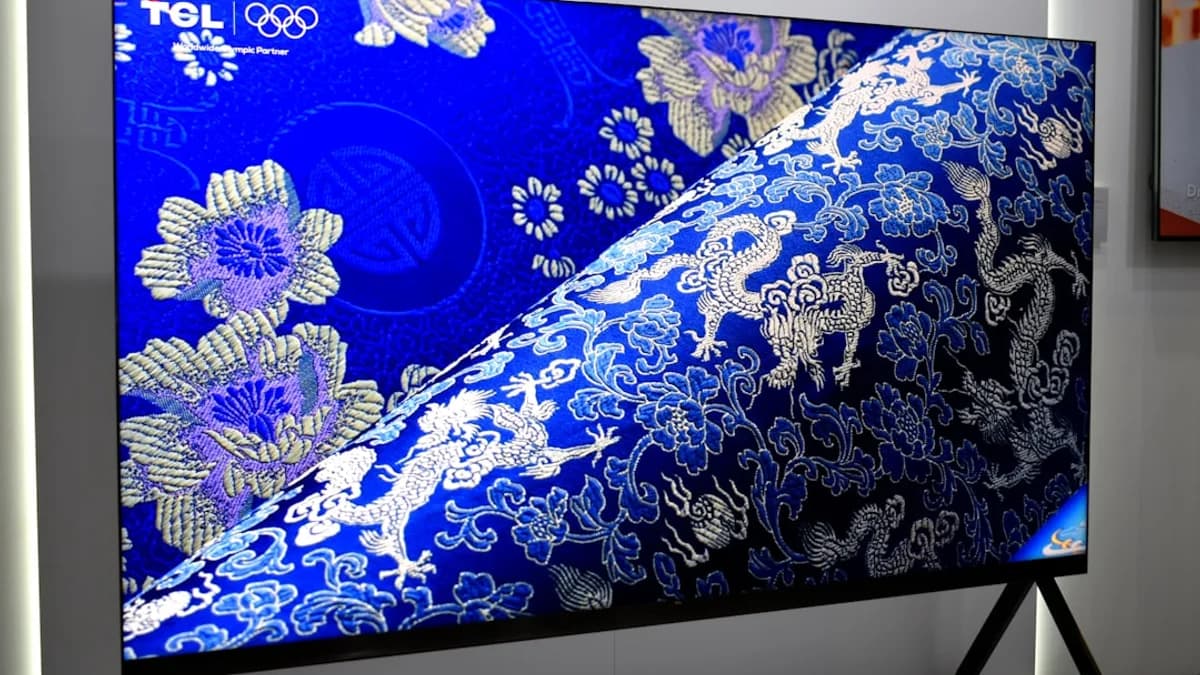
RGB-Mini LED TVs were a highlight at CES, appearing in many booths and promising a new standard for premium viewing experiences [Source: Source]. Their advantages include higher peak brightness, more precise color control, and reduced blooming effects—where light from bright areas bleeds into darker ones. These features are especially appealing for home theater enthusiasts and gamers seeking the best possible picture quality. However, integrating RGB and Mini LED technologies can push manufacturing costs higher, which is central to TCL’s recent decision.
TCL’s New TV Lineup: Affordable Models with Advanced Features
While much of the industry buzz has focused on ultra-premium RGB-Mini LED TVs—some of which can cost upwards of $8,000—TCL has announced a new wave of affordable television options. The company is launching four new TV series, designed to make advanced features accessible to a broader audience [Source: Source]. These models boast full HDR (High Dynamic Range) support, delivering richer colors and improved contrast. They also offer impressive refresh rates up to 144Hz, appealing to gamers and sports fans who demand smooth motion.
Sizes range from compact 43-inch screens to massive 98-inch displays, ensuring there’s an option for every living space. This diverse lineup stands in stark contrast to high-end RGB-Mini LED TVs, which, while technologically impressive, are priced out of reach for most consumers [Source: Source]. TCL’s affordable models are positioned to capture the mainstream market, offering cutting-edge features without the sticker shock.
The pricing strategy is clear: TCL is betting that most buyers prioritize value and feature set over the absolute peak of display technology. By delivering excellent performance at accessible prices, TCL aims to strengthen its market share and reinforce its reputation as a brand that balances innovation with practicality.
Why TCL Is Moving Away from RGB TVs, Including Its Own
TCL’s decision to “screw” new RGB TVs—even its own—raises important questions about the future direction of TV technology. There are several possible reasons behind this move. First and foremost, RGB-Mini LED TVs are expensive to produce. The combination of advanced color management and thousands of miniaturized LEDs drives up manufacturing costs, resulting in retail prices that limit their appeal to a niche audience [Source: Source].
Market demand is another critical factor. While enthusiasts rave about the superior image quality of RGB-Mini LED TVs, most consumers are unwilling or unable to pay a premium for incremental improvements. TCL recognizes that the majority of buyers are looking for value and reliability, not just cutting-edge performance. By pivoting away from pricey RGB models, TCL is aligning its product development with prevailing consumer preferences.
The company’s strategy also reflects a desire to balance innovation with affordability. TCL’s new lineup packs advanced features like HDR and high refresh rates into models that don’t break the bank. This approach ensures that technological progress isn’t limited to those with deep pockets but is accessible to everyday buyers. By focusing on affordability, TCL can maintain competitive positioning against rivals who may lean heavily into high-end offerings.
Additionally, TCL’s move hints at broader industry dynamics. The TV market is highly competitive, and brands must constantly assess whether the latest innovation genuinely meets consumer needs or simply caters to a small segment. TCL’s willingness to pivot—even away from its own hyped products—suggests a pragmatic approach to product development. As manufacturing techniques evolve and costs potentially decrease, TCL may revisit RGB-Mini LED offerings, but for now, the emphasis is on meeting the needs of the broader market.
Market Impact and Consumer Takeaways
TCL’s strategic shift could have ripple effects throughout the TV industry. Other manufacturers may follow suit, prioritizing affordable models with robust feature sets over ultra-premium RGB-Mini LED displays. This trend could drive greater accessibility, ensuring that advanced technologies like HDR and high refresh rates become standard even in entry-level and mid-range TVs [Source: Source].
For consumers, the takeaway is clear: advanced display features are becoming more affordable. Buyers can expect a wider selection of TVs with excellent performance at reasonable prices, rather than being forced to choose between budget models and prohibitively expensive premium options. TCL’s focus on affordability also supports regional launches, such as its new wave of appliances for South Africa, where price sensitivity is high and demand for modern features is growing [Source: Source].
Looking forward, the TV industry is likely to continue innovating beyond RGB and Mini LED. Emerging technologies such as Micro LED, quantum dot enhancements, and improved AI-driven image processing are on the horizon. As these advancements mature and become less costly to produce, they may find their way into mainstream products—further democratizing high-quality home entertainment.
Conclusion: The Future of TV Technology Through TCL’s Lens
TCL’s decision to move away from new RGB TVs, including its own premium models, marks a significant shift in the company’s strategy and reflects wider industry trends. By prioritizing affordability and feature-rich offerings, TCL is acknowledging the realities of consumer demand and the challenges associated with manufacturing ultra-high-end displays. This balance between cutting-edge technology and accessible pricing is likely to shape the next wave of TV innovation.
For consumers, the takeaway is optimistic: expect more advanced features in affordable packages, without sacrificing performance. As TCL continues to evolve, its decisions will likely influence the direction of the entire TV market. Watching for upcoming TCL models and innovations will be key for anyone seeking the best value and technology in home entertainment.