Introduction to Framework and Its Vision for Modular Laptops
Framework is making waves by building laptops that are easy to fix and upgrade. Unlike most big brands, Framework wants you to keep your laptop longer, not toss it when something breaks. This approach stands out as laptop makers face tough times, especially with the RAM crisis hurting supply and raising prices. RAM, the memory that helps computers run fast, is getting harder to find because of global shortages. While most companies scramble to keep up, Framework sees a chance to help users who value repair and choice.
Now, Framework is rolling out the Laptop 13 Pro. It’s designed for Linux users who want top performance without the limits of closed hardware. Some experts are calling it the “MacBook Pro for Linux users” because it packs strong specs and supports open software [Source: Google News]. With hardware shortages and repair issues everywhere, Framework’s new laptop aims to be a fresh solution for tech fans and tinkerers.
Understanding the RAM Crisis and Its Impact on Laptop Manufacturing
RAM shortages have hit the tech world hard. Factories that make RAM chips have faced power outages, COVID shutdowns, and shipping delays. Prices for memory chips jumped as a result. Laptop makers, including giants like Dell and HP, had to cut back on production or pass higher costs onto buyers. This made laptops more expensive and sometimes hard to find, especially those needing lots of memory for tasks like video editing or gaming.
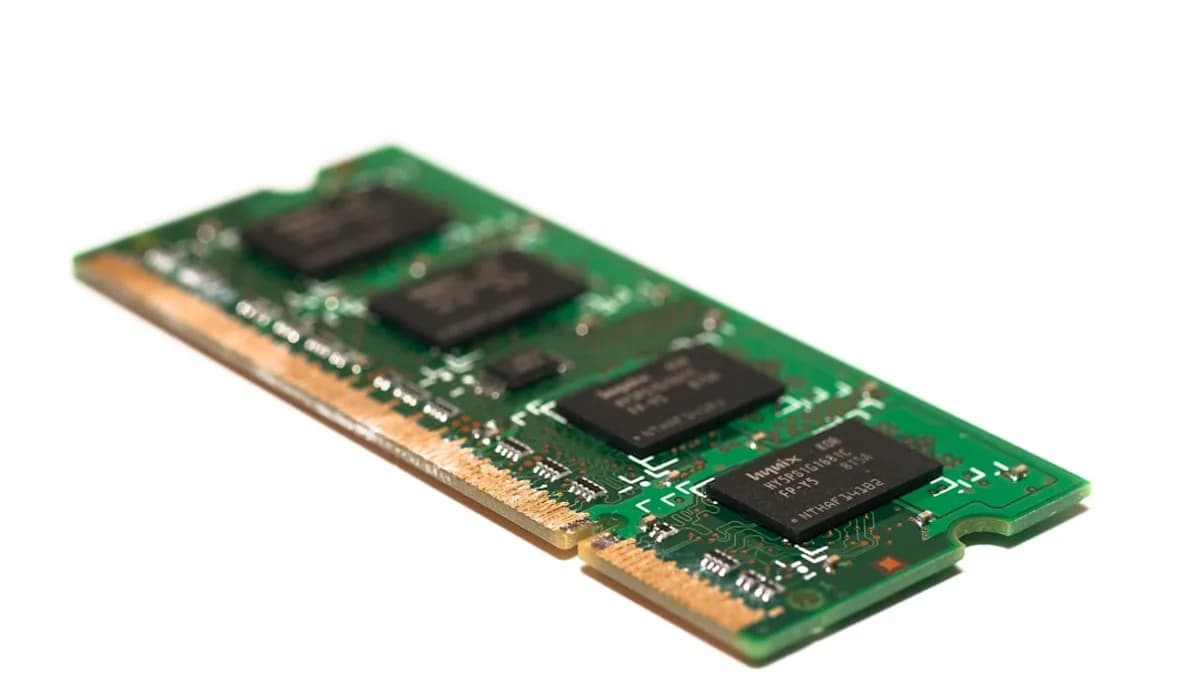
For many brands, this meant fewer upgrades and less choice for buyers. Some companies started selling laptops with less RAM or soldered memory chips, making them impossible to upgrade. That’s bad news if you need more power later or want to fix things yourself. Framework saw these problems and took a different road. Their laptops use modular parts, including RAM sticks that you can swap out or upgrade. If RAM is in short supply, you can buy just the laptop and add memory later when prices drop. This flexibility gives users control during supply crunches.
Traditional laptop makers often build devices that are hard to open or modify. Soldered RAM and sealed cases mean you’re stuck with what you buy. Framework’s modular design flips this script. If a component breaks, you can replace just that part. If you need more memory, you can add it without buying a whole new laptop. This approach makes sense during RAM shortages. It also helps with long-term ownership, since users aren’t forced to upgrade before they’re ready [Source: Google News].
Framework Laptop 13 Pro: A Modular, Linux-Friendly Alternative to MacBook Pro
The Framework Laptop 13 Pro is getting attention for its smart design. Every part, from the screen to the RAM, can be swapped or upgraded. The company sells kits and spare parts so you can fix things at home. This makes it one of the most repairable laptops you can buy. It’s a big step forward for folks tired of glued-together machines.
But what really sets the Laptop 13 Pro apart is its focus on Linux. Many laptops are built for Windows or MacOS, and Linux users often struggle with hardware that doesn’t work well with their favorite software. Framework fixes this by offering full Linux support. You can install popular Linux distributions like Ubuntu or Fedora with no fuss. All the drivers are ready, so Wi-Fi, graphics, and ports work smoothly. This is rare—most premium laptops for Linux users need lots of tweaks to get working right.
The Laptop 13 Pro packs strong specs, too. It uses Intel Core Ultra processors, fast SSD storage, and up to 64GB of RAM. That’s as much memory as some high-end workstations. The screen is sharp and bright, making it good for coding, creative work, or just watching videos. The device is slim and light, but you can still open it up with a screwdriver.
Many reviewers compare it to the MacBook Pro, but for Linux fans [Source: Google News]. Apple’s MacBook Pro is famous for its speed and build quality, but it doesn’t play well with Linux and is nearly impossible to upgrade. Framework’s laptop matches Apple in power but gives you freedom to change parts and run open software.
This design is a big shift from Apple’s sealed machines. With Framework, you don’t need to buy a new laptop when you want a better processor or more memory. You just swap out parts. This saves money and cuts down on waste. It also means you’re not locked into one company’s ecosystem, which appeals to users who want more control over their devices.
Expanding the Ecosystem: Framework’s eGPU Kit and Laptop 16 Innovations
Framework isn’t stopping with just one laptop. The company is working on an external GPU (eGPU) kit for its Laptop 16. This add-on lets you connect a powerful graphics card outside the laptop. If you need more muscle for gaming, video work, or AI projects, you can plug in the eGPU instead of buying a new computer.
External GPUs are popular with people who want flexibility. You can use your laptop for light tasks on the go, then plug in the eGPU at home for heavy lifting. Framework’s kit makes this easy, thanks to its modular ports and open design. This move shows Framework wants to help power users and professionals who need top performance but don’t want to be locked into one setup [Source: Google News].
The Laptop 16 is also built for easy upgrades and repairs. Like the 13 Pro, you can swap parts and add new features. This makes it a strong choice for users who need bigger screens and more power. If these ideas catch on, other laptop makers may have to rethink how they build their machines. More users may expect laptops that grow and change with their needs.
Implications for Linux Users and the Open Hardware Movement
Linux users have often felt left out by mainstream laptop brands. Many devices don’t support Linux well, leaving users to hunt for drivers or deal with hardware that barely works. Framework changes this by designing laptops that welcome Linux. The company works with the Linux community to make sure everything, from the keyboard to the camera, is ready out of the box.
This helps Linux fans who want a premium, hassle-free experience. It also supports the growing open hardware movement. Open hardware means devices are built so users can see how they work, change parts, and share ideas. Framework’s laptops are a big win for this movement. They give users power to fix, upgrade, and customize their machines.
Modular laptops also help the planet. Every year, millions of laptops end up as e-waste because they can’t be fixed. Framework’s repairable design cuts down on waste. If a battery dies or a screen cracks, you don’t need to toss the whole laptop—just replace what’s broken. This saves money and helps the environment.
There are challenges, though. Not everyone is used to fixing their own devices. Modular laptops can cost more up front, and some users want simple, sealed machines. But as tech-savvy communities grow, more people are asking for devices they can control. Framework’s approach could spark wider adoption among Linux users, students, and pros who care about repair and sustainability.
Conclusion: Framework’s Role in Shaping the Future of Sustainable, User-Centric Laptops
Framework’s smart response to the RAM crisis shows how a company can turn hardware shortages into a chance to rethink design. By making laptops that are easy to fix and upgrade, Framework helps users deal with supply problems and repair challenges. The Laptop 13 Pro stands out as a premium, modular machine built for Linux fans who want speed and freedom.
This model could shift how laptop makers build their products. If more brands follow Framework’s lead, users might get devices that last longer and are easier to fix. The push for open hardware and repairable laptops is growing stronger, thanks to companies like Framework. As tech evolves, modular laptops may become the new standard—giving users more choice, saving money, and helping the planet.
For now, Framework’s laptops offer a practical way to fight supply shortages and e-waste. If you care about control and sustainability, they’re worth a look. The future of computing may be less about sealed boxes—and more about devices you can shape, fix, and keep for years.
Why It Matters
- Framework offers a solution for users frustrated by limited repair and upgrade options during the RAM crisis.
- Modular laptops empower consumers to extend device lifespan and reduce electronic waste.
- Linux users gain access to high-performance hardware without relying on closed ecosystems like Apple.