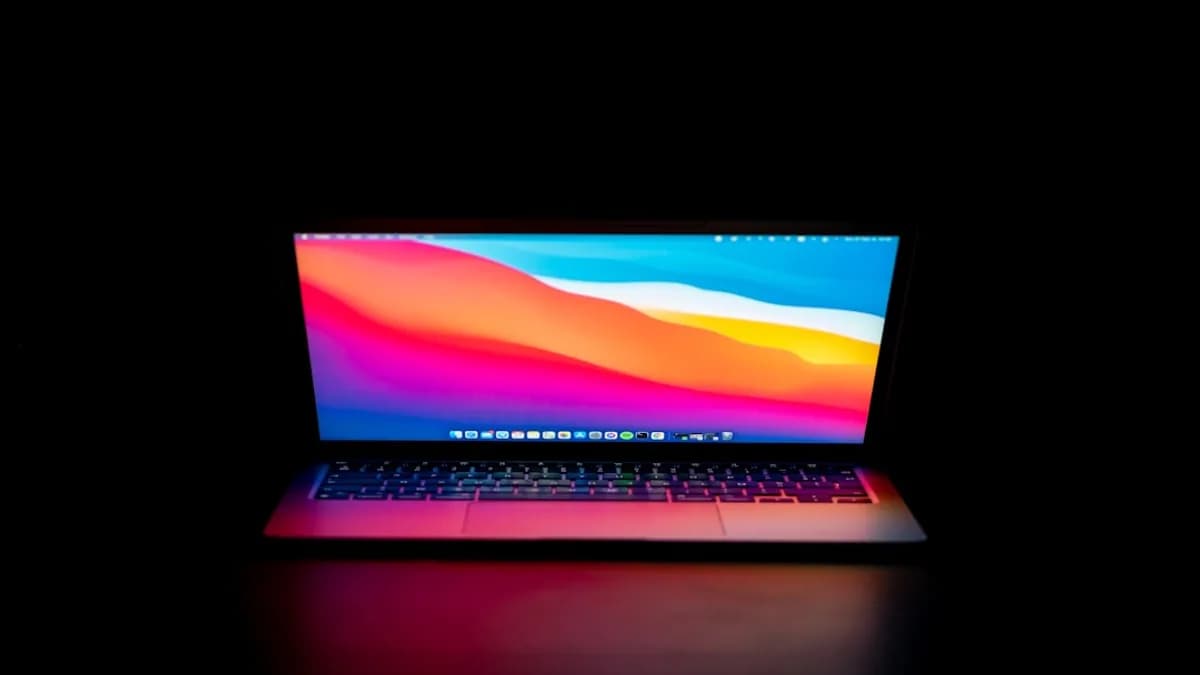
StarFighter Linux Laptop Launches with Cutting-Edge 120 Hz 4K Display and Massive 64 GB RAM
StarFighter, one of the most hyped Linux laptops of the decade, is finally shipping more than three years after its initial announcement. This machine is no spec sheet filler: with a 120 Hz 4K display, a 16-core processor, up to 64 GB of RAM, and open source firmware, StarFighter now sits at the top of the Linux laptop performance tier, according to Notebookcheck.
The 15.6-inch, 3840 x 2160 display supports a rare 120 Hz refresh rate, putting it on par with high-end gaming laptops and well ahead of most Linux-first machines, which typically max out at 60 Hz. Under the hood, buyers can opt for up to an AMD Ryzen 9 7940HS or an Intel Core i9-13900H—both 16-thread, top-of-the-line mobile CPUs—backed by up to 64 GB of DDR5 RAM. These specs make StarFighter one of the most powerful Linux-native laptops on sale, not just a customizable shell for running Ubuntu or Fedora.
But hardware isn’t the only thing that sets this machine apart. StarFighter ships with open source firmware, including coreboot and an open-EC (embedded controller), a rarity in a market where closed-source BIOS and firmware are still the norm. That means users—especially developers and security professionals—get unprecedented transparency and tweakability right from the firmware level.
How StarFighter’s Advanced Specs and Open Source Firmware Impact Linux Laptop Market
A 120 Hz 4K panel on a Linux-first laptop isn’t just a headline feature—it’s a signal that the Linux hardware space is done settling for “good enough.” Most Linux-centric laptops, even from premium brands like System76 or TUXEDO, have lagged behind Windows competition in display quality and refresh rates. StarFighter’s launch raises the bar, especially for users who need both pixel density and smooth motion—think developers working with graphics, video editors, and even Linux gamers.
On the firmware side, StarFighter’s commitment to open source runs deeper than most rivals. Coreboot support means faster boot times, less vendor lock-in, and the ability to audit or modify low-level system behavior. For security-conscious users, this is more than a philosophy: it closes the door on firmware-level backdoors and makes it far easier to verify the trustworthiness of the boot chain. For developers, it’s a playground for firmware tweaking that most closed systems simply don’t allow.
Performance-wise, the Ryzen 9 and Core i9 configs with 64 GB of RAM push StarFighter into workstation territory. For context, the vast majority of other Linux laptops—such as the top-tier System76 Lemur Pro or Dell’s XPS 13 Developer Edition—top out at 32 GB RAM, and rarely offer 120 Hz panels. StarFighter’s specs put it in direct competition with high-end MacBooks and Windows ultrabooks, but with the kind of hardware-level openness those platforms don’t match.
For users who need a Linux laptop that won’t choke under heavy IDEs, massive data sets, or multi-threaded compiles, StarFighter could be the first out-of-the-box option that doesn’t require compromise. The 120 Hz panel also means Linux gaming—already on the rise thanks to Proton and Steam Deck—gets a serious native hardware boost.
What to Expect Next: Availability, Pricing, and Future Updates for StarFighter Laptop
Units are shipping now, with order turnaround times reportedly measured in days rather than months—a rarity for niche, crowdfunded, or boutique Linux hardware. StarFighter is available directly from the manufacturer, Star Labs, with configuration options ranging from modest specs up to the fully maxed-out 64 GB and Ryzen 9 or Core i9 models.
Pricing starts just under $2,000 for base configurations and climbs to about $3,000 for the top-spec models. That puts StarFighter squarely in the premium bracket, but not out of line with other high-performance Linux options. For comparison, a fully loaded System76 Galago Pro with 32 GB RAM and a 4K screen lands in the same range—minus the 120 Hz refresh and open firmware. Dell’s XPS 13 Developer Edition, by contrast, maxes out at 32 GB RAM and lacks both a 4K 120 Hz panel and open firmware, but starts at a lower price point.
Star Labs has committed to ongoing firmware updates, with plans to upstream improvements to coreboot and the open-EC project. The company hinted at potential hardware refreshes—such as next-gen AMD and Intel chips—if demand persists. Community support is already ramping up, with devs on GitHub sharing tweaks and troubleshooting tips for power management and display calibration.
The big unknown is how quickly Linux distributions and the broader open source community will optimize for StarFighter’s bleeding-edge hardware. Early buyers should expect some rough edges—especially around display drivers and firmware updates—but the open-source-first approach should speed up fixes and customization.
For buyers who need a Linux laptop that’s both a performance monster and a platform for low-level tinkering, StarFighter is the new reference point. Watch for how quickly the community adopts it, and whether bigger brands will be forced to respond with their own open firmware and high-refresh displays.
Why It Matters
- StarFighter pushes Linux hardware to match premium Windows laptops in display and performance.
- Open source firmware gives users more control and transparency, benefiting developers and security-focused users.
- Its launch raises expectations for future Linux laptops, encouraging innovation across the industry.