Why Huawei’s Shift to Ultrasonic In-Display Fingerprint Sensors Could Redefine Smartphone Security
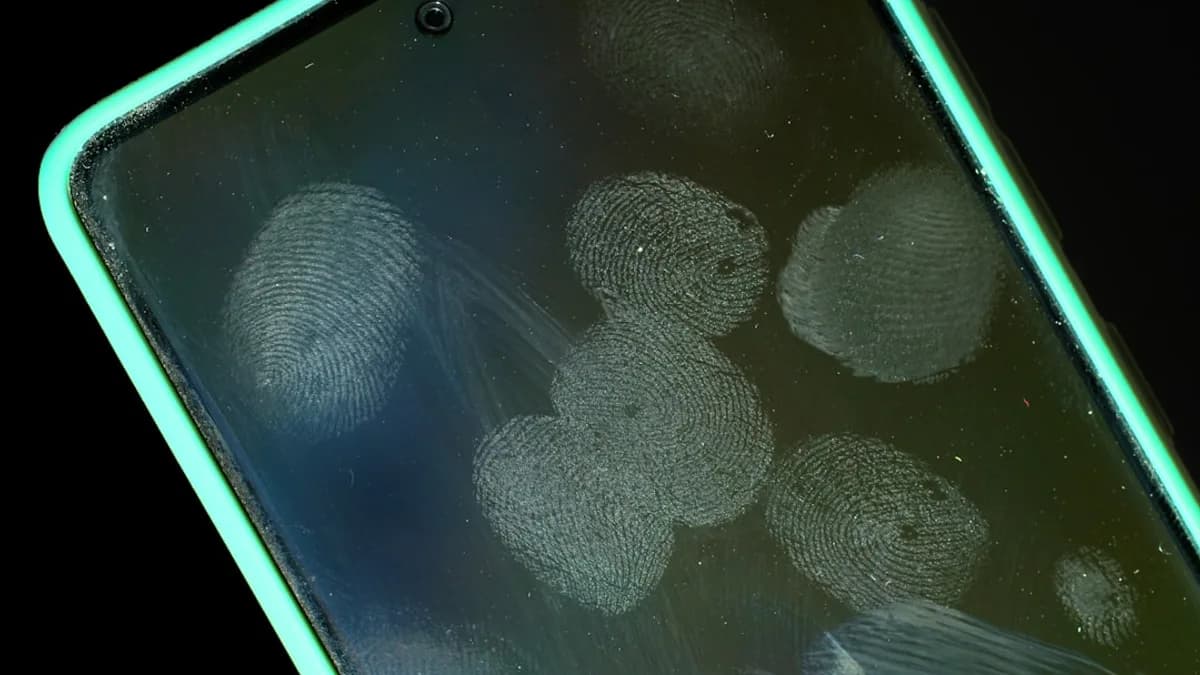
Huawei’s rumored jump from side-mounted to ultrasonic in-display fingerprint sensors isn’t just a cosmetic tweak—it signals a strategic push to leapfrog competitors on biometric security. Ultrasonic sensors, unlike the optical versions found in most mid-range devices, use high-frequency sound waves to map the ridges and valleys of a fingertip in three dimensions. This makes them far harder to spoof with basic molds or high-res images—a flaw that plagued earlier optical solutions.
User experience stands to benefit as well. Side-mounted sensors, while fast, force ergonomic compromises: they require awkward thumb placement and often struggle with damp or dirty fingers. Ultrasonic tech, in contrast, reads through glass and even some screen protectors, and unlocks reliably in wet conditions. For Huawei, this pivot could serve as a proof point of its R&D prowess at a time when Western sanctions have boxed out its access to premium chipsets and Google software.
The timing isn’t accidental. Samsung’s Galaxy S series has championed Qualcomm’s ultrasonic sensors since 2019, while Apple continues to shun in-display biometrics in favor of Face ID. Huawei’s Mate 90 series, if it delivers on these rumors, could finally close the gap in premium user authentication—staking claim to a feature that’s both high-tech and highly visible. The move is reportedly in testing now, according to Gsmarena. If successful, Huawei will be one of the few smartphone giants to offer a true ultrasonic unlock, not just a marketing gimmick.
Breaking Down the Numbers: Performance Metrics and Market Adoption of Ultrasonic Fingerprint Technology
Ultrasonic sensors aren’t just hype—they outperform optical and capacitive sensors by measurable margins. Qualcomm’s second-generation 3D Sonic Sensor, used in Samsung’s latest flagships, boasts unlock times as fast as 0.2 seconds and a rejection rate for fake prints under 0.002%. Optical sensors typically lag at 0.3–0.5 seconds and are more vulnerable to spoofing, especially in low-light settings. Reliability also jumps: ultrasonic sensors achieve up to 98% success in wet or dirty conditions, compared to 80–85% for optical.
Market adoption, however, remains modest. As of mid-2024, only about 12% of global flagship smartphones sport ultrasonic fingerprint sensors, per Counterpoint Research. Samsung dominates, with its Galaxy S and Fold lines; Vivo and Xiaomi dabble in the tech, but mostly reserve it for top-tier models. Most other OEMs stick with faster-to-integrate optical sensors, especially in emerging markets where cost trumps cutting-edge security.
Huawei’s fingerprint sensor history is conservative. The Mate 80 series leaned on side-mounted capacitive sensors, prioritizing speed but sacrificing aesthetics and advanced security. By moving to ultrasonic, Huawei aligns with industry benchmarks set by Samsung, but could leap ahead of Chinese rivals who haven’t fully committed. This isn’t just catching up—it’s a bet that biometric quality will become a new status symbol in a market saturated with incremental camera upgrades.
Diverse Stakeholder Perspectives on Huawei’s Fingerprint Sensor Upgrade
Consumers care most about speed, reliability, and privacy. In China, where mobile payment adoption exceeds 85% among smartphone users, biometric authentication isn’t just a convenience—it’s a necessity. Side-mounted sensors frustrate left-handed users and those with large hands; in-display ultrasonic sensors promise a more universal, seamless experience. Security-conscious buyers, especially in corporate or government sectors, will see three-dimensional fingerprint mapping as a step up from easily fooled optical systems.
Industry analysts view the move as a calculated response to growing pressure from both domestic competitors and international giants. Huawei’s switch to ultrasonic is less about “feature parity” and more about signaling technological resilience amid supply chain turmoil. By investing in advanced biometrics, Huawei fortifies its premium image, especially as it tries to recapture lost ground in Europe and Southeast Asia.
For component suppliers, the upgrade spells opportunity—and risk. Ultrasonic sensor modules cost 30–50% more than optical ones and require tighter integration with display manufacturers. Qualcomm, Goodix, and Silead are all vying for design wins, but only a handful can deliver the scale and reliability Huawei demands. Chinese competitors like Vivo and Oppo may feel pressure to accelerate their own adoption, triggering a ripple effect in supply contracts and R&D spending.
Tracing the Evolution of Huawei’s Fingerprint Technology: From Side-Mounted to Ultrasonic In-Display Sensors
Huawei didn’t rush into fingerprint innovation. The Mate series started with rear-mounted capacitive sensors, then moved to side-mounted solutions as bezels shrank. Each jump was a compromise: rear sensors offered security but ruined symmetry; side sensors improved speed but disrupted ergonomics and design cohesion. The Mate 80 Pro Max, for instance, featured a side sensor praised for responsiveness but criticized for its placement and tendency to misread damp fingers.
Meanwhile, Samsung, Vivo, and Xiaomi were experimenting with in-display optical sensors by 2018. Huawei held back, citing reliability concerns and a preference for proven tech—until now. The Mate 90’s rumored switch to ultrasonic marks Huawei’s first attempt to merge security, speed, and aesthetic minimalism in a flagship sensor. This upgrade isn’t trivial: ultrasonic sensors demand precision engineering, new display materials, and custom firmware to minimize false positives.
Challenges abound. Early ultrasonic sensors struggled with thick screen protectors and high humidity, forcing manufacturers to tweak hardware and software. Huawei’s history of overcoming such hurdles is notable: its Kirin chipsets powered advanced AI-driven facial recognition even after losing access to TSMC’s leading-edge fabs. If Huawei succeeds with ultrasonic integration, it will have surmounted both technical and logistical barriers—something its rivals have yet to fully achieve.
What Huawei’s Ultrasonic Sensor Upgrade Means for Smartphone Users and the Industry at Large
For users, this upgrade goes beyond convenience. Ultrasonic sensors boost security, reducing the risk of fraudulent unlocks, and enable faster, more reliable access even when fingers are wet or dirty. Device aesthetics benefit too: in-display sensors allow for uninterrupted glass, ditching unsightly side buttons and opening the door to edge-to-edge design.
Industry-wide, the shift could spark a new arms race in biometric authentication. If Huawei’s Mate 90 series launches with a robust ultrasonic sensor, other OEMs may be forced to abandon cheaper optical sensors in their flagships. This means greater investment in R&D, tighter supplier relationships, and a renewed focus on hardware-driven differentiation—a departure from the recent software-centric competition.
Huawei’s competitive edge, battered by export bans and chip shortages, could recover. By positioning ultrasonic fingerprint tech as a premium, China-made alternative to Apple’s Face ID or Samsung’s 3D Sonic, Huawei appeals to security-conscious buyers and tech enthusiasts alike. This is especially relevant in markets where facial recognition is considered less private or where mask-wearing remains common.
Ripple effects extend to payment platforms, enterprise security, and even government procurement. If ultrasonic sensors become the new standard, expect partnerships with fintech firms and regulatory bodies seeking higher authentication thresholds. Huawei’s move may set new norms for biometric quality—raising the bar for all smartphone manufacturers.
Looking Ahead: Predicting the Future of Biometric Security in Huawei’s Mate Series and Beyond
Huawei rarely settles for incremental upgrades. The Mate 90 series’ ultrasonic sensor could pave the way for multi-modal biometrics, combining fingerprint, facial, and even palm vein recognition in future devices. AI and machine learning will be central: advanced algorithms can detect anomalies, adapt to changing skin conditions, and thwart synthetic fingerprints generated by deepfake technology.
Investment in AI-driven biometric fusion is already underway in the broader industry. Qualcomm’s latest sensor modules support real-time liveness detection and can cross-reference facial and fingerprint data for two-factor unlocks. Huawei, with its HarmonyOS and proprietary AI hardware, might push for seamless integration—turning biometric authentication into an invisible, instantaneous process.
Expect standards to shift. If Huawei’s ultrasonic sensors prove reliable and secure, regulatory bodies in China and abroad could mandate similar tech for government-issued devices, banking, and healthcare. Consumer expectations will rise: users may demand biometric unlocks that work in all conditions, across all devices, from phones to tablets to wearables.
The next five years could see Huawei challenge Apple’s dominance in biometric security—not through copying, but by setting new benchmarks. If the Mate 90’s sensor lives up to its promise, it won’t just catch up—it could force the rest of the industry to rethink what “secure” really means in a world where phones are wallets, keys, and ID cards rolled into one.
Why It Matters
- Huawei’s adoption of ultrasonic fingerprint sensors boosts device security and user trust.
- Improved biometric technology sets a new standard, challenging competitors and enhancing market competition.
- This upgrade showcases Huawei’s innovation amid global tech restrictions and sanctions.