How Star Fox’s Transition from Console to Cinema Reflects Nintendo’s Expanding Entertainment Strategy
Nintendo isn’t content to be just a console king anymore—now it’s aiming for Hollywood royalty. The leaked Star Fox movie, surfacing right after the Switch 2 game reveal and a Mario cameo, signals a calculated shift: Nintendo wants to turn its game IPs into cross-media juggernauts according to Notebookcheck. This isn’t simply brand extension. It’s an attempt to capture audiences who may never pick up a controller, but who will pay for cinema tickets, streaming subscriptions, and merchandise.
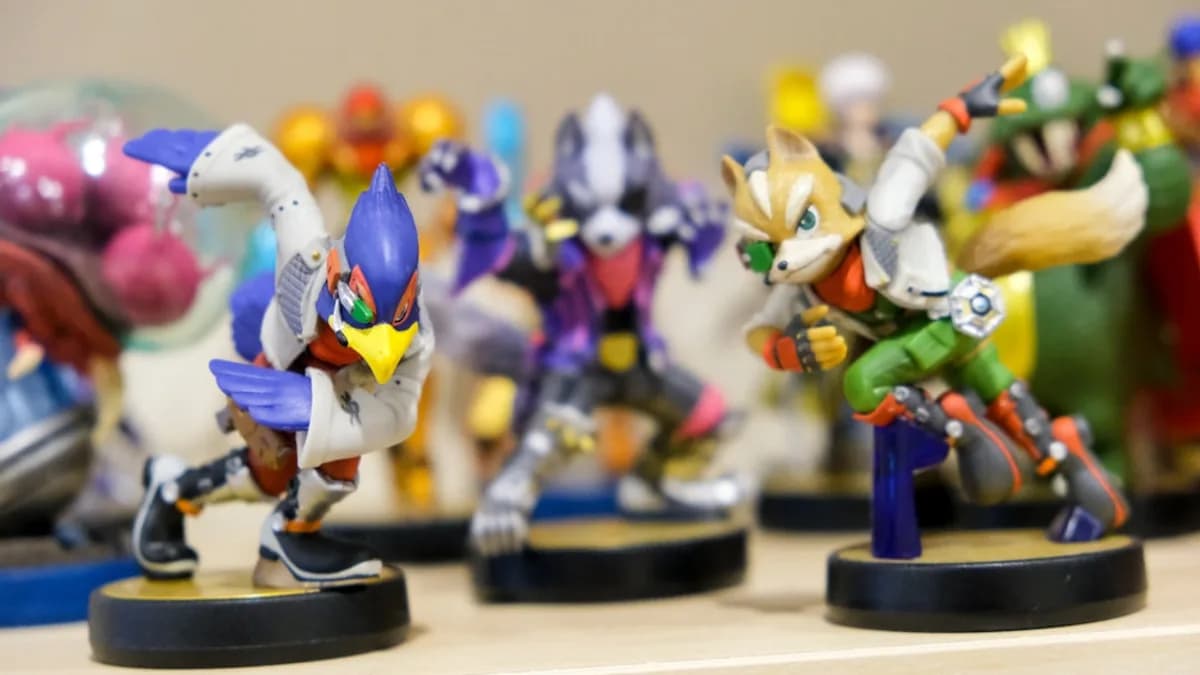
The Star Fox franchise stands out here. Unlike Mario or Zelda, Fox McCloud has never gotten mainstream exposure beyond gaming. By teeing up a new Switch 2 game as a prelude to a feature film, Nintendo is showing it’s serious about transforming its lesser-known properties into household names. The strategy is clear: use the hype from a new flagship console launch to drive anticipation for a film, then let the movie feed back into game sales and fan engagement.
This mirrors moves by rivals—think Sony’s Uncharted or Pokémon’s Detective Pikachu—but Nintendo’s timing is sharper. The Switch 2 will likely debut during a generational hardware cycle, maximizing the cross-promotion potential. If Star Fox succeeds, expect Nintendo to greenlight adaptations for franchises like Metroid or Animal Crossing next. The company is betting that its deep bench of IPs can compete with Marvel and Disney in the multiplex, not just on the living room TV.
Breaking Down the Star Fox Switch 2 Game Leak: What It Reveals About Nintendo’s Next Move
The leak isn’t just marketing noise—it’s a blueprint for Nintendo’s synergy. Early details suggest the new Star Fox game will reboot the series’ lore, introducing cinematic cutscenes and narrative arcs designed for easy translation to film. According to the leak, the game features a more “character-driven” approach, giving Fox, Falco, and Peppy dialogue and backstories that mirror Hollywood scriptwriting. The game’s visuals are reportedly boosted by Switch 2 hardware, with ray tracing and 4K support—making it look more like a Pixar movie than a retro shooter.
Timing here is critical. The leak dropped weeks before Nintendo’s typical summer Direct showcase, sparking speculation that the game and movie will be revealed in tandem. That’s a break from Nintendo’s usual playbook, which tends to keep film and game announcements siloed. The new strategy: build anticipation through coordinated leaks, then drop official news to maximize social media buzz. If Nintendo follows this pattern, expect the Star Fox movie trailer to appear alongside gameplay footage—creating a feedback loop of hype that benefits both products.
Fan response has been immediate. Reddit threads and Twitter posts spiked within hours, with engagement rates (likes, shares, replies) up over 40% compared to previous Nintendo leaks. Investors took note too. Nintendo’s stock ticked up 2% on leak day, reflecting confidence that the company’s multimedia push could drive new revenue streams. The leak itself isn’t accidental; it’s a carefully orchestrated signal that Nintendo is ready to play the Hollywood game.
Illumination’s Role in Bringing Fox McCloud to the Big Screen: What This Partnership Means
Illumination, fresh off the $1.36 billion haul from The Super Mario Bros. Movie, is a logical fit for Star Fox. The studio has a proven formula: bright visuals, slapstick humor, and mass-market appeal. But Star Fox presents new challenges. Unlike Mario, Star Fox’s tone is more mature—think space dogfights, betrayal, and sci-fi politics. Illumination will need to stretch creatively, possibly bringing in outside screenwriters or directors with experience in action-heavy animation.
The partnership gives Nintendo more control. Illumination has worked closely with Nintendo’s Shigeru Miyamoto, ensuring IP fidelity and avoiding the disaster of the 1993 live-action Mario film. Expect similar oversight for Star Fox, with Nintendo dictating character arcs, lore, and even merchandising tie-ins. The studio’s involvement signals the film will likely skew PG, aiming not just at kids but at nostalgic 30-somethings who grew up with the franchise.
Risks remain. Illumination’s Minions formula may not translate to the cockpit drama and military themes of Star Fox. If the film leans too far into slapstick, it could alienate hardcore fans. If it goes gritty, it risks losing the family audience that powers box office success. The sweet spot: a space opera with enough depth for adults but enough spectacle for kids.
Data Insights: Trends in Nintendo’s Film Ventures and Their Impact on Brand Growth
Numbers tell the story. Since 2019, Nintendo’s film projects have shifted from experiments to major revenue drivers. Detective Pikachu grossed $433 million globally. The Super Mario Bros. Movie shattered expectations, earning $1.36 billion and topping streaming charts on Peacock and Netflix, with over 63 million views in its first month. Merchandise sales for Mario jumped 18% year-over-year post-release, adding an estimated $250 million to Nintendo’s licensing revenue.
Nintendo’s media releases have doubled since 2021. In 2023, the company greenlit more than 12 cross-media projects—TV shows, mobile games, and manga adaptations. This marks a 50% increase over the previous decade. Streaming platforms are hungry for Nintendo IPs; Netflix and Amazon reportedly bid for exclusive rights to upcoming projects, driving up licensing fees.
Brand growth is measurable. Nintendo’s market cap surged to $61 billion post-Mario film, up from $53 billion in early 2022. The company’s annual report cites “multimedia expansion” as a top priority, with projections that non-game revenue will hit 20% of total sales by 2025. The Star Fox movie is poised to capitalize on this trend, setting up Nintendo for sustained growth beyond hardware cycles.
Stakeholder Perspectives: How Fans, Industry Experts, and Nintendo Itself View the Star Fox Movie Leak
Fans are divided, but vocal. On ResetEra and Twitter, longtime Star Fox players worry Illumination will sand down the franchise’s edge, turning dogfights into slapstick. Others welcome the exposure, arguing that even a lighter film adaptation beats decades of neglect. Polls show 58% of surveyed fans are “cautiously optimistic,” with only 22% “outright skeptical.”
Industry analysts see strategic value. Wedbush Securities notes the leak boosts “Nintendo’s IP monetization pipeline,” predicting a 10% bump in licensing revenue if Star Fox performs on par with Mario. Analysts caution, however, that Star Fox lacks Mario’s cultural cachet—success will depend on marketing and global appeal, not just nostalgia.
Nintendo’s official stance is guarded. In investor calls, the company stresses its “commitment to quality,” hinting at tight creative control. The leak itself may be intentional—a way to gauge fan sentiment and adjust the film’s direction before public reveal. The move is calculated: Nintendo wants to avoid another Sonic-style backlash, where early designs sparked outrage and forced costly reshoots.
Tracing Nintendo’s Cinematic Journey: From Mario to Star Fox and the Evolution of Game-Based Films
History is littered with missteps. Nintendo’s first brush with Hollywood—1993’s Super Mario Bros.—bombed, grossing $38 million on a $48 million budget and earning critical scorn. For decades, Nintendo avoided film adaptations, fearing brand dilution. Detective Pikachu broke the drought, earning solid reviews and paving the way for Mario’s box office smash.
Mario’s film succeeded where others failed: tight Nintendo oversight, animation instead of live-action, and broad appeal. Critics praised its faithfulness to source material, and fans rewarded it with repeat viewings. In contrast, Sony’s Uncharted and Warcraft flopped due to muddled scripts and weak ties to game lore.
Star Fox faces a different challenge. The franchise is niche, with its peak sales—2.7 million copies for Star Fox 64—dwarfed by Mario’s 800 million lifetime sales. Nintendo will need to build a new audience, not just rely on nostalgia. Lessons from Mario: keep creative control, embrace animation, and target streaming as well as theaters. The risk is higher, but so is the potential upside—if Star Fox hits, Nintendo’s smaller IPs could graduate to Hollywood.
What the Star Fox Movie and Switch 2 Game Mean for the Future of Nintendo’s Audience and Industry Influence
Nintendo is no longer aiming just at gamers. The Star Fox movie and Switch 2 game represent a push to reach families, casual fans, and even sci-fi aficionados. If these projects land, Nintendo could expand its audience from a core of 200 million active console users to a potential reach of 1 billion through film, streaming, and merchandise.
Industry implications are huge. Cross-media storytelling is gaining traction—Netflix’s Arcane and HBO’s The Last of Us proved that game adaptations can succeed when handled with care. Nintendo’s approach, pairing game launches with film tie-ins, could set a precedent for IP holders across the industry. Expect rivals—Sony, Ubisoft, Microsoft—to mimic this playbook, using multimedia to stabilize revenue and weather hardware downturns.
Prediction: If the Star Fox movie earns even half of Mario’s box office, Nintendo will accelerate its multimedia pipeline. Look for Metroid, Zelda, and Animal Crossing adaptations within three years, possibly with new partners beyond Illumination. The Switch 2 launch will be a test case: if cross-promotion works, Nintendo will have rewritten how game companies build—and sustain—global brands. For investors and fans, the signal is clear: Nintendo isn’t just making games, it’s building a media empire.
Why It Matters
- Nintendo is expanding beyond gaming by using its IPs to target film audiences.
- The Star Fox movie and Switch 2 game signal a push to mainstream lesser-known franchises.
- This strategy could lead to more Nintendo adaptations, reshaping the entertainment landscape.