Sony Xperia 1 VIII’s Bold New Design and Color Choices Signal a Strategic Shift
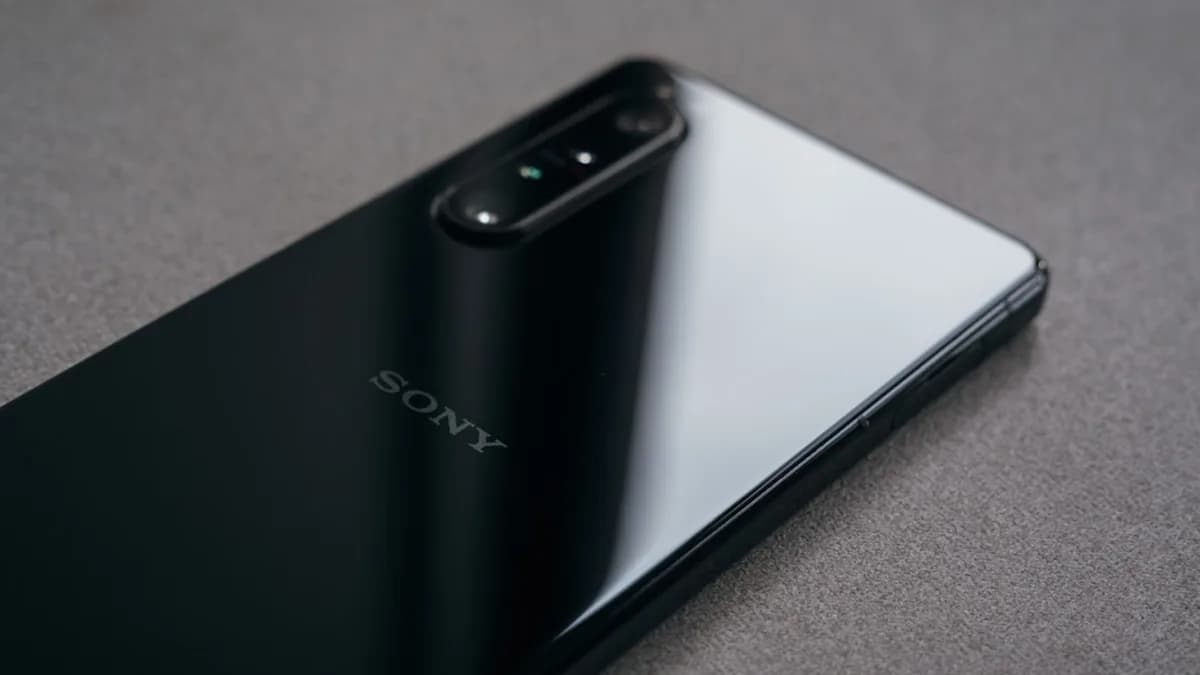
Sony’s leaked Xperia 1 VIII images aren’t just a peek at new hardware — they mark the sharpest visual departure in the flagship’s lineage since the Xperia 1 series debuted five years ago. Gone is the boxy minimalism that defined earlier models; the VIII’s softened edges and reworked camera module suggest Sony wants to break out of its niche and chase broader appeal. Four color options — black, silver, blue, and a striking new green — signal a move away from monochrome conservatism. The green, in particular, feels engineered for social media, a demographic Sony has historically struggled to capture.
According to Notebookcheck, these official-looking marketing shots hint at a subtle but calculated shift: thinner bezels, a more pronounced camera bump, and a sleeker profile. Compared to the Xperia 1 VII’s restrained palette and utilitarian form, the VIII looks more in line with what Samsung and Apple push — design as a status symbol, not just a tool. This isn’t accidental. Sony’s mobile division has bled market share for years, with global shipments stuck below 1 million units per quarter since 2022 (Statista). The new design and colors aren’t just window dressing; they’re a bid to claw back relevance in a premium market where aesthetics increasingly drive buying decisions.
Breaking Down the Rumored May 20 Launch and What It Means for Market Timing
A May 20 launch date puts Sony in the crosshairs of the usual spring flagship cycle, just weeks after Samsung’s Galaxy S24 and ahead of Apple’s fall update. This timing is strategic. Sony typically launches Xperia 1 models in early summer, but the rumored earlier release could be intended to capitalize on post-tax season spending in key markets like the US and Japan. It also gives Sony a chance to grab headlines before the Android crowd turns its attention to Pixel 9 rumors.
The Amazon listing leak, which surfaced days before these image drops, likely forced Sony’s hand — accelerating its marketing rollout to preempt further leaks and control the narrative. In past cycles, Sony’s staggered release strategy hurt it: the Xperia 1 VII launched in June 2023, long after Samsung and Xiaomi had soaked up early adopter excitement. By jumping the queue, Sony hopes to build anticipation and ride the momentum of fresh design and features, rather than playing catch-up. If the May 20 date holds, expect a blitz of pre-orders and early reviews that could finally give the brand a shot at outselling its own modest benchmarks.
Price Increase Controversy: How a Higher Xperia 1 VIII Price Could Reshape Consumer Expectations
The Xperia 1 VIII is rumored to launch above $1,400 — a steep climb from the VII’s $1,199 US MSRP. That’s not just sticker shock; it’s a signal that Sony is betting on its camera pedigree and brand premium to justify a price point that challenges even the iPhone Pro Max and Galaxy S24 Ultra. This is risky territory. In 2023, the Xperia 1 VII sold fewer than 300,000 units globally during its launch quarter (IDC estimates), largely because its price matched competitors but lacked their ecosystem lock-in.
Sony’s rationale likely comes down to two factors: rising component costs (especially for custom image sensors) and the need to recoup R&D from its shrinking smartphone margins. Unlike Samsung and Apple, Sony’s mobile division doesn’t enjoy scale benefits — every model is a small-volume, high-cost proposition. It’s also possible Sony is banking on its reputation with professional photographers and creators, a group that’s historically paid a premium for Alpha cameras and expects top-tier imaging.
Industry response is split. Some analysts see the price hike as suicidal in a market where even Google’s Pixel 8 Pro undercuts Sony by $300. Others argue that if Sony can deliver genuine camera innovation, it could carve out a profitable niche — but only if the VIII’s features justify the jump. Early consumer reaction on forums and social media is tepid: complaints focus on the lack of meaningful upgrades relative to price, and fears that Sony is pricing itself into irrelevance. If the VIII launches at this rumored price, Sony will either spark a small cult following or cement its status as a luxury oddity, not a mainstream flagship.
The Optical Zoom Debate: Consequences of Removing Continuous Optical Zoom from Xperia 1 VIII
Sony’s decision to drop continuous optical zoom — a feature that set the VII apart from most rivals — is a gut punch for mobile photography purists. Continuous optical zoom uses variable lens elements to deliver seamless zoom transitions, unlike the stepped fixed lenses in most smartphones. The Xperia 1 VII’s 85–125mm lens was a genuine differentiator, letting users shoot portraits and wildlife without digital degradation.
With the VIII, rumors point to a return to fixed focal lengths, possibly to cut costs or improve sensor size. For photographers, this means the loss of flexibility — forced to jump between wide and telephoto, rather than dialing in exactly the framing they want. Sony may pitch new computational features, like improved AI upscaling or faster autofocus, but in a market where Google and Apple dominate software, hardware innovation is the only real way to stand out.
The rationale? Sony might argue that most users rarely use optical zoom, and that fixed lenses can be larger, brighter, and sharper. But the removal alienates the enthusiasts who kept the Xperia 1 series relevant, and hands marketing ammo to rivals. If the VIII can’t compensate with stunning image quality or unique features, it risks losing the one segment that reliably bought Xperia flagships.
Historical Pricing and Feature Trends in Sony Xperia Flagships: Lessons from the Past
Sony’s Xperia 1 pricing strategy has always danced around the premium threshold. The original Xperia 1 (2019) launched at $949. The II and III crept up to $1,199, and the VII matched that price in 2023. Each bump was tied to headline features: 4K OLED screens, Alpha camera tech, and — in the VII — continuous optical zoom. But sales never matched ambition. The Xperia 1 II moved fewer than 500,000 units in its launch year, with subsequent models trending down as Sony failed to capture mass market appeal.
Feature trends tell the same story. Sony’s flagships consistently push camera innovation, but rarely deliver on the software front: sluggish updates, barebones UI, and limited integration with Sony’s own Alpha ecosystem. When the Xperia 1 IV added a variable zoom lens, reviewers praised the hardware but complained about price and usability. The pattern is clear: Sony gambles on niche features, raises prices, and loses mainstream buyers — but retains a small cadre of enthusiasts.
The VIII’s rumored price and design tweaks fit this trajectory. Sony’s strategy is less about chasing volume than defending its reputation as a camera-first brand. But history suggests that without a killer feature or a price that undercuts rivals, the VIII risks repeating past missteps.
Diverse Stakeholder Perspectives: What Consumers, Industry Experts, and Sony Might Think
Early leaks have sparked polarized reactions. Consumers on Reddit and X (formerly Twitter) have hammered Sony for the price hike and the loss of continuous zoom, calling the VIII “a downgrade at flagship prices.” Others praise the new colors and design, hoping it signals a less stodgy approach.
Industry analysts see Sony’s moves as defensive. Ben Wood (CCS Insight) notes that Sony’s smartphone business is “sub-scale and under constant threat of being shuttered,” and this model is likely a test of whether premium pricing can sustain the brand’s presence. The new design and colors are attempts to lure lifestyle buyers, but without ecosystem lock-in or aggressive carrier deals, Sony’s reach remains limited.
Sony’s internal calculus is complex. The company’s mobile division is dwarfed by its camera and PlayStation businesses. Xperia phones are a branding exercise as much as a profit center — a way to showcase sensor technology and keep the Alpha line relevant to younger buyers. Sony’s challenge is to balance innovation with commercial viability, and the VIII may be a last stand: if this model fails to carve out a profitable niche, the division could face cuts or consolidation.
What the Xperia 1 VIII’s Launch Signals for the Future of Sony’s Smartphone Strategy
If the Xperia 1 VIII launches with its rumored price and feature set, Sony is doubling down on its boutique status rather than chasing mass-market relevance. The design refresh and color expansion are signals that Sony wants to broaden appeal, but the loss of continuous zoom and steep price suggest it’s unwilling or unable to compete on volume.
The likely scenario: Sony will pivot harder toward professional and enthusiast buyers, focusing on camera hardware and integration with Alpha products. Expect future models to push sensor size and lens quality, but skimp on software and mainstream features. If sales disappoint, Sony may reduce global distribution or shift to a Japan-centric model, as it has with other underperforming divisions.
For the premium smartphone segment, Sony’s retreat leaves Samsung, Apple, and Google to battle for mainstream share — but it also creates space for boutique brands (like Leica and Hasselblad) to target photographers with ultra-premium devices. The Xperia 1 VIII won’t change the market’s center of gravity, but it will test whether a camera-first, high-price strategy can survive in a world dominated by ecosystem lock-in and aggressive carrier subsidies. If Sony’s gamble pays off, expect rivals to copy its hardware innovations; if not, this could be the Xperia flagship’s swan song.
Impact Analysis
- Sony’s design overhaul signals a shift to attract mainstream buyers and regain lost market share.
- New color options and an earlier launch aim to capture post-tax season spending and social media-driven trends.
- A price increase and premium positioning could reshape consumer perceptions of Sony’s flagship smartphones.