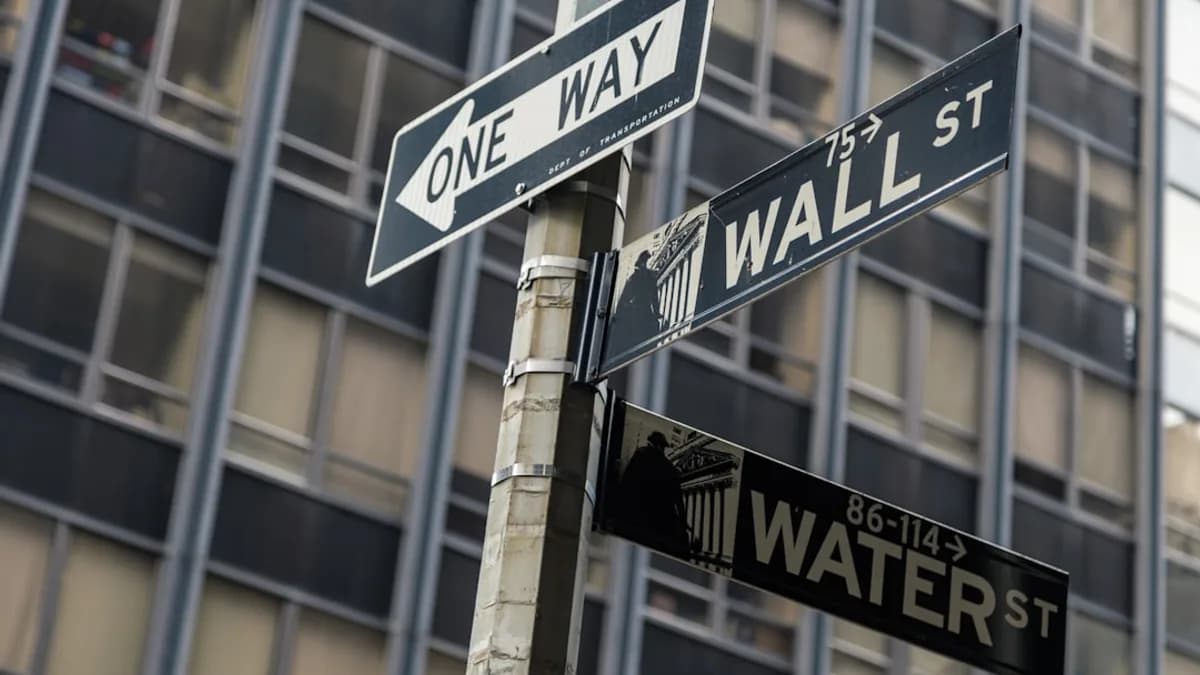
Hormuz Flareup Ignites Oil Rally — And Wall Street Blinks
US crude ripped higher by 4.2% to $88.10 per barrel after US and Iranian forces exchanged fire in the Strait of Hormuz, the world’s most critical oil chokepoint. Brent surged to $92.60, up 3.7% on the session. The news, confirmed by multiple outlets, instantly rattled global risk sentiment: S&P 500 futures fell 1.1%, Nasdaq retreated 1.4%, and chip stocks that had driven recent rallies reversed gains into the close. The dollar index caught a safe-haven bid, rising 0.6% intraday.
Volatility wasn’t limited to commodities. Gasoline spot prices in California jumped past $4.50, the highest since September 2023, on fears of supply disruption. The VIX spiked from 13.4 to 16.9 in under an hour. Even US Treasuries saw a flight-to-safety: the 10-year yield slipped 9 basis points to 4.32% as investors dumped equities. The market’s instantaneous repricing shows just how tightly coupled geopolitics and financial assets remain according to Bloomberg.
AI Trade Unwinds as Hormuz Heats Up
The tech sector, already vulnerable to profit-taking after a relentless AI-driven rally, saw outsized selling. Akamai fell 7.8% and Cloudflare plummeted 11.3% after hours, as investors rotated away from high-multiple growth toward defensives. The so-called “AI Magnificent Seven” shed over $240 billion in market cap in a single session. This wasn’t just a kneejerk; traders moved quickly to price in the possibility of further supply chain shocks and higher input costs for chipmakers.
Iran Tensions: Context and Comparison to Past Oil Shocks
This week's move marks the sharpest single-session oil spike since the September 2019 Abqaiq attack, which sent Brent up 15% overnight. However, the current rally is less explosive, in part because inventories are higher and OPEC’s spare capacity remains above 2.5 million barrels/day. Year-to-date, WTI crude is up 18.5%; compare that to the 35% rally in the first half of 2022 when Russia invaded Ukraine, and the market’s reaction looks measured — for now.
Historical Oil Chokepoint Risks
Strait of Hormuz incidents have triggered double-digit price surges before. In July 2018, Iranian threats to close the strait pushed Brent up 8% over three sessions, but prices retraced within the month as US naval presence increased. In 1988, the “Tanker War” period saw crude volatility triple (from 26% to 77% annualized), though the long-term price impact faded as alternative routes and insurance mechanisms were deployed.
What’s different now: global oil demand is at a record 103.5 million barrels/day, per the IEA, with Asian importers more exposed than ever. The US is less import-dependent than in past decades, but a 20% disruption in Hormuz flows would still mean a 3-4 mbpd shortfall — enough to send WTI toward $110 if escalation continues. The market’s muted reaction suggests traders see this as a skirmish, not a prelude to full-scale war.
Risk-Off Moves in Equities: Familiar Pattern, New Twist
The S&P 500’s 1.1% drop looks tame compared with previous oil shock selloffs — it fell 3.2% on the first day of the Ukraine invasion, and 2.7% during the 2019 Abqaiq attack. However, the tech sector’s leadership reversal is notable: the Nasdaq’s 1.4% retreat erased two weeks of gains, and the SOX semiconductor index gave up 4.1%. Unlike prior oil shocks, today’s market is more concentrated in megacap tech, making the AI unwind a new source of fragility according to Reuters.
Technical Picture: Oil Faces Resistance, S&P 500 Tests Key Floor
WTI crude’s rally stalled just under $90, a level that capped rallies twice in April. The next major resistance sits at $93.50, the October 2023 high, with support at $85.10 — the 50-day moving average. Options data showed a surge in $90-$95 call buying, with open interest up 17% overnight, pointing to trader expectations of continued volatility.
S&P 500: Uptrend Intact, But Cracks Appear
Despite the retreat, the S&P 500 remains above its 100-day moving average of 5,080, a line it hasn’t closed below since November 2023. A break below this level could open the door to a test of 4,930, the March low. Relative Strength Index (RSI) dropped from 67 to 54, signaling momentum has faded but not flipped bearish. Notably, market internals deteriorated: only 32% of S&P components closed above their 50-day average, the lowest since January.
Options Skew and Volatility Signals
The VIX curve steepened sharply, with the 1-month/3-month spread at its widest since the August 2023 China credit scare. Put/call ratios jumped to 1.34, highest since the Q4 2022 earnings miss cycle. This shows traders are positioning for more downside — but not a crash. Oil volatility (OVX) leapt 26%, while bond volatility (MOVE index) only rose 6%, underscoring that the market’s stress is commodity- and equity-specific, not systemic.
Beyond the Headlines: What’s Really Moving Markets
Geopolitics are the spark, but the fuel is a crowded AI trade, rich valuations, and rising uncertainty about Fed policy. The Hormuz clash gave investors an excuse to de-risk portfolios late in a bull run already showing cracks.
Macro Backdrop: Tight Supply, Shaky Demand
Global oil inventories are 7% below their five-year average, but OECD demand growth has stalled at 0.6% year-on-year, down from 2.2% at the 2022 peak. China’s refiners have slowed imports for two straight quarters, while US shale output remains flat at 13.3 mbpd — only 0.2 mbpd off the all-time high. OPEC+ has signaled it won’t rush to add supply unless prices breach $100, preferring to manage the market with verbal intervention. This creates a tightrope: one more supply shock could tip balances quickly according to Reuters.
Tech’s Fragility: AI Trade as New Risk Barometer
The AI sector’s leadership has become a double-edged sword. Nvidia and AMD were up 44% and 38% YTD, respectively, before this week’s selloff, with price/earnings multiples at 56x and 49x. Now, with margin pressure from potential energy cost increases and persistent supply chain threats, investors are scrutinizing every “growth at any price” narrative. The unwind in Akamai and Cloudflare, typically seen as infrastructure winners, signals that even the AI “picks and shovels” trade isn’t immune.
Policy Wildcards: Fed, OPEC, and the White House
The Federal Reserve faces a dilemma: a prolonged oil spike could rekindle inflation just as core CPI is drifting toward the 2.3% target. Market-implied odds of a September rate cut fell from 74% to 59% after the Hormuz news. The White House, meanwhile, is unlikely to tap the Strategic Petroleum Reserve aggressively — inventories are at a five-year low of 354 million barrels. OPEC+’s next meeting will be pivotal; traders are already pricing in a 45% chance of a surprise output hike if Brent breaks $100.
Scenarios: How Oil and Equities Could Move Next
Bulls: Escalation Fades, Tech Rebounds, Oil Peaks
If US-Iran tensions de-escalate — as they did after the January 2020 Soleimani strike — oil could retrace gains toward $82-84. The S&P 500 would likely snap back toward 5,280, led by a rotation back into tech as supply fears ebb. AI stocks would benefit from renewed growth optimism, especially if the April jobs report (due Friday) comes in soft, supporting the Fed’s dovish tilt. In this scenario, WTI settles in the $80-85 range through Q2, while the S&P 500 retests recent highs.
Bears: Prolonged Strife, Supply Disruption, Fed Hawkishness
A drawn-out conflict in Hormuz would likely push Brent above $100 and WTI to $98-105. A 3-5% supply disruption could send gasoline to $5 nationally and trigger a 6-8% correction in the S&P 500 as margin estimates for industrials and transport stocks get slashed. If inflation expectations tick higher, the Fed could signal a rate-hike pause through year-end, further weighing on equities. Tech would stay under pressure, with the Nasdaq potentially retesting March lows near 15,200.
Wildcards: Policy Intervention or Shock Event
The market is underpricing the risk of a left-tail outcome: a direct US-Iran naval clash or a cyberattack on energy infrastructure could drive oil volatility toward 2020 pandemic highs (OVX > 80), with equity correlations spiking. Conversely, a surprise OPEC production increase or a diplomatic breakthrough could spark a relief rally, especially if the Fed pivots dovish in response to weaker growth data.
What’s Next: Expect Volatility, Not a Trend Reversal — Yet
The weight of evidence points to a period of elevated volatility, not a decisive trend change. Oil prices will likely remain headline-driven, with every Hormuz-related incident sparking two-way risk. The S&P 500 should find support near the 100-day moving average barring a major escalation, but the AI trade has lost its invulnerability. Look for tech to lag as traders recalibrate risk and earnings sensitivity to energy shocks.
Historically, oil shocks without actual supply loss unwind within weeks — but today’s market structure, with its megacap concentration and options-driven volatility, makes for sharper moves in both directions. Expect WTI to trade in a $85-95 range until either Iran tensions cool or OPEC signals a clear policy shift. Equities will chop sideways, with the next decisive move hinging on macro data and the Fed’s response.
Prediction: Oil settles back to the mid-$80s within three weeks absent new escalation, but any fresh Hormuz event sends WTI to $100+ and triggers a 5% S&P 500 correction. The AI trade will lag, and defensives — energy, utilities, staples — will outperform into summer as investors rotate away from high-multiple growth. Those waiting for a durable risk-on rally will need to see both geopolitical de-escalation and softer inflation data before piling back into tech.
Sources: Bloomberg, Reuters, CNBC, Investor’s Business Daily