Why the Sony Xperia 1 VIII Defies Modern Smartphone Trends
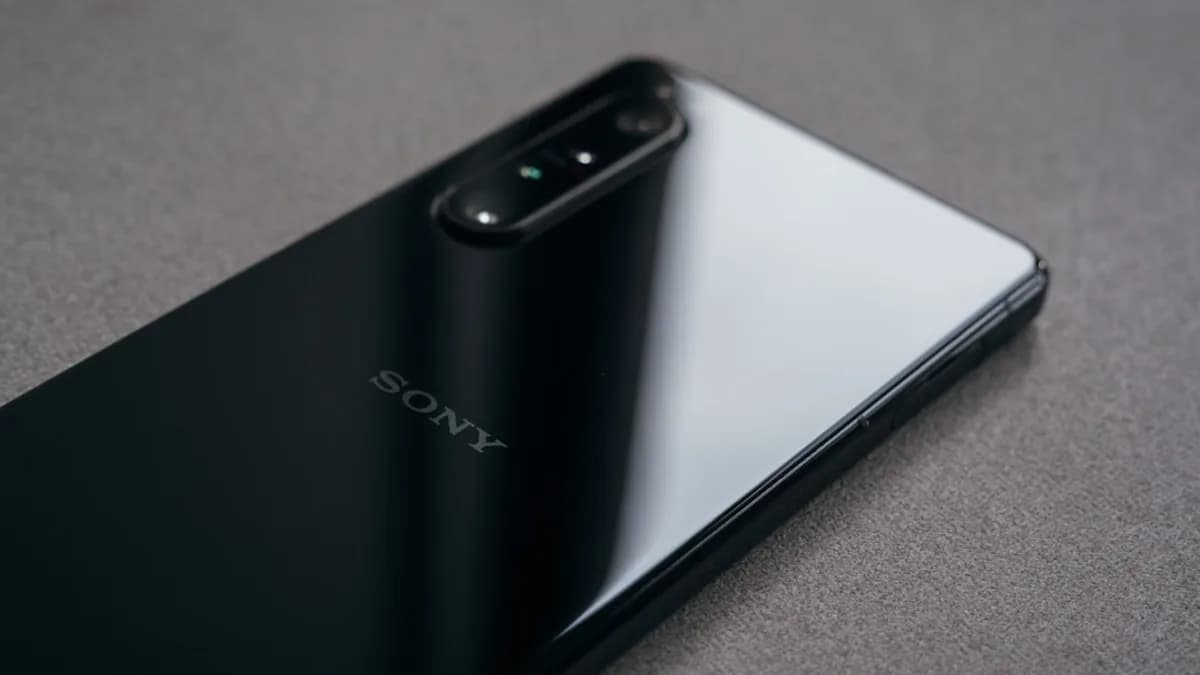
Sony’s Xperia 1 VIII is a time capsule with a €1,500 price tag: it keeps the microSD slot and 3.5mm headphone jack alive while most of the industry has exiled them. No punch-hole display, no wild battery tech, and no frantic race to shave off every last port—just the kind of design choices that have become nearly extinct. According to Gsmarena, the Xperia 1 VIII stands apart in a market that’s chosen “progress” as synonym for removing features many still use daily.
Sony’s thesis is clear: serve a niche audience who care more about flexibility and familiarity than about the latest look or the thinnest bezel. The Xperia 1 VIII doesn’t try to out-gimmick the competition. Instead, it bets that there’s a class of buyers who want a phone that works with their old hardware, holds a week’s worth of RAW photos, and doesn’t force a dongle when they want wired audio. For purists and professionals, that’s not nostalgia—it’s practicality.
Evaluating the Xperia 1 VIII’s Premium Price Against Its Feature Set
Let’s get blunt: €1,500 (or £1,400) is a top-shelf price, and the Xperia 1 VIII demands a flagship premium without apologizing. Even with a free pair of WH-1000XM6 headphones—widely praised, but not new—the sticker shock is real. The bundled headphones help soften the blow, but don’t erase the fact that you’re still paying flagship money for a phone that, in some crucial respects, feels conservative.
The battery is a clear flash point. At 5,000mAh, it’s respectable but not spectacular for a device in this price range. Charging speeds—30W wired and 15W wireless—look almost quaint next to the numbers some rivals are touting. There’s no magnetic wireless solution either, a detail that won’t bother everyone but sticks out in this bracket. For €1,500, many consumers expect either bleeding-edge stamina or at least ultra-fast top-ups; the Xperia 1 VIII delivers neither.
One could argue that the Xperia 1 VIII’s unique feature set is its real differentiator. You’re paying for the privilege of true microSD expansion at a time when that’s almost extinct, and for a headphone jack that supports high-end wired listening. In that sense, the price is an entry fee into a club where legacy features haven’t been traded away for the latest aesthetic. But the tradeoff is clear: Sony is asking buyers to value these features enough to accept a battery and charging setup that, by 2024 standards, is unremarkable at best.
The Case for Prioritizing Classic Features Over Cutting-Edge Specs
There’s a vocal segment of users who never bought into the narrative that microSD slots and headphone jacks are relics. For them, these “old school” features are not just about stubbornness—they’re about control and quality. Expandable storage means never worrying about running out of space or paying a premium for more gigabytes upfront. A headphone jack means lossless sound, zero latency, and compatibility with high-end audio gear without adapters or compromises.
Sony’s design philosophy here is less about nostalgia and more about enabling workflows that matter to working professionals and audiophiles. Photographers and videographers prize microSD for quickly offloading media in the field. Musicians and sound engineers lean on wired audio for monitoring and mixing. By sticking to these principles, Sony is prioritizing use cases that the mainstream has abandoned, and in doing so, it’s carving out a fiercely loyal—if smaller—audience.
The upside? These inclusions could extend the phone’s relevance. When the industry races to the next trend, devices that stick to proven features remain useful for years. There’s real user satisfaction in a device that doesn’t force you to buy new accessories or cloud subscriptions to keep doing what you already do.
Addressing Criticisms: Is Sony’s Conservative Approach a Drawback?
The main critique is obvious: for €1,500, the Xperia 1 VIII’s battery and charging specs look like they’re stuck in 2020. The phone’s refusal to join the fast-charging arms race or to adopt showy new design trends might look—at first glance—like a lack of ambition. Some will say that if you’re charging as much as the flashiest flagships, you should deliver every spec headline, not just a couple of niche ports.
This is a fair argument. Sony is clearly not chasing the widest possible audience here. The Xperia 1 VIII’s value proposition is narrow by design: it’s for buyers who care less about charging speeds and more about physical features that have vanished elsewhere. This risks alienating a chunk of the premium market who want both retro features and all the latest flagship tricks. But for those who’ve felt left behind by the rest of the industry, Sony’s approach is a relief. The brand loyalty it earns here is hard to quantify, but the near-cult status of previous Xperia models among enthusiasts suggests Sony knows exactly who it’s targeting.
Why Consumers Should Reconsider What They Value in a Smartphone Today
If you’re tired of seeing every phone morph into the same glass slab—with the same missing ports and the same storage “options”—the Xperia 1 VIII is a rare counterpoint. It asks you to decide what matters more: another hour of screen-on time, or the freedom to swap cards and plug in headphones without adapters. In a market where “innovation” often means subtraction, Sony is quietly adding back the features many quietly miss.
This isn’t a phone for everyone—and that’s the point. The Xperia 1 VIII is a challenge to the assumption that progress means following every trend. If you miss the days when your phone let you decide how you wanted to use it, maybe this is the year to send a signal with your wallet. Real innovation sometimes means standing still when everyone else is sprinting toward the same finish line.
Why It Matters
- The Xperia 1 VIII offers rare features like a microSD slot and headphone jack that most premium phones have dropped.
- Its high price and conservative design challenge expectations of what a flagship should offer in 2024.
- This phone appeals to a niche audience, signaling that not all smartphone buyers want the same 'progress' in features.