Transforming Environmental Liabilities into Clean Energy Assets
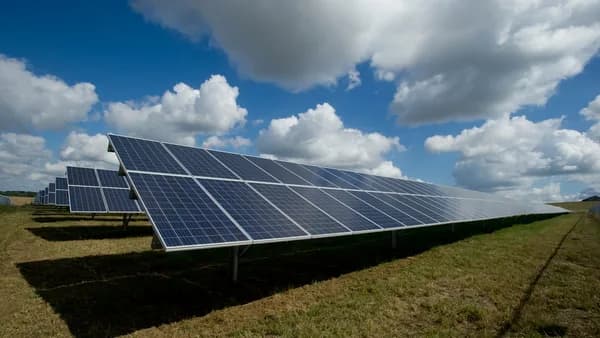
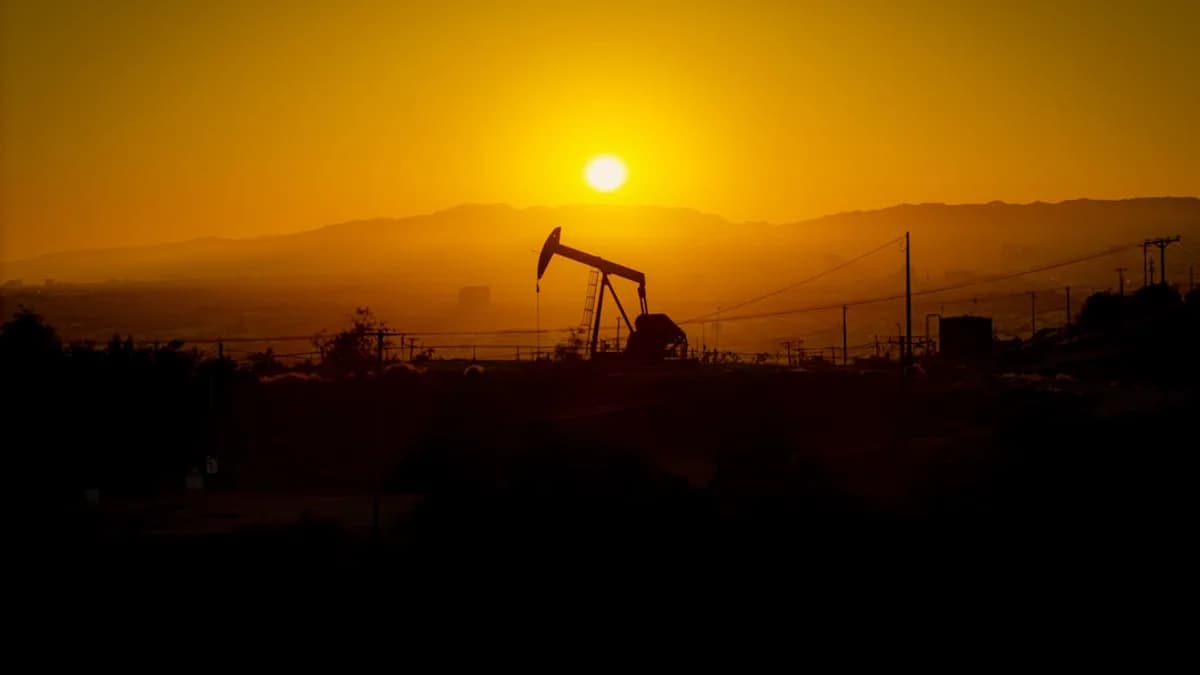
States across the US are now targeting a source of pollution they once saw as a headache: aging oil and gas wells. Instead of sealing them and walking away, officials and innovators are examining how these industrial relics could be converted into sources of clean power. The logic is simple but radical—turn a legacy liability into a renewable asset. This approach could flip the narrative on orphaned wells, shifting them from costly environmental risks to part of the clean energy solution, according to Wired.
Why the urgency? Legacy oil and gas wells often leak methane, a greenhouse gas far more potent than CO₂ in the short term. With millions of wells dotting the American landscape, the environmental burden is enormous. Traditional closure and reclamation are expensive and slow, leaving communities in limbo. Repurposing these wells for clean energy—whether geothermal, hydrogen, or another technology—offers a way to address pollution and power shortages in one move.
Quantifying the Potential: Data on Legacy Wells and Clean Energy Output
The scale of the problem is vast, even if precise numbers remain elusive. The US is crisscrossed by abandoned oil and gas infrastructure, representing both an environmental challenge and an untapped opportunity. While the Wired source does not supply exact figures, it’s clear the number of candidate wells is substantial. Their distribution spans major oil-producing regions, with the highest concentrations in states like Texas, Pennsylvania, and California.
Methane leaks from these wells contribute to local air quality issues and climate change. The EPA and other agencies have flagged abandoned wells as significant methane sources, but the total emissions remain poorly quantified. Without solid data on leakage rates or the number of viable wells for conversion, the potential clean energy output is hard to pin down. What’s clear is that even a modest fraction of these wells, if repurposed, could provide meaningful new capacity for renewables—especially in rural or remote communities where grid upgrades are slow or costly.
MLXIO analysis: The real story here is not just about raw numbers. It’s about the possibility of scaling a pilot idea into a national strategy. If enough wells can be safely and economically converted, the model could become a template for other countries wrestling with their own fossil legacy.
Stakeholder Perspectives: Industry, Environmentalists, and Policymakers Weigh In
Oil and gas companies face mounting pressure to manage the environmental footprint of their old wells. Repurposing offers a pragmatic off-ramp: rather than bearing full closure costs, they might share in the upside from clean energy projects. Environmental groups, for their part, see potential in any solution that cuts methane and accelerates decarbonization—but they remain wary about technical risks and unintended consequences, especially if conversions are poorly regulated.
Policymakers have a balancing act. They must weigh the benefits of innovation against the risk of greenwashing or shifting costs onto taxpayers. The Wired source notes a wave of state-level interest, but details about incentives, funding, or regulatory hurdles are thin. The big question: will lawmakers and regulators push hard enough to make well conversions routine, or will the bulk of the burden fall to private startups and local communities?
Lessons from History: How Past Energy Transitions Inform Repurposing Strategies
Energy transitions have always involved creative reuse—think railway lines turned into power corridors or coal plants retrofitted for biomass. The challenge is that infrastructure built for oil and gas wasn’t designed with renewables in mind. Past efforts to repurpose fossil assets have produced mixed results, often hinging on political will, financing, and public trust.
MLXIO inference: The lesson for legacy wells is clear. Success will depend not just on technology, but on local buy-in and robust oversight. Without these, even the most elegant engineering solution could stall.
Implications for the Energy Industry and Consumers in a Decarbonizing Economy
If states move aggressively to convert old wells, the effects could ripple across the energy landscape. Oil and gas operators might find new revenue streams or reduced liabilities. Rural communities could see a boost in jobs and tax base if clean energy projects take root on sites once seen as blighted. Consumers stand to gain from a grid with more distributed, low-carbon power.
But there are risks. If conversions are rushed or underfunded, they could create new hazards—mechanical failures, groundwater contamination, or financial shortfalls. The real test will be whether these projects can deliver reliable, affordable power without trading one set of environmental risks for another.
Future Outlook: Innovations and Policy Trends Driving the Second Life of Oil and Gas Wells
What happens next depends on a few critical factors. First, technology: breakthroughs in geothermal extraction, well remediation, or hydrogen production could make conversions more attractive. Second, policy: clear standards and targeted incentives could accelerate adoption, but the lack of details in the Wired source means it’s too soon to gauge legislative momentum.
What to watch: Evidence of large-scale pilot projects, real-world performance data, and public reporting on emissions reductions will be crucial. If early efforts succeed and states document measurable climate and economic gains, this strategy could move from experiment to mainstream tool in the clean energy transition.
What remains unclear is the true scale of the opportunity, the economics at commercial scale, and whether public and private interests will align. The next few years will determine if old wells become a footnote—or a foundation—for decarbonizing America’s energy grid.
Why It Matters
- Repurposing old oil and gas wells could help reduce methane emissions, a major climate concern.
- Transforming these wells into clean energy sources turns a costly environmental problem into a renewable energy opportunity.
- This innovative approach could accelerate the transition to clean energy while addressing pollution in affected communities.