Why Sony’s $100 Price Hike on Refurbished PS5 Slim Signals a Shift in Gaming Market Dynamics
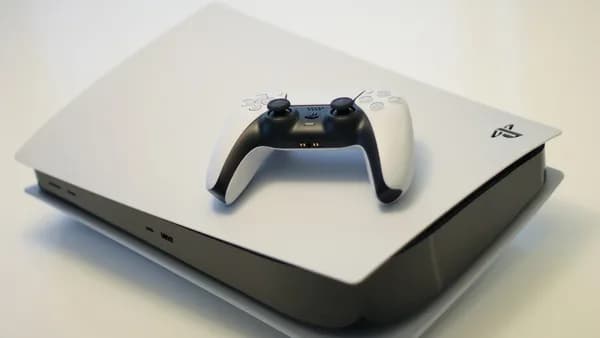
Sony just torched the bargain bin for its latest consoles. The company slapped a $100 price hike on Certified Refurbished PS5 Slim units, pushing the Digital Edition to $499.99 and the disc-drive model to $549.99, according to Notebookcheck. That’s not just sticker shock—it’s a clear signal that the era of sub-$400 PS5 deals is fading fast.
The timing isn’t accidental. Sony’s $399 Fortnite bundle flew off shelves, leaving only the older “Fat” refurbished PS5 at that price point. Every other new or refurbished PS5 Slim now costs substantially more. This isn’t just a supply squeeze; it’s Sony actively reshaping its pricing tiers. The company is betting that demand remains robust—even as the most affordable options vanish.
For budget-conscious gamers, the fallout is immediate and painful. The cheapest entry point to the current generation PlayStation is now mostly limited to legacy inventory. Sony’s move forces buyers to either pay more or settle for older hardware. The company is tightening its grip on pricing power, hinting at a strategic shift similar to what Apple did with iPhones: pushing premium models and letting the lower-tier options quietly disappear. The question is whether Sony’s confidence will hold as inflation and competition from Microsoft and Nintendo intensify.
Crunching the Numbers: How PS5 Pricing Trends Have Evolved Over the Last Year
The PS5 price ladder has grown steeper over the past 12 months. In early 2023, new PS5 Standard Editions hovered around $499, while Digital Editions dipped as low as $449. Refurbished “Fat” PS5s regularly sold for $399, making them a lifeline for budget buyers. The $399 Fortnite bundle briefly made the Slim model accessible, but that was a fleeting window.
By June 2024, Sony’s Certified Refurbished PS5 Slim Digital jumped to $499.99—a 25% increase from previous refurb pricing. The disc-drive Slim refurb sits at $549.99, matching the MSRP of new units. The $399 Fortnite Slim bundle vanished within weeks, and “Fat” refurbished PS5s at $399 now represent one of the last sub-$400 options.
Market data shows the impact. According to NPD Group, PS5 sales volume spiked during promotions and bundle deals below $400, then softened as prices rebounded. Sony’s own quarterly reports revealed a slowdown in unit sales after the end of major discounts, even as revenue per console climbed. The disappearance of affordable bundles is not just a supply issue—it’s a deliberate pricing strategy.
Compared to historical pricing, the gap is glaring. In late 2021, refurbished PS4 Pros routinely sold for $299. Sony’s refusal to offer the Slim at similar markdowns marks a break from past cycles, where older or refreshed models would fill the entry-tier void. The current pricing structure signals Sony is prioritizing margin over volume, at least for now.
Diverse Stakeholder Perspectives on Rising PS5 Prices: Gamers, Retailers, and Sony’s Strategy
Gamers aren’t mincing words. Social forums and Reddit threads are flooded with complaints about the shrinking pool of affordable PS5 options. Many see the $100 hike as a slap in the face, especially after Sony’s repeated promises to broaden access. For every player ready to pay up, there’s another reconsidering a switch to Xbox Series S or Nintendo Switch OLED—which, at $349 and $329 respectively, undercut Sony’s current entry points.
Retailers face their own dilemma. Inventory churn for the $399 “Fat” refurb PS5s is rapid, but replenishment is spotty. Some chains report increased returns and slower movement on pricier Slim models, especially refurbished units now priced close to new hardware. With razor-thin margins on consoles, retailers have little room to maneuver and are forced to push bundles or upsell accessories to salvage profitability.
Sony’s rationale is more calculated. The company knows refurbished units cannibalize new sales, and a price hike helps limit that risk. Sony’s console lifecycle strategy has always relied on pushing early adopters toward the latest hardware, then gradually raising prices as supply stabilizes. By setting Slim refurb prices near MSRP, Sony signals confidence in demand elasticity—expecting enough buyers will pay a premium for warranty-backed, lightly used hardware.
But the evidence is mixed. While revenue per unit is up, unit sales are softening. Sony risks alienating price-sensitive gamers, especially as inflation bites and global competition intensifies. The company’s tightrope walk between margin maximization and user base expansion is getting riskier.
From Fat to Slim: How Sony’s PS5 Model Evolution Influences Market Pricing and Consumer Choice
Sony’s transition from the original “Fat” PS5 to the Slim model wasn’t just about aesthetics or form factor. The Slim, launched in late 2023, cut physical size by nearly 30%, but the launch MSRP stayed high—$499 for Digital, $549 for disc-drive. Sony’s marketing focused on newness and efficiency, but price-conscious buyers saw little incentive to upgrade, especially with “Fat” refurb units holding at $399.
Refurbished “Fat” PS5s became the go-to for bargain hunters. Their lower price, combined with identical performance, kept them attractive even as the Slim took center stage. Sony’s decision to raise Slim refurb prices and let “Fat” refurbs dwindle signals a move to limit the budget segment, pushing buyers toward either new Slim models or pricier refurb options.
The introduction of newer models always resets value perceptions. When the PS4 Slim launched in 2016, Sony kept the PS4 “Fat” in circulation at lower prices for nearly a year, sustaining budget sales. The current strategy deviates from that playbook: Sony is accelerating the phase-out of affordable alternatives, tightening inventory, and hiking prices faster.
Why does this matter? Budget-friendly consoles are often entry points for younger gamers or those less committed to the platform. By shrinking these options, Sony risks slowing adoption rates, especially in emerging markets and among casual players. The price gap between old and new models is widening at a pace not seen in previous generations.
What Rising PS5 Prices Mean for Gamers and the Console Market in 2024
The fallout from disappearing sub-$400 PS5 deals is more than a temporary inconvenience. For millions of gamers, especially outside North America and Western Europe, price is often the deciding factor in platform choice. Sony’s strategy risks ceding ground to rivals. Xbox Series S’s $349 price tag and Nintendo Switch's consistent sub-$350 pricing are now more attractive to budget shoppers.
Data from Statista shows Sony’s PS5 market share plateaued at around 54% in Q1 2024, down from 58% a year prior. Analysts cite pricing pressure and limited entry-tier options as key factors. Accessibility is also taking a hit—lower-income households and younger gamers face higher hurdles to joining the PlayStation ecosystem.
Consumer behavior is shifting. More buyers are hunting used consoles on eBay or Facebook Marketplace, driving up prices for secondhand units. Some are opting for older PS4s, which still service a robust library of games and online features. Others are migrating to PC gaming, where hardware is modular and upgradeable, and deals are easier to find.
Sony’s brand loyalty remains strong, but it’s being tested. The risk isn’t just losing sales—it’s losing future engagement. Gamers who opt for Xbox or Switch today may not return to PlayStation for the next cycle. The shrinking pool of affordable options throws Sony’s market dominance into question, especially as cloud gaming and subscription services gain traction.
Predicting the Future: How PS5 Pricing and Availability Could Shape the Gaming Landscape
Sony’s next moves will decide whether the PS5 stays king or slips. Expect further price adjustments—either through limited-time bundles, retailer rebates, or targeted regional discounts. If supply chain pressures ease and inventory builds, Sony may cut prices to stimulate lagging unit sales. But given the company’s current posture, don’t count on a return to $399 Slim deals anytime soon.
The wild card is next-gen development. Rumors of a PS5 Pro or PS6 could spark inventory dumps and temporary price drops, but only if Sony needs to clear stock. If new hardware comes late 2024 or early 2025, the pricing gap could widen even further, making PS5 Slim refurb units look less like bargains and more like relics.
Refurbished consoles will stay relevant—but their role is shrinking. With Sony pricing refurbs near new units, only legacy “Fat” PS5s offer real savings, and those supplies are dwindling. Unless Sony reverses course or faces unexpected competition, the budget segment will rely increasingly on third-party sellers, with all the risks that entails.
The most likely scenario: Sony maintains premium pricing on refurbs, tests the market’s tolerance, and only reopens sub-$400 deals if unit sales sag. Watch for aggressive moves by Microsoft and Nintendo, who may seize the opportunity to lure price-sensitive gamers. For Sony, the risk isn’t just losing today’s sale—it’s losing the next generation of loyal players.
The Bottom Line
- Sony's price hike eliminates affordable refurbished PS5 Slim options, impacting budget gamers.
- The move signals a strategic shift toward premium pricing and reduced lower-tier inventory.
- Increased prices may drive consumers to consider competitors or older hardware, reshaping market dynamics.