Reeflex G-Series Ultra Telephoto Lens Delivers 24x Zoom for iPhone 15-17 Pro and Galaxy S26 Ultra
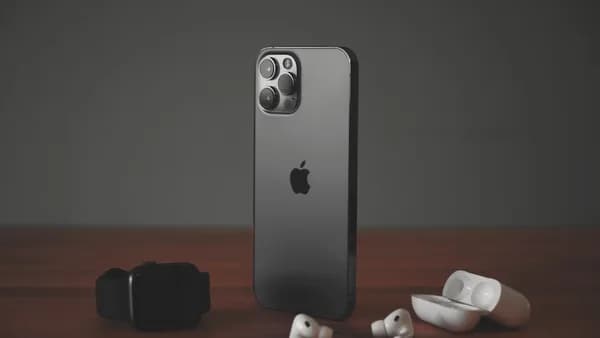
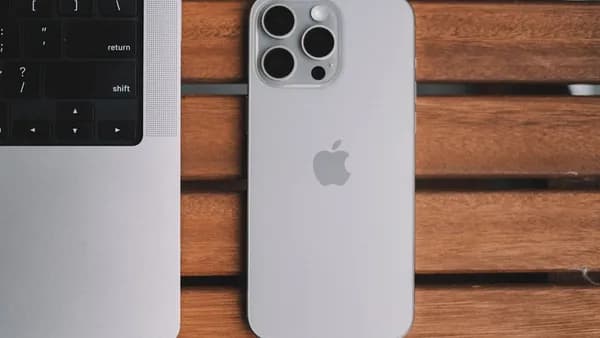
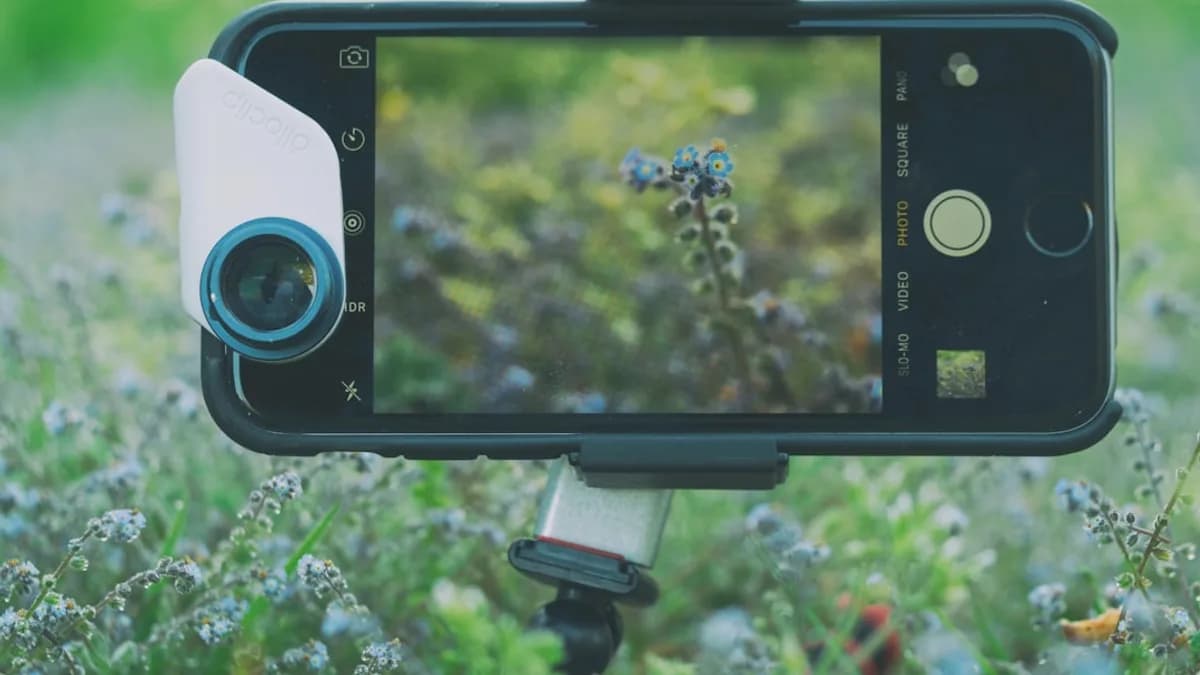
A 310-gram telephoto lens now unlocks up to 24x optical zoom on iPhone and Samsung flagships, threatening to cannibalize entry-level pro camera sales. The Reeflex G-Series Ultra Telephoto, just announced, clamps onto the iPhone 15 Pro, iPhone 16 Pro, iPhone 17 Pro, and Samsung Galaxy S26 Ultra, pushing mobile cameras to a 600mm equivalent focal length—territory once reserved for $5,000 Sony E-mount mirrorless rigs, according to Notebookcheck.
The lens multiplies the existing 3x telephoto module found in recent iPhones, delivering a 3x optical boost—transforming a typical 5x phone zoom into a 15x, and a 12x digital zoom into a crisp 24x optical reach. Where most smartphone accessories top out at 6x-10x before image quality tanks, the Reeflex pushes past that threshold without the pixel mush that plagues digital zoom.
Sample photos and video clips released by Reeflex show readable car plates at 200 meters, distant wildlife details, and stabilized handheld shooting at extreme focal lengths—results that would normally require a tripod and a shoulder-slung mirrorless body. The company credits the performance to custom lanthanum glass elements, a material rarely used outside pro-grade optics.
This accessory shifts the value equation for mobile shooters, especially journalists, travelers, and creators who need pro-grade zoom in a pocketable package. If its claims hold up, Reeflex is erasing the old line between smartphones and $5,000 camera kits.
How the Reeflex Lens Enhances Mobile Photography with Professional-Grade Zoom
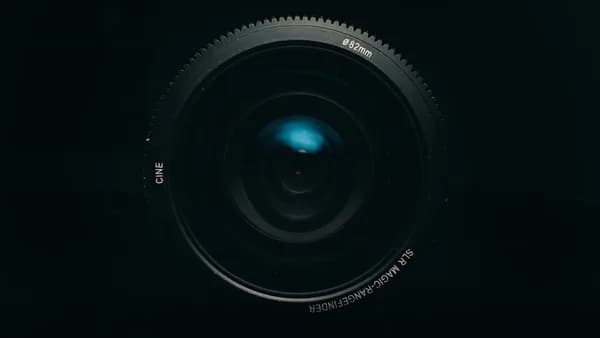
The technical leap comes from pairing lanthanum glass with a 3x optical multiplier, a method more often found in cinema-grade teleconverters than smartphone add-ons. Lanthanum boosts light transmission and reduces chromatic aberration—minimizing color fringing and sharpness loss even at 24x magnification. Most smartphone zooms use plastic or low-grade glass, which scatter light and smear details at long focal lengths.
In side-by-side shots published by Reeflex, the difference isn’t subtle: text on distant billboards remains crisp, and feather patterns on birds are distinguishable at 400+ meters. Video samples show smooth autofocus and impressive stabilization, partly thanks to the iPhone's native sensor-shift tech working in tandem with the lens. Unlike digital zoom, which crops and interpolates, Reeflex maintains native resolution through the optical path.
By comparison, the iPhone 15 Pro Max's native 5x telephoto maxes out at 120mm equivalent, and the Galaxy S23 Ultra's 10x periscope lens hits 230mm. The Reeflex blows past both, offering a genuine 600mm reach—without the usual softness or color bleed seen on clip-on telephotos from Moment, Sandmarc, or Olloclip.
For mobile-first photographers, this means wildlife, sports, and candid street photography can be tackled without lugging a DSLR or mirrorless kit. Pros covering events or breaking news may find this a credible backup when security or speed makes pro bodies impractical. For content creators, it signals a new way to get close-ups that previously required heavy, conspicuous gear.
What the Reeflex Lens Means for the Future of Smartphone Photography and Zoom Tech
If Reeflex’s lens performs as advertised, it could reset expectations for what a smartphone camera can do. Until now, the mobile accessory market has been dominated by wide and macro lenses, with telephoto add-ons seen as a gimmick—rarely delivering sharp images past 10x. A truly sharp 24x optical zoom threatens to siphon off casual wildlife, sports, and event shooters from the mirrorless market just as Sony, Canon, and Nikon are battling for the high-end hybrid creator.
The launch also raises the bar for Samsung and Apple. If third-party glass can triple the reach of native telephoto modules, expect pressure for in-house lens upgrades or deeper partnerships with optical specialists. Compatibility with the unreleased iPhone 17 Pro and Galaxy S26 Ultra signals Reeflex is betting on long-term demand—and rapid iteration from phone makers.
Pricing and availability will determine whether this lens becomes a pro staple or an enthusiast curiosity. If Reeflex keeps the price under $500, it could undercut not just Sony’s $5,000 full-frame kits but also the $800-$1,200 telephoto primes that hobbyists currently buy. Expect early reviews to scrutinize real-world sharpness, autofocus lag, and low-light performance—weak points for past mobile telephoto attempts.
The next battlefront: portability and stabilization. If Reeflex can trim weight, boost compatibility, and pair with AI-driven image stacking, traditional camera makers may finally feel real heat from the smartphone sector. The line between phone and pro camera is blurring fast—and Reeflex is betting that “good enough” is now “pro grade.”
Why It Matters
- Smartphone photography now rivals expensive professional camera setups for extreme zoom.
- The Reeflex accessory could make high-quality, long-distance shots accessible to more consumers.
- Journalists, creators, and travelers may no longer need bulky, costly gear for pro-grade imaging.