Sony’s PS5 Bundle Discount Isn’t Just a Deal—It’s a Strategic Pivot
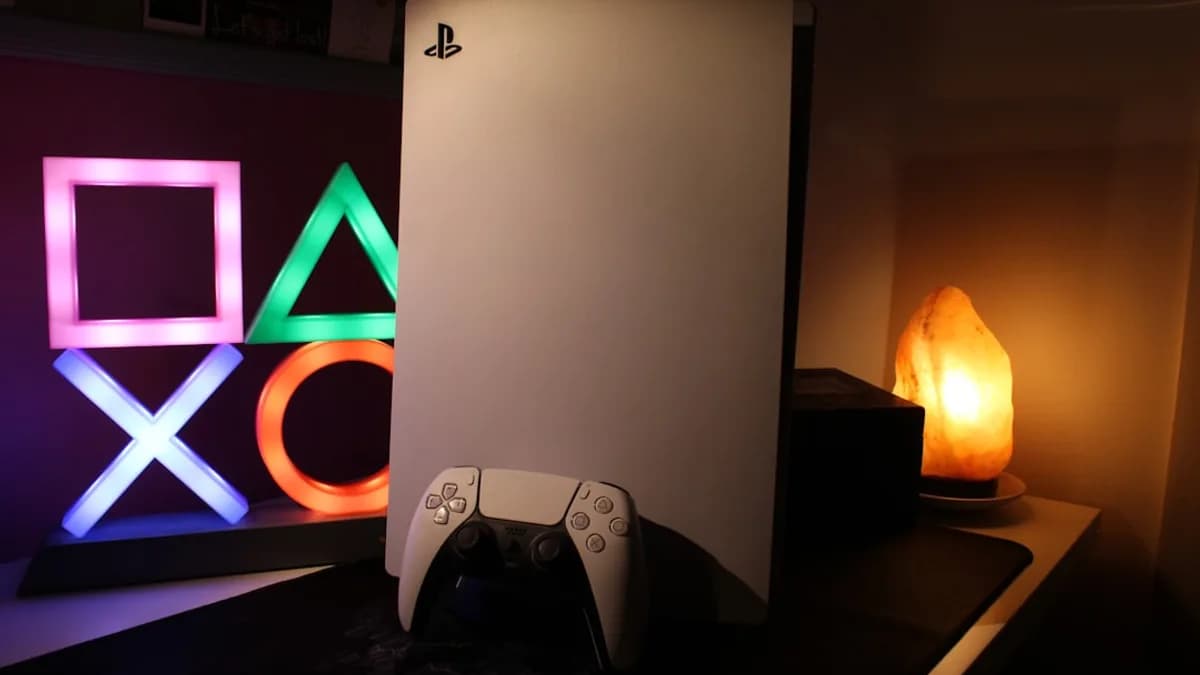
Sony rarely walks back price hikes, but this week’s $50 cut on the PS5 Disc Edition bundle—with a free $69.99 game thrown in—marks a sudden shift. Back in March, Sony stunned buyers by raising the PS5’s price to $649.99, citing “inflationary pressures” and supply chain challenges. Now, the official PlayStation Store is offering the bundle at $599.99, a move that undercuts its own recent pricing decisions and signals a recalibration in response to cooling demand and sharper competition from Microsoft and Nintendo according to Notebookcheck.
The timing isn’t random. Sony’s discount lands just before the summer sales cycle and ahead of major game launches—prime moments when buyers expect deals. Xbox Series X has been steady at $499—and routinely sees bundle discounts—while Nintendo’s Switch OLED, now at $349, is eating into casual gamer market share. Sony’s price cut is less about generosity and more about staving off stagnation: PS5 sales growth has slowed for three straight quarters, and the company’s forecast for the fiscal year ending March 2025 is flat compared to previous projections. This bundle isn’t just a sweetener; it’s a sign Sony feels real pressure to move inventory and defend its territory.
Breaking Down the Numbers: Buyers Get More Bang for Their Buck—But Is It Enough?
The math is unambiguous. Sony’s new bundle prices the PS5 Disc Edition at $599.99, a $50 drop from the recent high, and includes a free game that retails for $69.99. Total savings: $119.99 compared to buying the console and game separately at last month’s prices. Buyers who waited out the spring price hike find themselves rewarded; those who bought early are left holding the bag.
Compare this to Xbox’s deals: Microsoft often pairs its Series X with Game Pass trials, but rarely with full-price titles. The most recent Xbox Series X “Forza Horizon 5” bundle retailed for $549.99—$50 less than Sony’s offer, but without the premium $70 game. Nintendo’s Switch bundles don’t touch this value, but they target a different segment.
The real question: does this bundle shift the value equation enough to reignite demand? Most core PS5 buyers already own headline games like “Spider-Man 2” or “Final Fantasy XVI.” The deal appeals most to fence-sitters and late adopters, not the early enthusiasts. That’s precisely who Sony needs now as the installed base growth plateaus and the company’s next-gen pipeline (PS5 Pro rumors, VR2 uptake) remains uncertain.
Stakeholder Perspectives: Consumers Cheer, Retailers Adapt, Sony Maneuvers
Consumers are quick to react. Forums and social media threads fill with buyers expressing relief or frustration, depending on when they purchased. For late adopters, the bundle is a windfall: they get the console at a lower price and a top-tier game gratis. Early buyers, especially those stung by March’s price hike, vent about the whiplash and question Sony’s pricing consistency.
Retailers face a more complicated calculus. Inventory purchased at the higher wholesale price now risks sitting unsold, unless Sony offers back-end rebates or price protections. Some chains may accelerate bundle promotions to clear shelves before the next hardware refresh. Others—especially online marketplaces—may see a surge in secondary market sales as buyers offload unused bundles or games.
Sony’s motivations are multifaceted. Inventory management is front and center: global PS5 shipments hit 59.3 million as of March 2024, but sales are slowing in key regions like North America and Europe. Bundling helps push units without outright slashing prices, preserving brand equity. The free game is a cost-effective incentive: digital distribution reduces marginal costs, and it can drive engagement in the PlayStation Network, boosting microtransaction and DLC revenue.
Historical Pricing Trends of the PS5: Price Spikes, Supply Squeezes, and Discount Cycles
The PS5 Disc Edition launched in November 2020 at $499.99, instantly selling out and sparking a year-long supply drought. Scalpers pushed resale prices above $1,000 in early 2021. Sony spent much of 2022 and 2023 navigating chip shortages, freight bottlenecks, and component price spikes, all of which kept retail prices elevated and bundle deals sparse. The March 2024 price increase to $649.99 was unusual—Sony has rarely raised hardware prices post-launch except in select markets (see the 2022 price hikes in Europe and Japan).
Discounts, when they arrived, were measured and usually tied to major releases or holidays. Black Friday 2023 saw bundles drop to $499.99 with a free game, but only for a few days. The current $599.99 bundle is less aggressive than last year’s deals but reflects Sony’s need to balance profitability with market share as the console enters its mid-life phase.
Chip shortages and supply chain snarls have eased in 2024, but not entirely. Sony’s pricing has tracked component costs and inventory levels closely; the March hike was tied to increased manufacturing expenses. Now, with supply stabilizing and demand softening, the price cut is both a response and a tactic: move units before the next model refresh, and reset consumer expectations for what a “fair” PS5 price looks like.
The Ripple Effect: How This Bundle Price Cut Could Reshape Gaming in 2024
Sony’s move will reverberate beyond its own sales figures. Lower entry costs mean more new players in the PS5 ecosystem, which lifts game sales, online subscriptions, and accessory demand. Bundles are proven catalysts: after the PS4’s 2016 holiday bundle campaign, software sales jumped 15% year-over-year, and PlayStation Plus subs surged.
Competitors will take notice. Microsoft has kept the Series X price steady but has room to maneuver—expect targeted bundles and Game Pass incentives as the holiday cycle nears. Nintendo, less directly threatened, may respond with more aggressive Switch OLED promotions, aiming for the family and casual crowd.
Game developers stand to benefit from a larger installed base, but face new pressures. Bundled games, especially first-party titles, can cannibalize standalone sales and reduce attach rates for third-party releases. Accessory manufacturers—from controller makers to VR headset providers—may see spikes in demand, but also tighter margins as bundle pricing resets consumer expectations.
For consumers, the price cut signals that waiting pays. If Sony continues to discount, buyers may hold off purchases, anticipating better deals—potentially slowing sales in the short term, but broadening adoption over the long run.
Forecast: Expect More Price Moves as Sony Eyes PS5 Pro and Holiday Surge
Sony’s current bundle discount isn’t likely to be the last. The industry pattern is clear: as hardware matures and adoption slows, price cuts and bundles become the main levers to sustain momentum. With rumors swirling about a PS5 Pro launch in late 2024 or early 2025, Sony has incentive to clear older inventory and reset the market for a premium refresh.
Upcoming blockbuster releases—like “Wolverine” and “Grand Theft Auto VI”—will serve as anchors for future bundle deals. Sony may experiment with deeper discounts, regional price adjustments, or limited-time offers tied to game launches, especially if sales lag projections. The company’s profitability, driven as much by digital content and services as hardware, gives it flexibility to use bundles as loss leaders.
Expect sharper competition in the next 12-18 months. Microsoft will counter with Game Pass expansions and hardware promos; Nintendo’s next-gen Switch is rumored for 2025 and will push Sony to keep its pricing aggressive. If the PS5 Pro arrives, Sony will likely segment its pricing: premium for new hardware, sustained discounts for legacy models.
For buyers, the lesson is clear: patience is rewarded. For the industry, Sony’s move is a sign that the console wars are entering a new phase—one defined less by raw hardware specs and more by value, accessibility, and strategic pricing. The next year will be a test of how well Sony can balance inventory, market share, and profitability as gaming’s center of gravity shifts.
The Bottom Line
- Sony’s price cut on the PS5 bundle signals a shift in strategy amid slowing sales and tough competition.
- Buyers now get greater value, with a $50 price drop plus a free game worth $69.99, saving $119.99 versus last month.
- This move may pressure rivals and reshape console pricing as summer sales and new game launches approach.