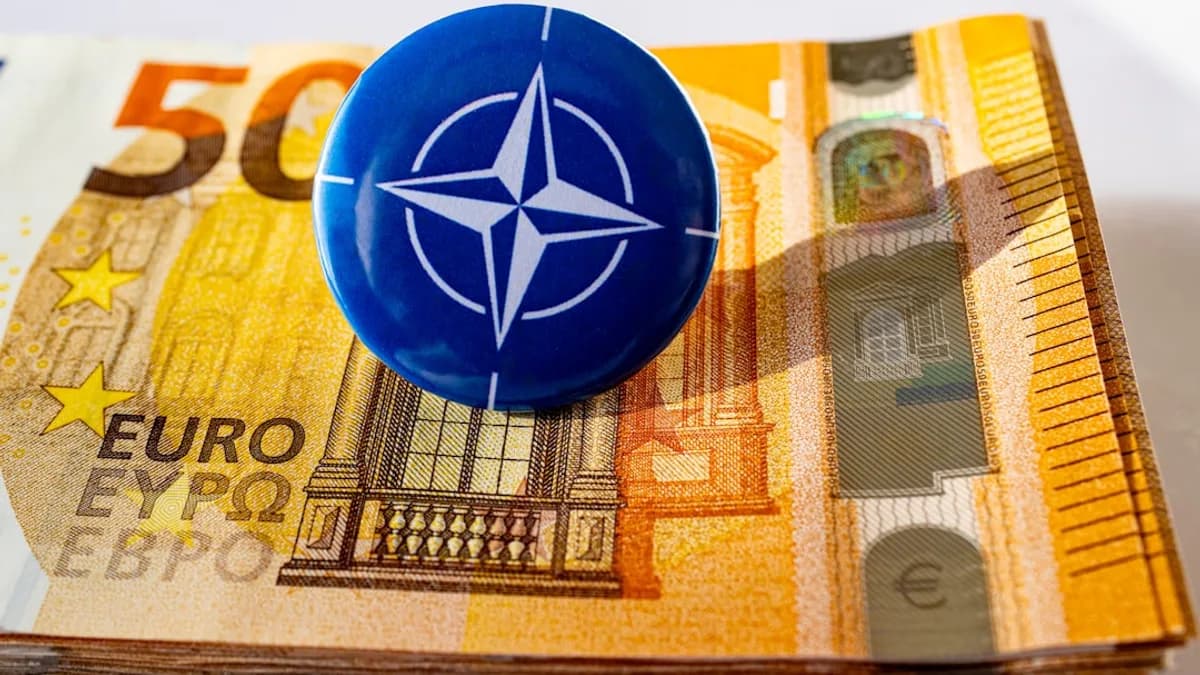
European Countries Step Up as NATO Faces U.S. Retrenchment
European NATO members have accelerated their leadership roles as the U.S. signals a step back from traditional alliance commitments. This shift has surged to the top of political and market discussions, driven by a cluster of high-profile analyses and opinion pieces questioning both the current and future structure of NATO with or without active U.S. participation. The buzz reached critical mass after a wave of commentary—including NPR, The New York Times, and The Atlantic—amplified the possibility that U.S. disengagement is not just rhetoric but increasingly reflected in policy moves and alliance budgeting according to NPR.
The spike in search and news attention is not just about defense policy—it’s a referendum on European sovereign risk, fiscal strategy, and the balance of power in global security. As speculation about a possible U.S. NATO exit circulates, analysts and politicians are openly questioning whether Europe can—or should—fill the vacuum.
European Fiscal and Security Calculus: Scrambling for Autonomy
Under the surface, European capitals are recalculating both defense spending and political coordination. Reporting from Reuters highlights real-time debates over "fiscal creativity"—a euphemism for finding legal and financial workarounds to increase military budgets without triggering domestic backlash or breaching EU fiscal rules. This is no longer theoretical: Reuters points to emerging discussions of joint EU bonds, off-balance-sheet financing, and more aggressive pooling of resources.
European leaders are not just reacting to American rhetoric. They’re already shifting procurement and defense R&D strategies, accelerating pan-European projects that reduce reliance on U.S.-origin technology and logistics. NPR details how Germany, France, and Poland are taking on operational roles once managed by U.S. commands, and France is pushing for greater EU strategic autonomy. This is a profound change from the past decade, when European NATO members often underfunded their obligations, assuming the U.S. security umbrella was non-negotiable according to NPR.
Key Players: Shifting Roles in a Fragmenting Alliance
The current pivot is driven by a handful of high-profile leaders and defense ministries. France and Germany have publicly committed to increasing defense budgets and are brokering deals for joint procurement of air defense, cyber, and intelligence assets. Poland has signaled it will surpass the commonly cited 2% GDP defense spending threshold. Meanwhile, EU financial technocrats are working on legal mechanisms for joint EU defense financing—an idea that was politically toxic even two years ago.
On the other side of the Atlantic, Donald Trump’s repeated threats to withdraw the U.S. from NATO—scrutinized in The New York Times and The Atlantic—have forced European policymakers to treat the possibility as actionable, not just campaign rhetoric. The Atlantic’s analysis argues that even without a formal U.S. withdrawal, the alliance already functions in "Europe Without America" mode. That uncertainty is driving real changes in European procurement and planning cycles according to The Atlantic.
Market and Industry Ripples: Defense, Debt, and Risk Pricing
NATO’s possible reconfiguration isn’t just a diplomatic story—it’s moving markets, particularly in defense, sovereign debt, and risk insurance. Reuters’ Breakingviews column notes that any credible threat of U.S. disengagement would force a creative approach to EU fiscal rules, possibly opening the door to eurobonds specifically aimed at defense spending. That would mark the single largest policy shift in EU-level fiscal management since the pandemic. For debt markets, this means new classes of EU-backed securities and a likely repricing of European sovereign risk—especially for countries with high defense exposure and limited fiscal bandwidth.
European defense contractors are signaling increased R&D investment and joint-venture discussions, especially in air defense and cybersecurity, according to NPR. Insurance and risk markets are already adjusting models to reflect both the probability and potential costs of reduced U.S. guarantees.
What’s Different Now: Concrete Fiscal Measures
While threats to NATO unity have surfaced before, this cycle is different. European governments are not just talking about autonomy; they are actively drafting legal, financial, and operational frameworks for a post-U.S. alliance structure. This realignment is both a market opportunity and a source of volatility: sovereign debt spreads, defense stock valuations, and project financing pipelines are all in play.
Evidence to Monitor Over the Next Year
The next twelve months will test whether Europe’s rhetorical shift hardens into institutional change. Evidence to watch:
- Any formal EU proposals for joint defense bonds or off-budget military spending mechanisms (as flagged by Reuters).
- Delivery of multi-country defense projects, especially in air defense and cyber, with reduced U.S. content.
- Official commitments to defense spending above 2% of GDP by France, Germany, and Poland.
- U.S. political developments—especially the 2024 election cycle—that could either cement or blunt this realignment.
If even one of these indicators materializes, markets will have to price in a fundamentally different European security architecture—one that could trigger a rebalancing of both financial and strategic risk in the region.
For now, the only certainty is that Europe is planning for the possibility, not just the threat, of managing NATO—or its successor—on its own according to NPR.