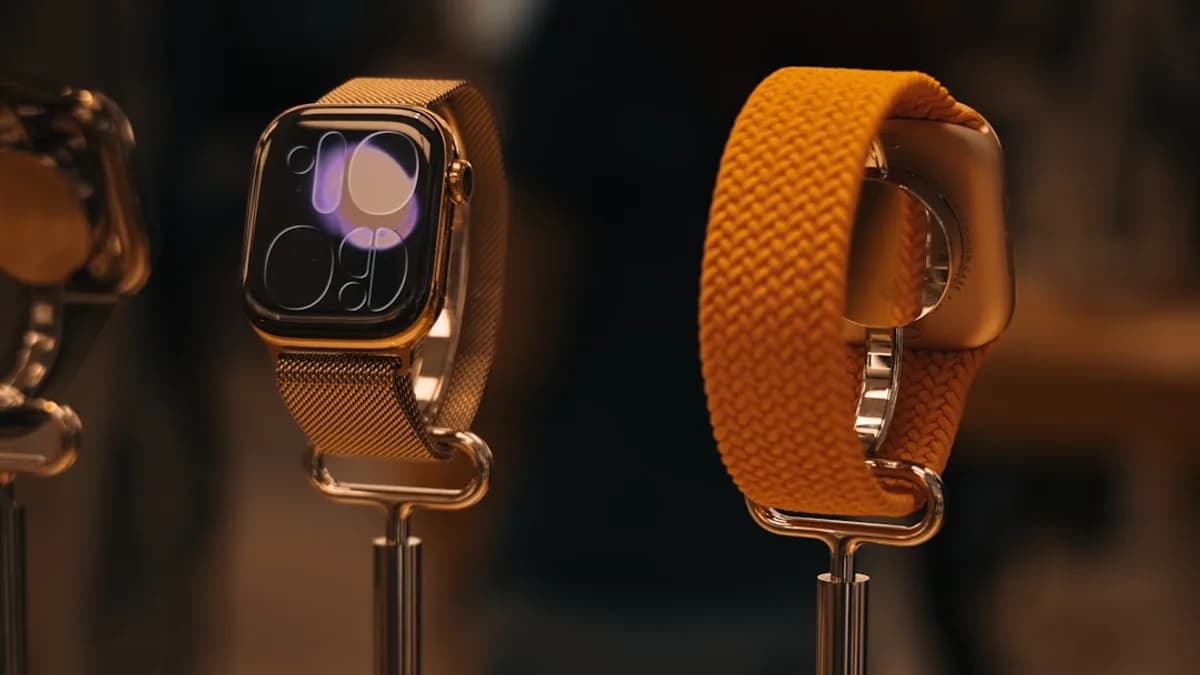
Why Simple Fitness Bands Still Matter in the Age of AI Health Technology
Fitness bands used to stand for minimalism: a discreet nudge on your wrist, counting steps and maybe tracking your sleep, without the constant buzz of notifications or a full operating system to tinker with. The appeal was obvious—less expensive than smartwatches, lighter on the wrist, and free from the information overload that has started to plague many wearables. In the AI health boom, though, that simplicity is under threat, as bands are asked to do more without crossing into smartwatch territory.
As The Verge notes, the core value of a fitness band lies in its casual promise: better yourself, but don’t obsess. Many buyers want to avoid the feature creep and relentless connectivity that come with more advanced devices. They’re looking for something that just works—no learning curve, no app fatigue, and no premium price tag. But as AI-powered health features become table stakes, even these basic bands are getting smarter, raising the question: can they stay simple?
How Have Fitness Bands Evolved with the Rise of AI in Health Monitoring?
Originally, fitness bands tracked steps, basic heart rate, and sometimes sleep—nothing more. That clarity is blurring as manufacturers layer in AI-driven features. Newer models now offer more detailed metrics, sometimes hinting at the kind of continuous health insights once reserved for flagship watches.
The shift isn’t just about more sensors. AI promises better accuracy, cleaner data, and the potential for tailored guidance. Yet, this creates a tradeoff. With every new algorithm or feature, the band risks becoming more like the very devices it’s supposed to be an alternative to. As The Verge points out, the challenge is integrating smarter insights without overwhelming the user or blowing up the price.
Some bands now display more complex information, nudging users to engage with their health data more thoughtfully. Others quietly crunch numbers in the background, aiming to surface only the most relevant feedback. The tension is obvious: every AI upgrade chips away at the casual, “just put it on and forget it” philosophy.
What Are the Practical Benefits of AI-Enhanced Fitness Bands for Everyday Users?
AI has the potential to make health data more actionable. For users, that means less guesswork—trends and behaviors become clearer, and small shifts in activity or sleep are flagged in ways that basic trackers missed. While the source doesn’t list specific AI-powered recommendations, the direction is clear: smarter feedback, not just more numbers.
Motivation is another benefit. Subtle nudges and adaptive goals can help users stick with healthy habits longer. But this upside comes with caveats: the more data collected, the greater the privacy stakes. Users have to trust that the data their band collects—often intimate health details—is handled securely and not misused. The Verge raises this concern, though specifics on privacy measures remain sparse.
The challenge for brands is to deliver AI-powered insights without making users feel surveilled or overwhelmed. The best bands walk that line by surfacing only the most meaningful guidance, keeping the UI clean, and making it easy to ignore the noise.
Can a Simple Fitness Band Replace More Complex AI Health Devices?
For many users, a basic fitness band is enough. If you want to track steps, log sleep, and get a rough sense of your heart rate, there’s little reason to pay a premium for more. The Verge makes clear that these bands are not meant to be phone companions or mini medical devices—they’re for the casual user, not someone chasing granular biometrics.
But there are limits. Fitness bands aren’t built for medical-grade accuracy or deeper health diagnostics. If you need ECG readings, blood oxygen monitoring, or integration with advanced health platforms, you’re in smartwatch or medical device territory. The choice comes down to lifestyle: do you want a gentle nudge, or do you need a wrist-based lab?
Many buyers prefer the simplicity and price of a fitness band, accepting the tradeoff in features. But as bands get smarter, some will find the line blurring—and may have to choose between “just enough” and “a little too much.”
How One User’s Experience Shows the Impact of AI in a Basic Fitness Band
Consider a user who moved from a classic step counter to a newer band boasting AI-powered features. Their routine didn’t change much: wear the band all day, check steps, glance at sleep quality. But the AI quietly worked in the background, surfacing patterns—a week of poor sleep, a dip in average steps on weekends—that prompted small adjustments.
The user didn’t feel bombarded with notifications or complicated metrics. Instead, the band’s insights nudged them to walk more during the workweek and set a more consistent bedtime. The experience underscores a key point from The Verge: when done right, AI can make fitness bands more helpful without making them overwhelming.
What We Know, What’s Unclear, and What to Watch
Fitness bands are evolving. They’re being pulled between the simplicity that made them popular and the AI-driven features that now define the health tech market. The Verge’s coverage highlights the appeal—and risks—of this shift: better insights can help, but overload and privacy concerns remain real threats.
What’s unclear is where manufacturers will draw the line. Will bands keep their minimalist appeal or morph into stripped-down smartwatches? How AI features are implemented—whether as seamless, background enhancements or intrusive add-ons—will decide their fate.
The next phase for fitness bands will be defined by restraint as much as innovation. Users should watch for devices that add intelligence without sacrificing ease of use or transparency around data handling. The best bands will be the ones that remember why people wanted them in the first place: simple, affordable, and just enough to make a difference—without taking over your wrist, your day, or your data.
Why It Matters
- Simple fitness bands offer affordable access to health tracking without the information overload.
- The evolution of AI in wearables challenges the balance between simplicity and smarter features.
- Consumers face decisions about choosing devices that match their lifestyle and data preferences.