Why DDR6 Development Advances Amidst a Global DRAM Downturn
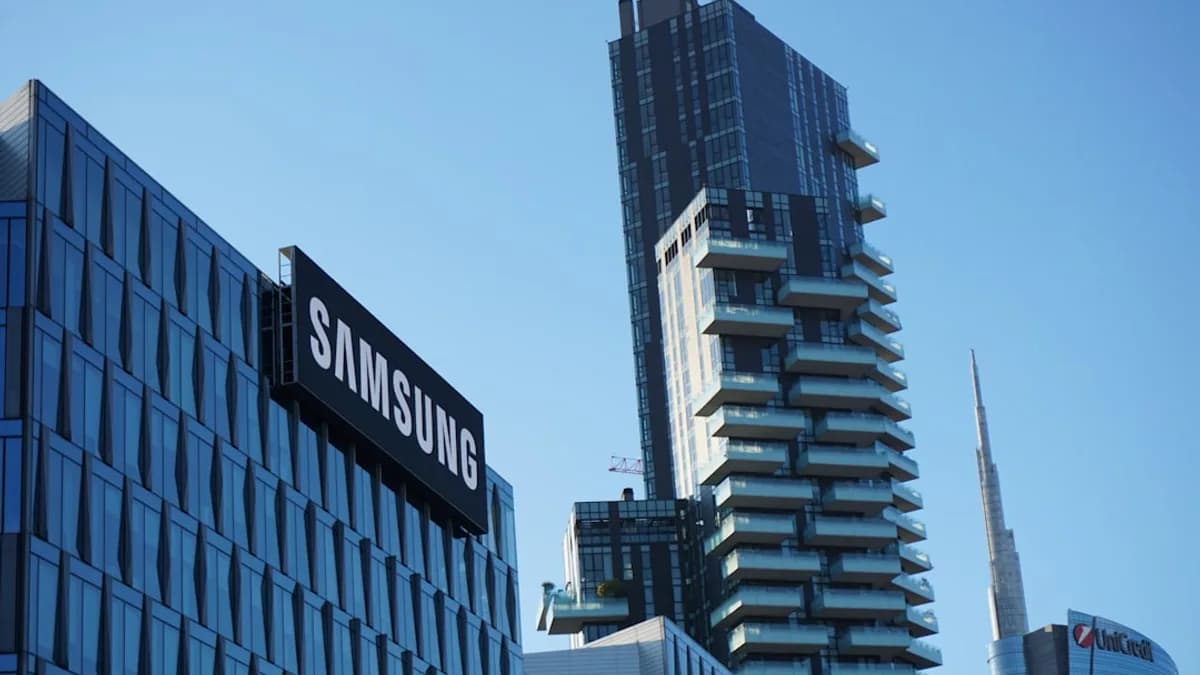
While DRAM prices tank and inventories balloon, Samsung and SK Hynix are doubling down on DDR6 research. The contradiction is sharp: most manufacturers are slashing capex and pausing expansion, yet these giants are pouring resources into a memory standard that won’t hit shelves for at least two years. The move isn’t just defiance—it’s strategic insulation against a future where stagnation means irrelevance.
According to Notebookcheck, industry leaders are betting that the next DRAM upswing will demand a leap in performance, not incremental gains. R&D on DDR6 signals a willingness to absorb short-term pain for long-term dominance. JEDEC hasn’t finalized the standard, but early development gives Samsung and SK Hynix a head start on patents, manufacturing processes, and future contracts with hyperscalers and OEMs.
The calculus is simple: whoever controls the next generation of DRAM will dictate pricing, compatibility, and supply for years. That’s why, despite the crisis, DDR6’s gestation is accelerating—not pausing. These manufacturers aren’t waiting for the market to recover; they’re aiming to shape its rebound.
Crunching the Numbers: Current DRAM Market Data and DDR6 Development Timelines
Global DRAM sales cratered 20% year-on-year in Q1 2024, with average contract prices for 16GB modules falling below $30—a level not seen since mid-2020. SK Hynix, the world’s second-largest DRAM maker, reported a 33% drop in operating profit last quarter. Samsung’s semiconductor division posted its first annual loss in over a decade. Inventory levels at major suppliers have exceeded 4 months of demand, double the historical norm.
In this climate, DDR6’s timeline stands out. JEDEC is expected to finalize the DDR6 specification by late 2025, with commercial modules hitting the market in 2026. That puts DDR6’s development cycle roughly on pace with DDR5, which was standardized in mid-2020 and saw mainstream deployment in late 2021. The difference: DDR5 launched during a supply squeeze, while DDR6 will likely emerge from a glut.
Comparing generations, DDR3 was standardized in 2007 but only saw mass adoption around 2009; DDR4 lagged even longer, with a three-year gap from spec finalization to widespread availability. DDR6’s early R&D signals a push to compress this timeline, aiming to capture pent-up demand from AI workloads, high-performance computing, and next-gen mobile devices.
Diverse Stakeholder Perspectives on DDR6 Progress and Market Impact
Samsung’s public stance is clear: early DDR6 development is a hedge against technological obsolescence. Their recent investor call emphasized aggressive R&D spending despite short-term margin erosion. SK Hynix echoes this logic, framing DDR6 as a “necessary investment” to secure future partnerships with cloud providers and automotive OEMs.
Industry analysts are split. Some warn that premature DDR6 activity could exacerbate inventory problems, especially if the standard slips or if demand doesn’t materialize quickly. Others argue the opposite: DRAM cycles are notoriously brutal, and only the most technologically advanced suppliers survive. Gartner’s memory market report notes that past transitions favored companies who shipped early, even if initial volumes were low.
OEMs—particularly those supplying hyperscale data centers and high-end PCs—are cautiously optimistic. DDR5 adoption was slow, hampered by chipset compatibility and supply constraints. DDR6 could face similar hurdles, but most customers see its development as a signal that suppliers remain committed to innovation, even when profits are thin. For mobile device makers, the calculus is simpler: faster memory means longer battery life and more responsive apps, but only if pricing doesn’t spike.
Tracing DDR Evolution: How Past DRAM Crises Shaped Memory Technology Advancements
The DRAM crash of 2015 saw prices plunge 40% in six months, triggering consolidation and brutal cost-cutting. Yet, it was during this downturn that DDR4 gained traction, first in servers and then in consumer PCs. The lesson: downturns force manufacturers to prioritize efficiency, often accelerating the adoption of new standards as old inventory is cleared.
During the DDR3 to DDR4 transition, Micron and Samsung invested in process shrinks and new packaging techniques, betting that lower power and higher bandwidth would drive demand once the market turned. This strategy paid off—DDR4’s rapid ramp-up coincided with the rise of cloud computing, giving early movers an outsized share of lucrative hyperscaler contracts.
Volatility isn’t just a threat; it’s a catalyst. Companies that innovate during downturns often emerge stronger, with patents, production know-how, and customer relationships that laggards can’t replicate. Today’s DDR6 push echoes this dynamic, suggesting that memory giants are using the crisis to leapfrog rivals and lock in future growth.
Implications of DDR6 Development for the Semiconductor Industry and End Users
Early DDR6 R&D will ripple through the semiconductor supply chain. Foundries like TSMC and Samsung’s own fabs must retool for finer geometries and new materials, potentially accelerating adoption of EUV lithography and advanced packaging. The knock-on effect: smaller suppliers may be squeezed out, unable to absorb the upfront costs of adapting to DDR6.
For data centers, DDR6 promises bandwidths upwards of 12.8 Gbps per pin—double DDR5—enabling faster AI training and real-time analytics. PC builders could see performance jumps, but only if motherboard vendors and CPU designers align their roadmaps. Mobile device makers face a tougher trade-off: DDR6’s speed is enticing, but power consumption and thermal management will be critical for battery-powered devices.
Pricing is the wild card. Early DDR6 modules will command a premium, especially if supply is constrained by slow ramp-ups or process hiccups. Innovation cycles may shorten, forcing buyers to upgrade more frequently. This could strain budgets for enterprises and consumers alike, but it will also push lagging devices into obsolescence, clearing the way for new use cases.
Predicting DDR6’s Market Entry and Its Role in Future Computing Trends
DDR6 is likely to hit mass production in late 2026, with early adoption by hyperscale data centers and premium PCs. Expect mainstream integration by 2027, as CPU and motherboard vendors sync their product launches. The timing aligns with major inflections in AI, 5G edge computing, and high-performance graphics, all of which demand bigger memory pipes.
AI models, especially transformer-based architectures, are starving for bandwidth. DDR6 will provide the necessary throughput, reducing training times and inference latency. 5G applications—particularly in edge devices—will benefit from faster memory, enabling real-time video processing and AR/VR experiences. High-performance computing, from scientific simulations to financial modeling, will see direct gains in scaling and efficiency.
Hurdles remain. JEDEC’s standardization process could slip, and manufacturers may face yield issues with advanced nodes. OEMs must redesign platforms to support higher speeds and new voltage requirements. If DDR6 launches amid another DRAM glut, pricing could be volatile, deterring early adopters.
But the odds favor DDR6’s rapid uptake. The hunger for bandwidth is insatiable, and manufacturers with a head start in DDR6 development will dictate the pace. Expect Samsung and SK Hynix to secure early market share, with lagging suppliers scrambling to catch up—or exiting the market altogether. DDR6 won’t just be another memory upgrade; it will be a sorting mechanism for who survives the next wave of computing evolution.
The Bottom Line
- Samsung and SK Hynix are positioning to dominate future memory standards despite current market pain.
- Early DDR6 development may secure patent rights and manufacturing advantages ahead of rivals.
- Strategic investment during downturns can reshape industry leadership and influence pricing for years.