Lenovo Unveils Legion Y900 2026 Gaming Tablet with Dimensity 9500S SoC
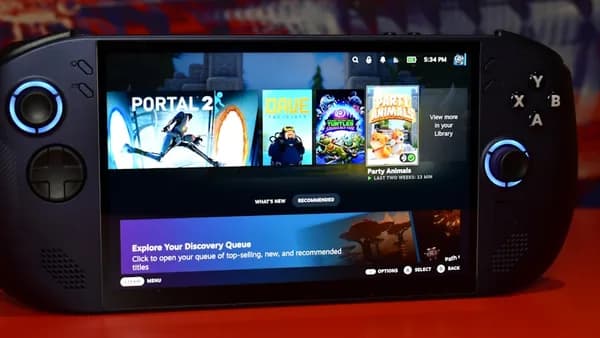
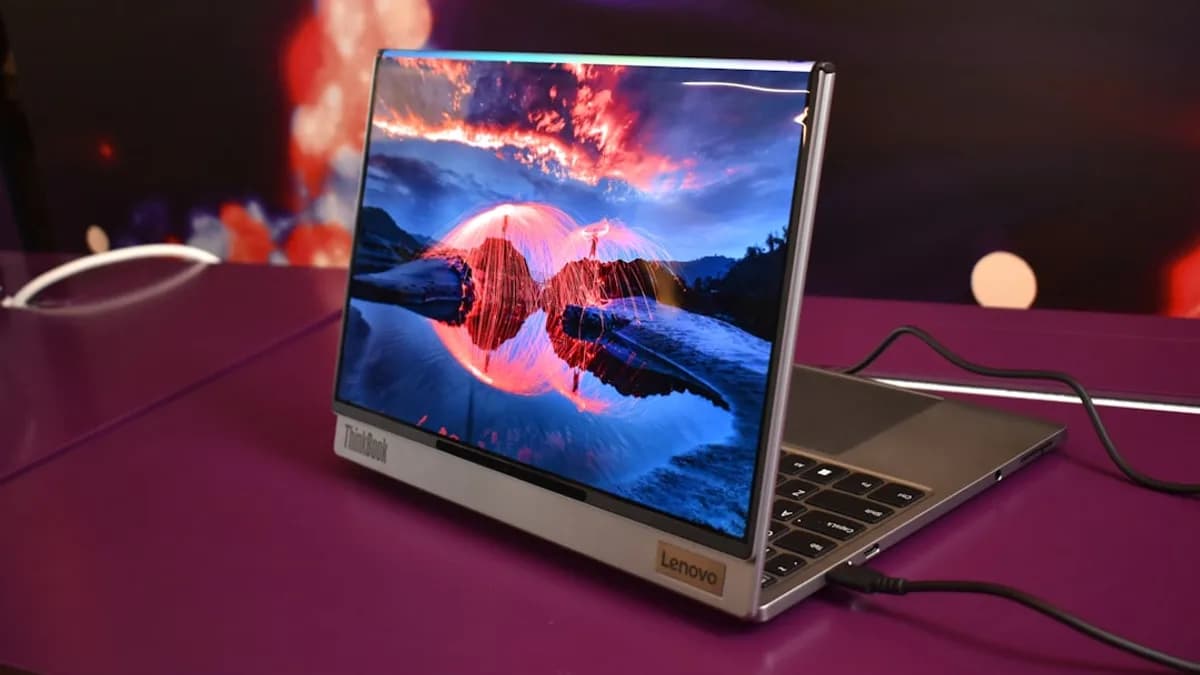
Lenovo just pulled a surprise play in China: the new Legion Y900 2026 gaming tablet ships with MediaTek’s Dimensity 9500S—a sub-flagship SoC rarely seen in high-profile gaming slates. The device, announced in two variants, includes an 11.1-inch display option and starts at CNY 3,099 (roughly $456), undercutting typical flagship gaming tablets on price, according to Notebookcheck.
The move is striking because the Legion Y900 series previously leaned on high-end silicon. By slotting in the Dimensity 9500S, Lenovo signals a shift: it’s aiming for gamers who want premium features but are willing to accept a chip just below the top shelf—likely to keep costs in check.
How the Dimensity 9500S SoC Shapes the Legion Y900 2026’s Gaming Performance
Lenovo’s choice of the Dimensity 9500S upends expectations in the gaming tablet category. The Y900 2026’s predecessor and flagship rivals typically feature Snapdragon’s highest-end chips or MediaTek’s top-tier silicon. Instead, the 9500S sits just below today’s performance leaders—fast enough for gaming, but without the absolute cutting-edge specs.
For buyers, this could be a double-edged sword. On one hand, the Dimensity 9500S should deliver strong results for most Android games, especially at medium to high settings. On the other, it may lag behind pure-flagship tablets in sustained heavy workloads or in synthetic benchmarks. For users chasing the highest frame rates or AAA mobile titles at max settings, that trade-off could matter.
There’s an upside: sub-flagship SoCs often draw less power and produce less heat. In practice, this could mean longer play sessions before thermal throttling sets in, and potentially better battery life—critical for gamers who want to avoid plugging in mid-match. But without official battery specs or real-world benchmarks, it’s impossible to say whether Lenovo’s efficiency bet pays off.
Analysis: Lenovo’s positioning is clear. The Legion Y900 2026 isn’t just another spec-chaser; it’s a calculated balance of price, performance, and feature set. By dropping below flagship silicon, Lenovo makes the Y900 2026 accessible to a larger share of the market—especially in China, where price sensitivity is high.
What to Expect Next for Lenovo’s Gaming Tablet Lineup and Market Strategy
There’s still plenty Lenovo hasn’t revealed. The launch is China-only for now, and there’s no confirmation of global availability or plans to bring the Y900 2026 to other markets. Likewise, details on future software updates, hardware variants (such as the rumored larger-screen model), or a potential shift back to flagship SoCs remain unknown.
For now, Lenovo’s strategy appears to be hedging: targeting value-conscious gamers with a sub-flagship chip while keeping the door open for more premium variants or regional launches. The $456 starting price sets a new bar for mainstream gaming tablets with premium aspirations. Whether competitors respond with price cuts or new launches is an open question.
What to watch: If Lenovo pushes the Y900 2026 beyond China, its reception could steer the next wave of gaming tablets—especially if buyers embrace the lower price and accept the performance trade-offs. Until then, the real test will be whether the Dimensity 9500S can keep up with gamer expectations in sustained use, and whether Lenovo’s bet on a sub-flagship heart finds its audience.
What remains unclear: Lenovo hasn’t shared full hardware specs, battery details, or software support timelines. Until those facts emerge, the Legion Y900 2026 is a promising but partially shrouded contender in the gaming tablet race.
The Bottom Line
- Lenovo is targeting gamers who want premium features at a lower price point by using a sub-flagship processor.
- The Legion Y900 2026 may offer better battery life and less heat, appealing to users seeking longer gaming sessions.
- This shift could pressure other brands to balance performance and affordability in future gaming tablets.