Introduction: The Galaxy Z TriFold Phenomenon
Samsung’s Galaxy Z TriFold has captured the attention of tech enthusiasts and industry watchers alike. As the first mainstream smartphone to feature a tri-fold design, the Galaxy Z TriFold pushes the boundaries of what a mobile device can be. Its unique form factor allows users to transform the device from a compact phone into a spacious tablet, breaking away from the traditional foldable models that only double in size. Recently, Samsung’s limited run of the Galaxy Z TriFold sold out, leaving many would-be buyers disappointed and sparking conversations about the future of ultra-flexible smartphones and the company’s strategy in this emerging market [Source: Source]. With high demand and scarce supply, the Galaxy Z TriFold has quickly become a symbol of innovation and exclusivity within the foldable phone landscape.
What is the Galaxy Z TriFold?
The Samsung Galaxy Z TriFold stands apart from other foldables thanks to its groundbreaking tri-fold design. Unlike conventional foldable phones that open along a single hinge, the TriFold is equipped with two hinges, allowing it to fold in three sections. This clever engineering means the device can be compact for easy pocketability, then unfold to reveal a larger display space—making it suitable for multitasking, media consumption, and productivity.
Key features of the Galaxy Z TriFold include a flexible OLED display that seamlessly bends across two hinges, robust build quality, and software optimizations to support unique multi-window layouts. Early reports indicate the device offers high-end specifications, with a powerful processor, ample RAM, and a versatile camera system—all tailored to tackle the demands of both smartphone and tablet use cases [Source: Source].
Samsung’s goal with the TriFold was not only to showcase its technological prowess but also to target power users, professionals, and early adopters who seek maximum versatility from their mobile devices. By introducing a tri-fold device, Samsung aims to redefine the foldable category and present a compelling alternative to users who crave bigger screens without sacrificing portability. The Galaxy Z TriFold also serves as a showcase for Samsung’s ongoing investment in flexible display technology, positioning the company as a leader in the foldables market.
The Limited Run and Its Market Impact
Samsung chose to launch the Galaxy Z TriFold as a ‘limited run’ device—a production approach that involves releasing a restricted quantity of units to gauge market response and generate buzz. This strategy is often used for experimental or high-end products, allowing manufacturers to manage risk and create a sense of exclusivity. The limited run of the Galaxy Z TriFold quickly sold out, with Samsung confirming that no new stock will be available in the US, at least for the foreseeable future [Source: Source].
The scarcity of the Galaxy Z TriFold has had a notable impact on both consumers and the industry. Many tech enthusiasts expressed frustration at missing out, while others highlighted the device’s sell-out status as evidence of strong demand for innovative foldables. The exclusivity has fueled discussions about Samsung’s role in driving design innovation and whether more widespread releases could follow. Within the industry, the TriFold’s rapid sell-out has signaled a potential shift in consumer appetite for experimental devices, prompting competitors to rethink their own strategies in the foldable segment.
What’s Next? Rumors and Expectations for the Galaxy Z TriFold 2
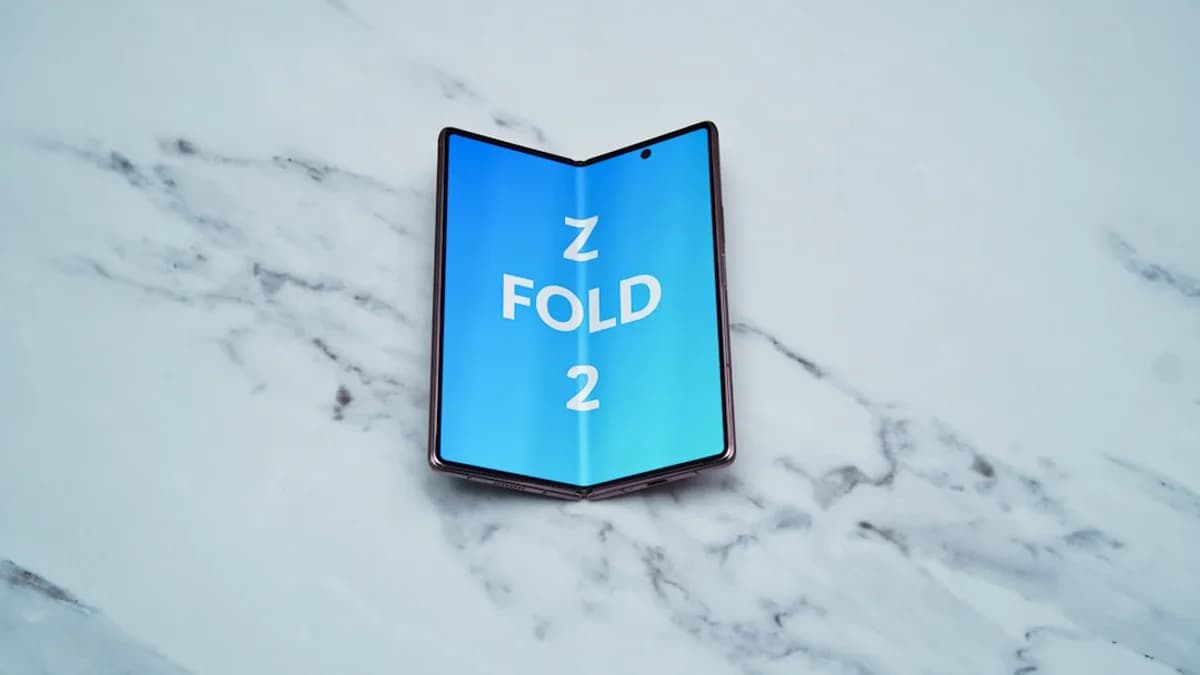
With the first Galaxy Z TriFold completely sold out, attention is now shifting to its rumored successor, the Galaxy Z TriFold 2. Early leaks and industry speculation suggest that Samsung is working on a thinner, more refined version, with improvements centered around the hinge mechanism and overall device thickness [Source: Source]. These updates aim to address some of the limitations of the original model, such as bulkiness and durability concerns.
The new hinge design is expected to offer smoother folding and unfolding experiences, while reducing the device’s thickness when closed. This could make the TriFold 2 even more portable and practical for everyday use. Additionally, Samsung is reportedly focusing on enhancing display quality, optimizing software for tri-fold multitasking, and possibly boosting battery life to support the larger screen area.
While Samsung has not officially confirmed a release date, industry insiders anticipate that the Galaxy Z TriFold 2 could be unveiled within the next year, possibly alongside other flagship foldables. The strategy appears to be one of incremental innovation—building on the success and lessons learned from the limited run while preparing for a broader launch. If the rumors hold true, the TriFold 2 could address the original’s shortcomings and further cement Samsung’s leadership in the foldable phone market [Source: Source].
Why the Galaxy Z TriFold Matters in the Foldable Phone Landscape
The introduction of the Galaxy Z TriFold represents a major leap forward in foldable phone innovation. By moving beyond the conventional single-fold design, Samsung has demonstrated the potential for more flexible and versatile mobile devices. The tri-fold form factor enables new use cases, such as triple-window multitasking, enhanced productivity, and immersive media consumption, that traditional foldables and smartphones simply cannot match.
This innovation is not only significant for Samsung but also for the broader industry. Competitors, including other major smartphone makers, are now under pressure to explore novel designs and push the envelope on flexible display technology. The TriFold’s success and rapid sell-out highlight growing consumer interest in experimental devices, suggesting that the market is ripe for further advances.
Experimental devices like the Galaxy Z TriFold serve an important role in shaping the future of mobile technology. They test the limits of what is possible, provide valuable feedback to manufacturers, and pave the way for mainstream adoption of new features. As foldable phones become more popular, the TriFold stands as a testament to Samsung’s willingness to take risks and lead the industry forward [Source: Source].
Conclusion: The Future of Foldable Smartphones and Samsung’s Role
The sell-out of Samsung’s Galaxy Z TriFold underscores both the device’s appeal and the growing demand for innovative foldable smartphones. By launching a limited run, Samsung has successfully captured the imagination of early adopters and set the stage for future advancements in mobile design. With rumors swirling about a thinner, more capable Galaxy Z TriFold 2, anticipation is high for what comes next.
Samsung’s ongoing commitment to foldable technology positions the company at the forefront of mobile innovation. As competitors rush to catch up, the TriFold’s unique form factor and market impact will likely influence the direction of the industry for years to come. For consumers and tech enthusiasts, the TriFold’s legacy is clear: the future of smartphones is flexible, and Samsung is leading the charge [Source: Source].