Why Samsung’s Three Major Upgrades Could Redefine Smart Rings by 2027
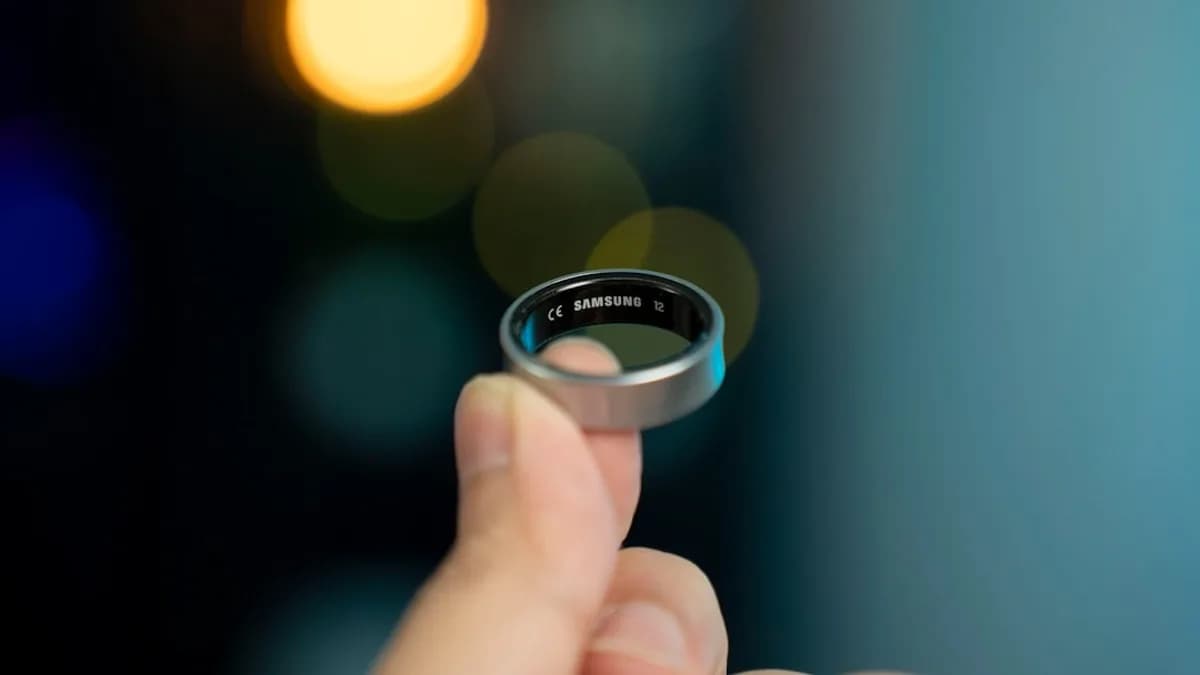
Samsung isn’t tinkering at the edges — it’s overhauling the blueprint. While most competitors churn out incremental improvements, the company is reportedly planning three significant upgrades for its Galaxy Ring 2, scheduled for 2027. The rumor mill points to radical advances in battery life, health sensors, and connectivity, marking a rare commitment to leapfrogging rather than simply keeping pace.
This signals a strategic shift, not just for Samsung but for the smart ring industry. The original Galaxy Ring, launched in July 2024, barely had time to settle into the market before speculation about its successor began. According to Notebookcheck, Samsung’s focus on major enhancements — instead of quick annual cycles — hints at ambitions to dominate a category still in its infancy.
Such upgrades could force rivals to rethink their own product timelines. If Samsung delivers on these promises, it won’t just set the bar higher; it will redraw the boundaries of what consumers expect from wearable tech. In a space where “good enough” has been the norm, Samsung’s strategy threatens to make incrementalism obsolete.
Crunching the Numbers: What Data Reveals About Samsung Galaxy Ring’s Market Potential
Early sales data for the original Galaxy Ring are sparse, but analysts estimate Samsung shipped between 150,000 and 200,000 units in the first quarter post-launch. That’s a modest start compared to the Galaxy Watch, which sold over 2 million units in its debut quarter, but context matters: the smart ring market is nascent, with global shipments of all brands barely topping 1 million units in 2023. Samsung’s entry immediately pushed the category’s visibility to new heights.
Wearables are a booming segment. IDC projects the global wearable market to hit $70 billion by 2027, up from $53 billion in 2024. Smart rings are a tiny slice — just 1-2% of overall wearable sales today — but the segment is growing. Oura, the biggest player, saw revenues climb 45% year-over-year in 2023, while new entrants (including Amazfit and RingConn) doubled their shipments.
Samsung’s three rumored upgrades could turbocharge its share. Improved battery life alone could push adoption: current rings average 5-7 days per charge, but if Samsung hits 14 days, it would undercut Oura’s Achilles heel and attract users frustrated by frequent charging. Advanced health sensors — particularly for blood pressure or glucose monitoring — would tap into a market expected to grow 30% annually as chronic health tracking moves mainstream. Enhanced connectivity (think seamless syncing with Galaxy phones and smart home devices) would strengthen Samsung’s ecosystem play, potentially capturing users from Apple and Google.
If Samsung doubles its ring sales in 2027 with these upgrades, that’s $200 million in incremental revenue — not blockbuster numbers for Samsung, but enough to make smart rings a legitimate pillar in its wearable portfolio. More importantly, it would validate the strategy of “wait and leap” rather than “rush and tweak.”
Diverse Stakeholder Views on Samsung’s Smart Ring Evolution
Industry analysts are split on Samsung’s risk-reward calculus. Some, like IDC’s Jitesh Ubrani, argue that waiting three years for the next model could cede ground to nimble competitors. Oura and Amazfit iterate every 18 months, keeping their products front-of-mind. But others believe Samsung’s scale and R&D muscle give it latitude to innovate deeply before rolling out upgrades. If the Galaxy Ring 2 delivers features no rival can match, the delayed launch will be forgotten.
Early Galaxy Ring adopters are vocal about pain points: battery longevity, limited sensor accuracy, and patchy app connectivity. Users on Reddit and Samsung forums report that while the ring’s sleep and activity tracking are reliable, its heart rate and temperature sensors lag behind Oura’s. The promise of improved health sensors and longer battery life resonates strongly with this cohort — but patience is thin.
Samsung’s strategic goals are clear: it wants wearables that lock users deeper into its hardware and software ecosystem. Unlike Oura, which operates platform-agnostic, Samsung aims to link the ring to Galaxy phones, watches, and smart home devices. The rumored upgrades aren’t just technical; they’re about building stickier user habits and recurring revenue streams (subscription services, health analytics).
Tracing the Evolution: How Samsung’s Smart Rings Compare to Past Wearable Innovations
Samsung’s trajectory with wearables has been uneven. The Galaxy Watch series launched in 2018 with robust sales but struggled to differentiate itself from Apple Watch beyond price. Each subsequent iteration brought modest improvements: battery tweaks, new sensors, incremental software upgrades. Yet Samsung rarely leapfrogged rivals until it added ECG and blood pressure monitoring in 2021, which pushed the Galaxy Watch into serious health territory.
Smart rings, by contrast, are a fresh canvas. Oura’s original ring (2015) focused on sleep and recovery, later adding heart rate and temperature tracking. Amazfit and RingConn followed, but all struggled with battery life and sensor fidelity. No ring has yet cracked non-invasive glucose monitoring — the holy grail for wearables.
Samsung’s Galaxy Ring 2 rumors suggest lessons learned. Rather than annual releases with minor tweaks, the company is betting on multi-year R&D cycles and big feature jumps. If it succeeds, it could repeat the Galaxy Watch’s 2021 move: turning a niche product into a must-have for health-conscious consumers.
What Samsung’s Smart Ring Upgrades Mean for Consumers and the Wearable Industry
Improved battery life is more than a convenience; it’s a deal-breaker. Users hate charging their wearables. Doubling battery performance from 7 days to 14 would mean the ring can survive travel, busy weeks, and forgetful owners — a small but meaningful lifestyle shift.
Advanced health sensors could transform the ring from a glorified step-counter into a credible medical device. If Samsung adds continuous blood pressure or glucose monitoring, it could unlock new markets: chronic disease management, telehealth integration, and even insurance partnerships. The FDA’s stance will be critical — past approvals for Samsung’s Galaxy Watch ECG and blood pressure features suggest a path forward, but the agency remains cautious about non-invasive glucose monitoring.
Connectivity is the third pillar. Today’s rings sync with phones via Bluetooth, but Samsung’s ambition goes further: tight integration with Galaxy Watches, TVs, and smart home devices. Imagine a ring that unlocks your front door, triggers automations, or controls appliances. For Samsung, this isn’t just about health; it’s about making the ring an all-purpose interface.
Fashion also matters. Smart rings are less obtrusive than watches. If Samsung nails style and customization, it could appeal to users who want tech that vanishes into their daily routine. In 2023, Oura’s collaboration with Gucci drove sales among younger buyers, proving that aesthetics drive adoption as much as features.
These ripple effects won’t just hit Samsung. Competitors will be forced to match battery life, sensor accuracy, and integration. It’s a race for “invisible intelligence” — wearables that blend into daily life but deliver outsized value.
Predicting the Future: How Samsung’s Galaxy Ring 2 Could Shape Wearable Tech by 2030
By 2030, the smart ring market could mirror the smartwatch boom of the 2010s. If Samsung’s Galaxy Ring 2 delivers on its rumored upgrades, expect other brands to follow with longer battery life, more sophisticated sensors, and deeper device integration.
Design will shift: thinner, lighter rings with customizable finishes and modular sensors. Functionality will expand — not just fitness and sleep, but real-time health interventions, gesture controls, and secure authentication. Integration with Samsung’s SmartThings ecosystem could turn the ring into a universal remote for the connected home.
The challenge? Sustaining innovation. As features converge, differentiation will get tougher. Samsung will need to invest heavily in miniaturized sensors, regulatory approvals, and partnerships with health providers. If it stumbles, nimble startups or Apple could seize the lead.
A realistic scenario: by 2028, Samsung’s Galaxy Ring 2 is the benchmark for battery life and health monitoring. By 2030, smart rings are a staple for chronic health tracking and everyday convenience, with Samsung holding a 30-40% market share — but only if it keeps pushing the pace and avoids the complacency that plagued its earlier wearables.
The next three years will decide not just Samsung’s fate, but the entire trajectory of smart rings. If Samsung’s “wait and leap” strategy works, expect wearables to get smaller, smarter, and far more essential than anyone predicted.
Why It Matters
- Samsung’s planned upgrades could reshape consumer expectations for smart rings.
- A major leap in features may pressure competitors to accelerate innovation cycles.
- Strong market growth and early sales suggest wearables—including rings—are a rising tech segment.