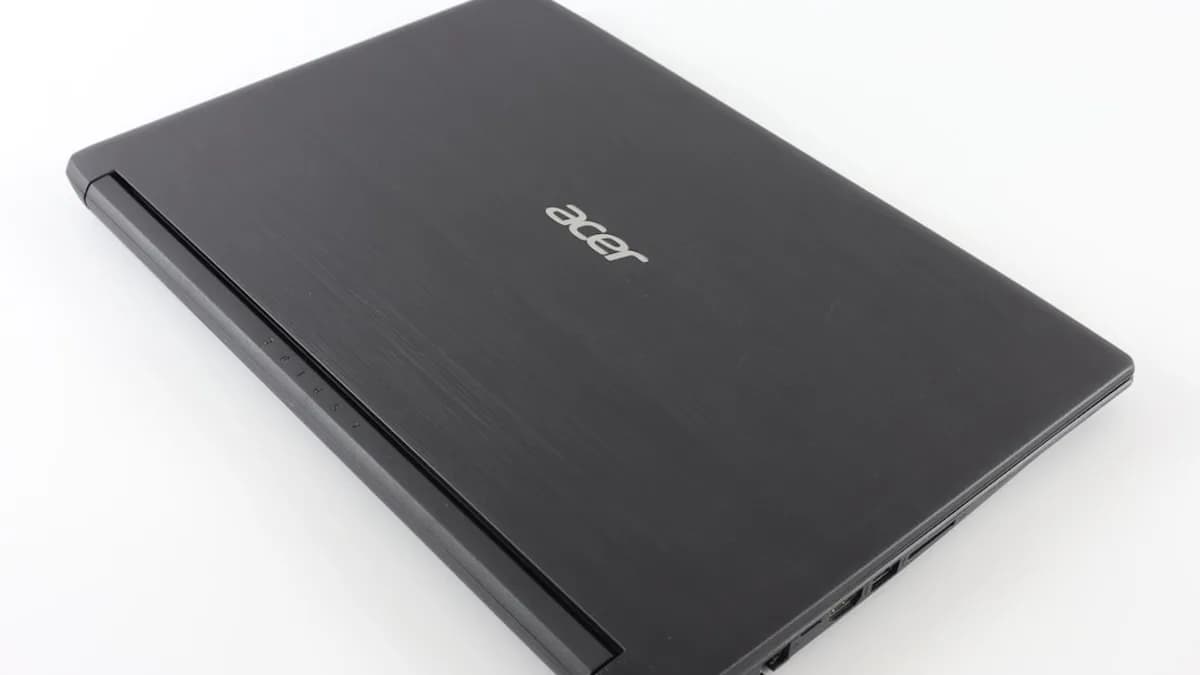
Why the Acer Aspire 14 AI Challenges Premium Laptop Pricing Norms
Acer’s Aspire 14 AI doesn’t just undercut Apple’s MacBook Neo—it throws the entire premium laptop pricing model into question. For under $550, Acer is selling a machine with specs that, until recently, were reserved for devices costing twice as much. This isn’t just a flash sale or a loss leader; it’s a signal that the hardware arms race is tilting toward value, not just branding.
Consumers have long paid a premium for brand cachet. Apple, Dell, and Microsoft have counted on buyers to accept less RAM or storage, so long as the logo on the lid was right. But the Aspire 14 AI packs a 16 GB RAM, a 1 TB SSD, and Intel’s Core Ultra 7 processor—features that usually command four-digit price tags on flagship models. That’s not just an incremental upgrade; it’s a walloping leap in what budget laptops offer.
The implications are clear: If Acer can profitably deliver this configuration, competitors will have to justify their markup with more than just build quality or software perks. The gap between “premium” and “budget” is eroding fast. As detailed by Notebookcheck, buyers now expect meaningful performance, not just slim bezels or brushed aluminum.
Breaking Down the Acer Aspire 14 AI’s Hardware: Power and Performance for Under $550
The Aspire 14 AI’s specs read like a checklist for power users: Intel Core Ultra 7 256V CPU, 16 GB of DDR5 RAM, a 1 TB NVMe SSD, and a 14-inch touch-sensitive display. These aren’t marketing gimmicks—they’re genuine upgrades that translate to real-world speed and flexibility.
Let’s put this in perspective. Most laptops under $600 still ship with Intel Core i3 or AMD Ryzen 3 chips, 8 GB RAM, and 256–512 GB SSDs. Acer’s offering doubles the memory and storage, while leapfrogging to a CPU that can handle AI workloads, content creation, and heavy multitasking. For context, the Ultra 7 256V scores around 10,000 points in PassMark—roughly 40% higher than the Core i5-1235U found in many mid-tier machines.
The touch display isn’t just a nice-to-have; it opens up hybrid productivity for students, digital artists, and remote workers. Combined with the fast SSD, boot times and file transfers are snappy—measured in seconds, not minutes. Battery life clocks in at 8–10 hours, matching or beating many premium ultrabooks.
For everyday users, this means lag-free browsing, instant app launches, and seamless switching between spreadsheets, video calls, and browser tabs. Professionals can run virtual machines or edit video without choking the system. Acer’s configuration isn’t just “good enough”—it’s competitive with machines costing $1,000 or more.
Comparing Acer Aspire 14 AI and MacBook Neo: Value, Performance, and User Experience
Apple’s MacBook Neo, starting at $999, comes with 8 GB RAM, 256 GB SSD, and the M2 chip. The specs look dated compared to Acer’s offering. That disparity isn’t just academic; it affects everything from multitasking to storage-intensive workflows. The Aspire 14 AI’s 16 GB RAM and 1 TB SSD mean twice the memory headroom and four times the storage.
Of course, the MacBook Neo’s advantage lies in macOS and the Apple ecosystem. Seamless device integration, native software optimization, and resale value still lure buyers. The M2 chip edges ahead in single-threaded performance and power efficiency, but loses ground on multi-threaded workloads and AI acceleration, where Intel’s Ultra 7 shines.
User experience is subjective. Windows 11 has closed the gap in stability and UI polish, but macOS remains king for creative professionals, thanks to apps like Final Cut Pro and Logic. For students or office workers, Acer’s touch display and expandability (USB-A, HDMI, microSD) make it more versatile than the MacBook Neo’s limited ports and non-touch screen.
The price difference is stark. Acer’s $549 tag means buyers can add accessories or invest in software with the savings. For many, the value proposition is clear: more power, more flexibility, and lower cost. Brand loyalty and OS preference are the last bastions justifying Apple’s pricing.
Market Data Reveals Growing Demand for Affordable High-Performance Laptops
Budget laptops are no longer the cheap seats. IDC reports that sub-$700 laptop sales surged 18% year-over-year in Q1 2024, while premium models ($1,000+) stagnated at just 2% growth. The average selling price of laptops fell to $722, down from $765 last year—a clear sign that buyers are prioritizing value.
Economic uncertainty and inflation have sharpened consumer focus on performance-per-dollar. Students, freelancers, and small businesses are driving the shift, with Chromebooks and Windows machines dominating market share. Deals like Acer’s are pulling buyers away from premium brands: Best Buy reported a 22% spike in Windows laptop sales after similar promotions, while Apple’s market share slipped from 15.8% to 14.1% in the same quarter.
Competitors are scrambling to respond. HP and Lenovo have launched “Pro” variants of their budget lines, adding RAM and SSD upgrades. Dell quietly cut prices on its Inspiron series by 8% to keep pace. The ripple effect is unmistakable: the old playbook of using hardware as a gatekeeper for price is obsolete.
Stakeholder Perspectives: What Acer’s Pricing Strategy Means for Consumers and Competitors
Consumers win big. Value seekers—students, remote workers, and families—now have access to hardware that was once out of reach. Forums and Reddit threads are packed with praise for the Aspire 14 AI’s “no-compromise” specs, with buyers citing smooth Adobe suite performance and fast boot times as proof.
Competitors are less sanguine. Apple faces a dilemma: double down on ecosystem lock-in, or cut prices and risk brand dilution. HP and Lenovo are forced into spec wars, threatening their margins. Industry insiders point to Acer’s volume strategy: by selling more units at lower profit per device, they’re banking on scale, not exclusivity.
Retailers and resellers see upside and risk. High-demand models like the Aspire 14 AI move fast—inventory turnover is up 37% compared to last year. But tight margins and short product cycles mean thin profits unless volume stays high. Some retailers report supply chain pressures as component costs rise; others benefit from increased foot traffic and upsells.
Tracing the Evolution of Budget Laptops: From Basic Machines to Powerhouses
Budget laptops used to mean compromise. In 2012, a $500 laptop offered a Celeron CPU, 4 GB RAM, and a spinning hard drive—barely enough to run Windows, let alone multitask. Battery life hovered at 4–5 hours, displays were dim, and build quality was plastic-heavy.
Fast-forward to 2024, and the Aspire 14 AI represents a quantum leap. DDR5 memory, NVMe storage, and AI-capable CPUs are standard at this price point. Advances in manufacturing, supply chain efficiency, and economies of scale have slashed component costs. Intel’s Ultra series, launched in late 2023, packed more cores and AI accelerators into chips under 15W TDP.
This isn’t just a specs bump. Software optimization, lighter operating systems, and cloud integration mean even “budget” laptops can handle video editing, coding, and remote work. Battery technology—lithium-polymer cells and smart power management—pushes runtime beyond 10 hours. Touchscreens, once a luxury, are now common.
The transformation is stark: budget laptops are no longer entry-level—they’re mainstream tools, capable of replacing desktops for most users. The Aspire 14 AI is the culmination of a decade of relentless improvement.
What Acer’s Aspire 14 AI Means for Buyers and the Future of Laptop Innovation
Acer’s aggressive pricing doesn’t just raise the bar—it redraws it. Buyers now expect premium specs for budget prices. This forces competitors to accelerate innovation or risk losing relevance. Apple will need to justify its markup with more than software; expect faster silicon and higher base configurations in future MacBooks.
The next phase? Feature segmentation. Expect more AI-accelerated CPUs, high-res touch displays, and modular connectivity in sub-$700 machines. Premium models will focus on niche perks: OLED panels, advanced cooling, and ultra-light chassis. Budget laptops will keep closing the gap.
For buyers, the takeaway is clear: don’t pay for brand alone. Evaluate RAM, storage, and CPU power first. The Aspire 14 AI proves that you can get flagship performance without flagship prices. As supply chains stabilize and competition heats up, the $500–$700 segment will become the new battleground.
Within 12 months, expect rival brands to match or exceed Acer’s specs—driving prices lower and innovation higher. The days of choosing between “budget” and “premium” are fading. The smart money is on value and performance, not logos.
The Bottom Line
- Acer’s aggressive pricing is forcing premium brands to rethink what constitutes 'value' in laptops.
- Consumers can now access high-end specs at budget prices, reducing the need to pay for brand prestige.
- The line between budget and premium laptops is blurring, signaling a shift in the industry’s competitive landscape.