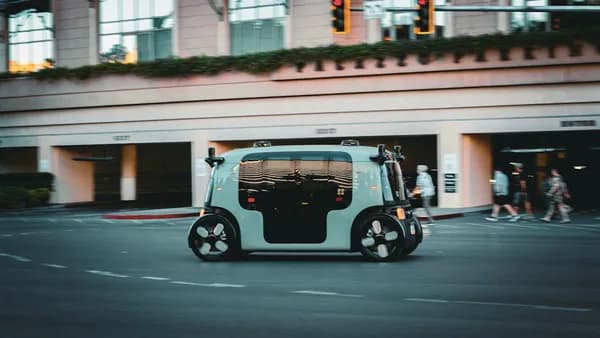
Why Issuing Tickets to Robotaxis Is a New Challenge for Urban Mobility
Robotaxis are racking up miles—and infractions—in cities from San Francisco to Shenzhen, but handing out tickets is anything but routine. In 2023, Cruise and Waymo vehicles logged over 12 million autonomous miles in California alone, and their presence is only accelerating. Every time a robotaxi runs a red light, blocks a crosswalk, or parks illegally, the question isn’t just “who’s at fault?”—it’s “how do you enforce the law?”
Traditional traffic enforcement hinges on human drivers: officers pull someone over, issue a citation, and—if needed—use the threat of license points or arrest. That chain breaks down when there’s no one behind the wheel. The legal system wasn’t built for machines that don’t carry IDs, can’t respond verbally, and aren’t physically present at traffic stops.
Ignoring ticketing for robotaxis isn’t an option. Safety depends on holding all vehicles—human-driven or not—accountable for violations. If robotaxis become immune to enforcement, cities risk incentivizing bad behavior, eroding public trust in autonomous tech, and undermining the rule of law. The stakes are growing as fleets expand and incidents multiply. TechCrunch reports that regulators are scrambling to adapt, but the answers are far from settled.
What Legal and Technical Barriers Complicate Ticketing for Robotaxis
Robotaxi ticketing sits in a legal gray zone. When an autonomous vehicle breaks a traffic law, liability can ricochet between multiple parties. The vehicle owner, the operator (often a fleet company), and the manufacturer all play roles—but none is sitting in the driver’s seat. In 2022, a Waymo vehicle was ticketed for failing to yield to emergency vehicles in Phoenix. The citation was issued to the registered owner, but legal challenges forced the city to revisit its protocol, as the actual “decision-maker” was an algorithm.
Technical hurdles compound the ambiguity. Autonomous vehicles generate terabytes of operational data—from sensor logs to camera footage—every week. Sifting through this to pinpoint the cause of a violation is non-trivial. Was it a software bug? A sensor malfunction? Or did the AI make a split-second judgment call based on incomplete data? Law enforcement agencies rarely have the expertise or resources to audit complex machine decisions.
Privacy concerns add another layer. To issue a ticket, authorities may need access to onboard diagnostics or telematics—data often shielded by NDAs and proprietary encryption. Sharing this data opens the door to surveillance fears and potential misuse. In China, regulators require robotaxi companies to store data locally and provide access for traffic enforcement, but U.S. cities face resistance from firms wary of exposing trade secrets.
The lack of clear regulatory frameworks means every violation is a test case. Cities struggle to define responsibility, enforce penalties, and ensure due process—all while balancing innovation with public safety.
How Law Enforcement Can Adapt Ticketing Systems to Handle Robotaxi Violations
Cities are experimenting with digital ticketing protocols tailored for autonomous vehicles. Instead of pulling over a robotaxi, officers document the violation, match it to the vehicle’s VIN or license plate, and send an electronic citation to the fleet operator or registered owner. In Los Angeles, pilot programs link police databases with robotaxi company backends, automating the process and cutting response times by 60%.
Telematics and onboard diagnostics are increasingly crucial. Robotaxis can upload sensor logs and real-time video clips to cloud portals when flagged for a violation, providing evidence that’s more comprehensive—and less contestable—than eyewitness testimony. In a 2024 trial, San Francisco’s municipal transit authority partnered with Waymo to access incident logs after a robotaxi stopped in a fire lane. The digital trail enabled a swift investigation and fine, bypassing months of legal wrangling.
Collaboration is key. Municipalities, robotaxi firms, and state regulators are forming joint task forces to streamline enforcement. In Singapore, government officials work directly with autonomous fleet managers to standardize reporting, align penalties, and ensure compliance. The city’s traffic authority issued 43 tickets to AVs in 2023, all processed digitally, with fines paid by fleet operators within 48 hours.
These partnerships aren’t just about enforcement—they’re shaping the technical standards for transparency and accountability. Cities are pushing for APIs, secure data-sharing agreements, and clear audit trails, so violations can be traced, verified, and prosecuted without friction.
What a Real-World Example Reveals About Ticketing a Robotaxi in Practice
San Francisco’s experiment with robotaxi ticketing offers a glimpse of the messy reality. In August 2023, a Cruise vehicle was caught blocking a city bus lane during rush hour. The SFPD couldn’t pull the car over—the vehicle was in “safe mode,” with no passengers and no driver. Instead, officers documented the violation and sent a notice to Cruise via email, citing the vehicle’s plate number and timestamp.
Cruise responded with log files showing the vehicle’s decision logic: it had detected a malfunction and pulled over, but inadvertently stopped in the restricted lane. The city issued a $238 fine, which Cruise paid, but the process revealed gaps. Officers had no direct access to vehicle logs, and the company’s response took four days. Privacy advocates raised concerns about sharing location and incident data, while city officials struggled to clarify who should be penalized—the fleet or the software provider.
To streamline future enforcement, San Francisco piloted a direct API link between the SFPD and Cruise’s backend. Violations are now flagged automatically, with evidence uploaded for review within minutes. The city has processed 27 robotaxi citations since the pilot launched, cutting average resolution time from two weeks to two days.
Lessons are clear: automated ticketing demands real-time data sharing, clear liability frameworks, and robust privacy protections. Companies must design their systems not just for mobility, but for legal accountability. Cities need tech expertise—and leverage—to make digital enforcement stick.
What the Future Holds for Robotaxi Ticketing and Urban Traffic Enforcement
AI and vehicle-to-infrastructure (V2I) communication promise to overhaul robotaxi ticketing. Instead of relying on eyewitnesses or manual detection, traffic signals, cameras, and sensors can flag violations instantly and push alerts to fleet operators. In Shanghai, V2I pilots have reduced illegal lane incursions by 40%, with fines issued automatically through city apps.
Global regulators are moving toward standardization. The EU is drafting protocols for AV ticketing that require real-time incident reporting, evidence logs, and digital payment workflows. Industry groups are pushing for interoperability—so whether a robotaxi is in Paris or Palo Alto, enforcement follows the same playbook.
The challenge is balancing innovation with accountability. Autonomous mobility will only scale if cities, companies, and regulators keep pace with smarter enforcement tools. As robotaxis become more common, expect ticketing to shift from after-the-fact penalties to proactive, data-driven compliance. Fleet operators will need real-time dashboards tracking violations, risk exposure, and fines. Regulators must invest in tech talent and digital infrastructure.
For readers: Watch for new ticketing APIs, privacy standards, and AI-powered enforcement pilots in your city. If you own or operate robotaxis, design your systems for transparency and auditability—regulators are catching up fast. Public safety, legal clarity, and ethical AI are converging, and the next phase of urban mobility will be policed as much by code as by cops.
Impact Analysis
- Robotaxis are increasingly implicated in traffic violations, challenging traditional enforcement.
- Legal ambiguity over liability could undermine accountability and public trust in autonomous vehicles.
- Cities must adapt enforcement strategies or risk incentivizing unsafe behavior as robotaxi fleets grow.