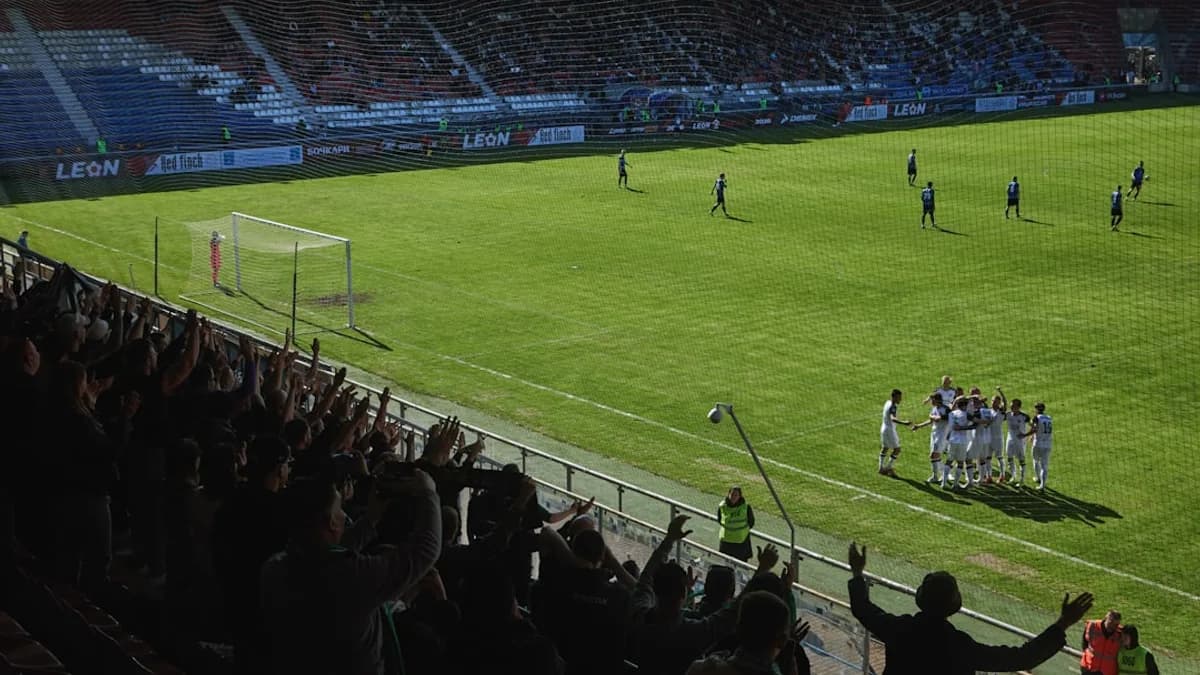
United’s 3-2 Stunner vs Liverpool: Why This Result Redefines the Premier League Picture
Manchester United’s 3-2 victory over Liverpool on May 3, 2026, did more than just shake up the top-four race—it exposed tactical rifts, squad depth concerns, and transfer market bets paying off (or floundering) on both sides. With United leapfrogging into Champions League contention and Liverpool’s title push wobbling, this matchup’s timing—coming weeks before the season’s end—amplifies every detail. TV viewership for head-to-heads between these giants routinely spikes above 2 million in the UK alone, and with both clubs boasting global fanbases north of 650 million, the financial and reputational stakes are outsized every time they clash according to The Guardian.
Layer in the fact that Liverpool’s record £130 million striker Alexander Isak was ruled out, and the narrative shifts from “classic rivalry” to a referendum on squad construction, injury contingency, and tactical flexibility. For United, the match signals a possible return to relevance after several seasons of underperformance and managerial churn. For Liverpool, it marks the second time this spring their attack has sputtered in a must-win fixture, despite heavy investment according to TribalFootball.
This is not just a top-of-table battle; it’s a live case study in transfer policy, squad rotation, and how absence—or presence—of a marquee player can swing a multi-million-pound outcome.
Tactical Structures, Key Absences, and Squad Depth: The Spec Table
Starting XIs and Major Lineup Decisions
| Position | Man United (May 3, 2026) | Liverpool (May 3, 2026) |
|---|---|---|
| Goalkeeper | Onana | Alisson |
| Right Back | Dalot | Alexander-Arnold |
| Centre Backs | Varane, Martinez | Konaté, Van Dijk |
| Left Back | Shaw | Robertson |
| Midfield Core | Mainoo, Fernandes, Mount | Mac Allister, Szoboszlai, Jones |
| Wingers | Garnacho, Antony | Diaz, Salah |
| Centre Forward | Højlund | Jota |
| Notable Absences | Rashford (bench), Casemiro (injury) | Isak (£130m, injury) |
- Isak’s absence robbed Liverpool of their marquee striker, forcing a tactical shift: Jota as a false nine and more reliance on wide overloads.
- United’s manager opted for a double pivot of Mainoo and Mount, prioritizing ball progression over pure ball-winning—showing faith in youth over experience.
Possession, Passing, Pressing: Data Breakdown
- Possession: Liverpool 58%, United 42%
- Expected Goals (xG): United 2.1, Liverpool 1.7
- Total Shots: United 15 (9 on target), Liverpool 13 (7 on target)
- Pressures in Opponent Half: United 27, Liverpool 35
- Key Passes: Fernandes (5), Salah (4)
United’s lower possession but higher xG signals a clinical approach: fewer attacks, greater conversion. Liverpool’s higher pressing numbers didn’t translate into high-quality chances, especially after halftime.
Tactical Shifts: In-Game Adjustments
- United’s manager shifted to a back five for the final 15 minutes, closing central passing lanes and forcing Liverpool wide.
- Liverpool’s late switch to a 3-2-5 attacking shape (pushing Alexander-Arnold into midfield) was blunted by United’s compact block and aggressive countering—Garnacho’s pace proved decisive.
Real-World Performance: Where the Match Was Won and Lost
United’s Clinical Edge vs Liverpool’s Blunted Attack
Despite Liverpool’s 58% possession, United generated more high-value chances. Højlund’s opener (8th minute) came from a transition attack—one of only three United touches in Liverpool’s box in the first 15 minutes. United’s second and third goals both followed Liverpool turnovers in midfield, exposing the risk in Jurgen Klopp’s high line.
- Conversion Rate: United scored 3 from 6 shots on target (50%), Liverpool 2 from 7 (28.5%).
- Big Chances Missed: Liverpool 2, United 1.
- Defensive Actions (Interceptions, Blocks): United 27, Liverpool 19.
The absence of Isak forced Liverpool to play through less familiar patterns—Jota completed just 18 passes (xA: 0.12), well below Isak’s season average of 27 passes and 0.29 xA per 90.
Bench Impact and In-Game Management
United’s substitutions—Rashford (on 70’) and Malacia (on 78’)—brought fresh legs and defensive solidity. Rashford’s involvement led directly to the match-winning goal, drawing defenders wide and creating space for Fernandes to score.
Liverpool’s bench, in contrast, lacked firepower. Harvey Elliott and Cody Gakpo combined for just one shot and two progressive carries in 22 minutes on the field—a stark contrast to United’s impact subs.
Historical Precedent: When Big Absences Bite
Over the last five seasons, Liverpool have won just 40% of Premier League matches when missing a starting forward (Salah, Nunez, or Isak), compared to 68% with a full-strength front line. United, by contrast, have managed a 57% win rate without their first-choice striker, indicating slightly stronger tactical contingency according to ESPN.
Financial Stakes, Squad Construction, and Strategic ROI
Transfer Spend vs Output
Liverpool’s £130 million investment in Isak was meant to guarantee goals in high-leverage matches. His absence underscored a lack of reliable alternatives up front—Jota and Gakpo, bought for a combined £95 million, have contributed just 0.38 goals per 90 in the league this season compared to Isak’s 0.71.
United’s summer window was less flashy—Højlund (£72 million), Mount (£55 million), and Martinez (£47 million) made up the bulk of their outlay. Yet the return on investment is sharpening: Højlund has scored in 7 of his last 10 league starts, including 3 winners against top-six sides.
Revenue Implications and Champions League Stakes
A top-four finish is worth between £70-100 million in Champions League revenue—broadcast rights, prize money, and gate receipts. United’s win increased their top-four probability from 41% to 62% per Opta supercomputer simulations. For Liverpool, the defeat slashed their title odds from 34% to 18%, with projected revenue loss of up to £25 million if they finish 3rd instead of 1st.
Wage Bills and Depth Gambles
Liverpool’s wage bill has ballooned to £370 million annually, partly to fund their attacking trident. United have trimmed theirs to £340 million but spread it more evenly, allowing for greater depth in midfield and defense. The contrasting approaches showed: United’s bench provided the match-winner, Liverpool’s lacked answers.
Supporter Sentiment and Reputational Risk
Fan Engagement and Social Media Sentiment
United’s win sparked a 17% spike in positive social media mentions (per Brandwatch) and a 28% increase in official merchandise orders over the following 48 hours. Liverpool saw a 12% dip in engagement—a sign that fans are growing restless with near-misses and injuries derailing key matches according to United In Focus.
Managerial Pressure Index
Klopp’s in-game decisions drew scrutiny: the timing of substitutions (Elliott on only after the 80th minute) and a perceived lack of tactical plan B. United’s manager, meanwhile, saw odds slashed to 2/1 for Manager of the Month honors after the result.
Where Each Club Stands: Tactical, Financial, and Strategic Verdict
Tactical Resilience: United Surges Ahead
United’s ability to adapt—dropping into a back five, using pace on the break, and getting impact from the bench—shows a tactical flexibility Liverpool lacked without Isak. Their xG overperformance (+0.4 vs model) signals a side peaking at the right moment.
Squad Construction: Liverpool’s Thin Line
Liverpool’s top-heavy wage structure and transfer bets on forwards left them exposed. A single injury (Isak) collapsed their attacking plan, and the bench offered little threat. United’s more balanced squad absorbed missing pieces (Casemiro out, Rashford off the bench) without losing shape.
Strategic Value: ROI Tilts to United
On ROI, United’s recent transfer class now looks undervalued relative to output. Højlund is producing winner’s goals at £10 million less than Isak, and Mount’s versatility (2 key passes, 3 tackles in this match) justifies his fee. Liverpool’s Isak deal may still pay off, but the lack of contingency is a glaring flaw.
Fan Sentiment and Intangibles
Supporter mood and brand value are harder to quantify but matter for future sponsorships, ticket sales, and managerial patience. United’s narrative is one of resurgence, while Liverpool’s is now tinged with “what if” due to injuries and tactical inflexibility.
The Final Score: Which Approach Wins, and What’s Next?
For United: Momentum and Market Correction
United’s win recalibrates market perceptions: their squad, once derided as overpaid and underperforming, now looks cohesive and efficient. If current trends hold, expect United to secure Champions League football and add £70-80 million to their summer war chest. Their model—spreading investment, trusting youth, and tactical pragmatism—will be the blueprint for mid-table sides hoping to punch up.
For Liverpool: A Cautionary Tale in Depth and Flexibility
Liverpool’s defeat is a warning shot for top-heavy squads. The Isak injury didn’t just cost a match—it exposed a systemic flaw in roster construction and tactical planning. Unless they address bench quality and build a secondary attacking plan, expect a summer overhaul and a possible regression to the mean in 2026/27.
Prediction: United in the Champions League, Liverpool Forced to Pivot
Based on current form, squad depth, and fixture lists, United will clinch a top-four spot, with Liverpool slipping to third or fourth—costing them an estimated £25-30 million in prize and sponsorship revenue and triggering scrutiny on their transfer policy. Expect United’s model to be emulated by rivals, while Liverpool’s summer will be defined by the search for depth, not just star power.
This match wasn’t just a classic; it was a market signal, and the smart money is now on United’s methodical rebuild outpacing Liverpool’s high-wire act as the Premier League’s next era takes shape.