Roborock’s Qrevo Edge Brings Flagship Slimness Downmarket
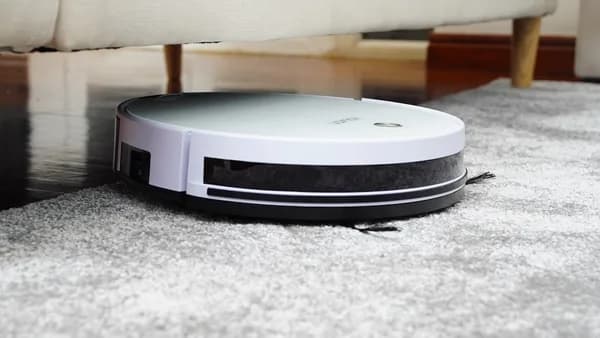
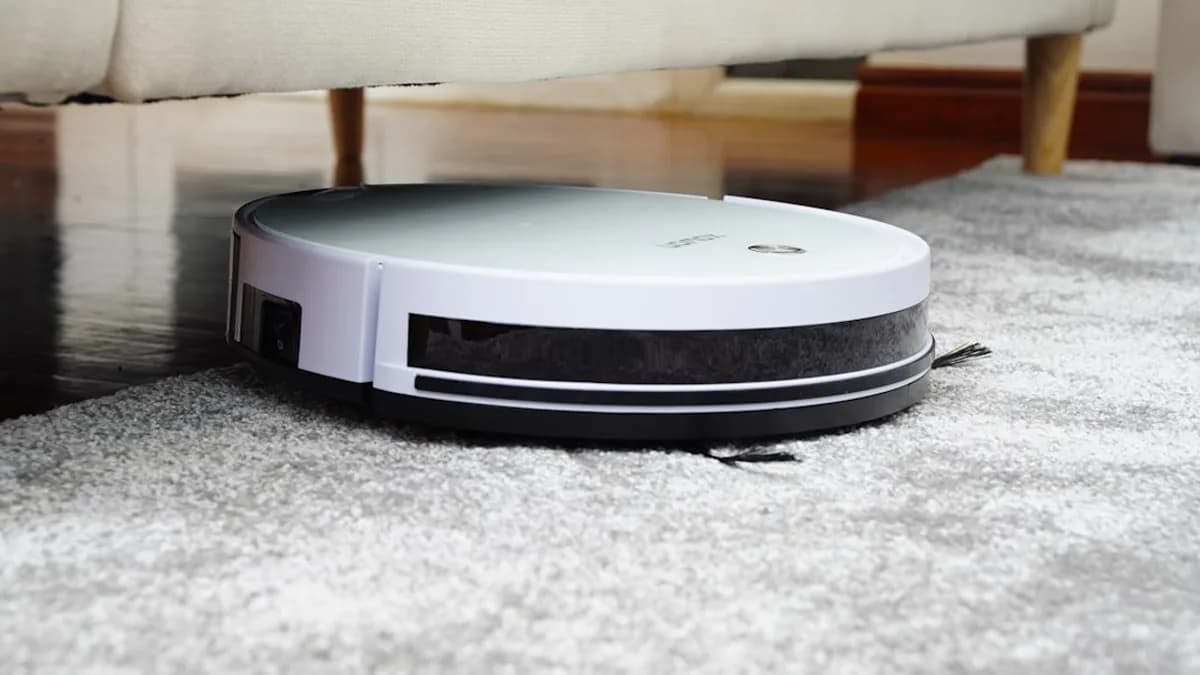
Roborock’s Qrevo Edge doesn’t just pad out the company’s crowded robot vacuum roster—it marks the first time the ultra-low profile of Roborock’s top-tier models appears in a mid-range device, according to Notebookcheck. Historically, robot vacuums at this price point have made users choose: pay up for a svelte bot that can slip under couches, or live with a chunky puck that cleans around obstacles instead of under them.
Why does this matter? Low-profile designs aren’t cosmetic. A slimmer vacuum can reach dust and debris beneath low-clearance furniture—an area most dirt-averse homeowners know is neglected by bulkier robots and upright vacuums alike. If Roborock has managed to maintain a competitive feature set while slimming down its mid-range offering, it’s not just an incremental upgrade—it’s a direct answer to one of the format’s most persistent annoyances.
What the Qrevo Edge Promises: A Feature Set Without Compromise
Roborock is positioning the Qrevo Edge as a device that refuses to compromise. Despite its mid-range status, Roborock claims the robot is “as slim as the brand’s flagship models” while packing an “extensive feature set.” The company doesn’t list specifics in the initial reveal, but the language signals an attempt to shrink the traditional gap between its most affordable and most advanced devices.
MLXIO analysis: In Roborock’s product hierarchy, “extensive feature set” typically refers to a blend of smart navigation, robust cleaning modes, and integration with smart home platforms. If the Qrevo Edge delivers a package that feels premium minus the flagship price, it could raise consumer expectations for what mid-range robots should do. But until the company shares details, it’s unclear which advanced features made the cut—and which ones were left behind to hit cost targets.
What We Know: The Hard Data Is Still Missing
For now, the hard numbers—the kinds that let reviewers and buyers draw real comparisons—are absent. Roborock hasn’t published the Qrevo Edge’s precise dimensions, battery specs, suction power, or decibel ratings. Nor are there early performance tests or third-party benchmarks. The only confirmed data points: it’s a mid-range robot, it matches the flagship models’ height, and it’s supposed to offer a broad feature set.
Without this information, the Qrevo Edge remains a black box. Consumers comparing it to Roborock’s Qrevo S Pro or flagship Saros series will need to wait for spec sheets and hands-on impressions before drawing conclusions about cleaning efficacy or value.
Early Signals: What We Can Infer About Reception and Impact
With so few specifics, it’s impossible to gauge consumer sentiment or expert consensus. There are no published reviews, no user feedback, and no competitor reactions documented in the source. The real test for the Qrevo Edge will come when users can see whether the “extensive feature set” lives up to expectations, or if the ultra-slim profile forced meaningful trade-offs.
MLXIO analysis: Roborock’s move to bring a signature design trait of its flagships into the mid-tier signals a shift in its product strategy. If the Qrevo Edge succeeds, expect buyers—and rival brands—to treat a slim chassis as table stakes rather than a luxury.
How Roborock’s Mid-Range Models Got Here
Roborock’s mid-range robots have always walked a tightrope between price and features. Previous models often sacrificed physical design and advanced navigation to hit lower price points, while saving the slickest builds and smartest systems for the S and Saros lines. The Qrevo Edge’s arrival suggests Roborock is feeling pressure to make these distinctions less obvious, likely in response to shifting consumer expectations or internal ambitions for brand consistency.
But without a side-by-side comparison of the Qrevo Edge and its predecessors, it’s unclear which features Roborock prioritized and which ones were cut. The company’s willingness to tout the Edge’s ultra-low profile hints at a strategic bet: that physical versatility now matters as much as raw cleaning power or app integrations.
Why This Launch Matters for Buyers and the Industry
For consumers, the Qrevo Edge could signal a new baseline for what a mid-range robot vacuum should be. If the device manages to offer true flagship-level slimness and a robust feature set without a price spike, it sets a new standard. But if those features are watered down, or if the slim design comes at the expense of battery life or cleaning ability, the launch could land with a thud.
For the industry, Roborock is drawing a line: mid-range doesn’t have to mean bulky. If the market responds, other brands will have to follow—or risk looking outdated by comparison.
What Remains Unclear—and What to Watch Next
The most glaring unknown is the Qrevo Edge’s actual feature list. “Extensive” is marketing-speak until proven otherwise. Buyers will want confirmation on navigation tech, mopping functions, battery life, and smart home compatibility. Early third-party reviews and teardown analyses will clarify whether the company has delivered a true flagship experience at a lower price—or simply repackaged its mid-tier hardware with a slimmer shell.
Watch for Roborock to release detailed specs and real-world testing in the coming weeks. If the Qrevo Edge manages to match or surpass the cleaning power and convenience of its more expensive siblings, it could force the entire market to rethink what “mid-range” means. If not, it may be remembered as an interesting design exercise that didn’t move the needle.
Until the data arrives, the Qrevo Edge is a promise—one that Roborock, and its competitors, will have to prove.
Why It Matters
- The Roborock Qrevo Edge brings ultra-low-profile design to a more affordable price tier.
- Slimmer robot vacuums can clean under furniture that bulkier models can't reach, improving overall cleanliness.
- If successful, this move could push competitors to offer more advanced features in mid-range robot vacuums.