Introduction: Roblox Reintroduces 'Games' Terminology
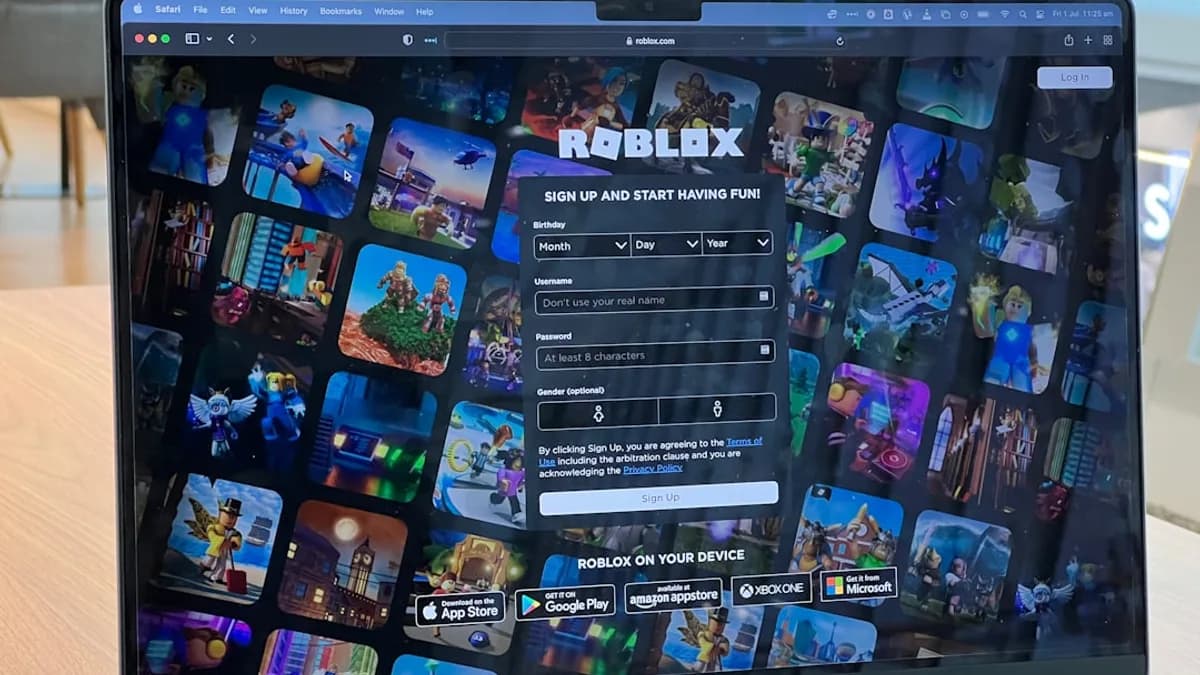
Roblox, the massively popular online platform known for enabling user-generated content, is making a notable shift in how it refers to its offerings. After three years of labeling its creations as "experiences" instead of "games," Roblox is bringing back the term "games" across its website and apps. This change marks a departure from the company's previous strategy, which was largely shaped by legal and industry pressures during the high-profile Epic Games v. Apple trial. The decision to revert to "games" signals a new chapter for Roblox, one that aims to better represent its platform and resonate with its vast and diverse community [Source: Source].
Background: The Terminology Shift Amid Legal Battles
In 2021, Roblox quietly replaced the word "game" with "experience" throughout its platform. This update affected everything from navigation menus to developer tools, and it was more than a simple rebrand; it was a strategic move influenced by the ongoing legal battle between Epic Games and Apple.
At the heart of the Epic v. Apple trial was the question of what constitutes a "game" versus an "app," a distinction with significant ramifications for app store policies, revenue sharing, and content moderation. Apple argued that certain types of interactive content—including those found on Roblox—should not be classified strictly as games, which could classify Roblox more as a platform or an app hosting a broad range of experiences, thereby sidestepping some of the App Store's stricter rules for games.
Roblox, which sits at the intersection of gaming, social media, and creative tools, responded by adopting the term "experiences" to describe the diverse content hosted on its platform. This shift allowed Roblox to distance itself from the traditional definitions of gaming at a time when the legal landscape was particularly fraught [Source: Source].
By positioning itself as a provider of "experiences," Roblox aimed to highlight the platform's versatility. Content on Roblox ranges from competitive multiplayer titles to social hangouts, educational simulations, and interactive art projects. The terminology change was a way to communicate this breadth to regulators, platform holders, and the public.
Why Roblox Is Returning to 'Games'
Now, with the legal dust settling and the platform's identity clearer, Roblox is re-embracing the term "games." According to Roblox spokesperson Juliet Chaitin-Lefcourt, the company has learned that "experiences" is not an intuitive term for many of its users. "Over time, we've learned that 'experiences' isn't an intuitive term for many parents, older players, and game developers," Chaitin-Lefcourt told The Verge. "'Games' is clearer and better reflects what Roblox is and where we're going" [Source: Source].
The feedback from the community has been a driving force behind this decision. Parents and older players, in particular, found the term "experiences" confusing or vague. For many, Roblox has always been associated with games—fun, interactive activities that their children or friends play. The shift away from this language created a disconnect, making it harder for users to understand what Roblox actually offers.
Developers, too, faced challenges. The term "experience" is broad and abstract, which complicated marketing, communication, and even the design process. Developers often had to clarify that their creations were, in essence, games—playable, structured activities with rules, goals, and interactivity. The return to "games" gives developers a clearer vocabulary and aligns better with how audiences naturally talk about Roblox content.
For Roblox, this change is also about signaling where the platform is headed. As the company continues to expand its offerings and push into new markets, using clear and familiar language is critical. "Games" not only resonates with existing users but also makes Roblox more approachable to newcomers who may be unfamiliar with its unique ecosystem.
Implications for Roblox Users and Developers
The decision to reintroduce "games" is likely to reshape how users and developers perceive and engage with Roblox content. For players, especially those new to the platform, this terminology provides clarity. It sets expectations that Roblox is a destination for gaming, making it easier to discover and understand the nature of the content available.
This clarity can also enhance engagement. When users know they are entering a world of games, they are more likely to explore, play, and share with friends. The term "games" carries a sense of fun, competition, and creativity that "experiences" may lack, potentially driving higher user retention and satisfaction.
For developers, the change simplifies communication and marketing. They can now promote their work as games, leveraging familiar language that resonates with audiences and fits within existing gaming communities. This could make it easier to attract new players and collaborators, and may even open up new opportunities for partnerships with brands and creators who are more comfortable associating with the term "game."
On a broader industry level, Roblox's decision reflects the evolving definition of what a game is in 2024. As platforms like Roblox, Fortnite, and Minecraft blur the lines between games, social spaces, and creative tools, the industry is moving toward a more inclusive understanding of interactive content. By returning to "games," Roblox acknowledges its roots while embracing the term's expanding scope.
This shift may also influence how regulators and platform holders approach similar platforms in the future. By confidently using "games," Roblox is staking a claim as a central player in the gaming industry, rather than sidestepping the label for legal or strategic reasons.
Conclusion: What This Means for the Future of Roblox
Roblox's return to the term "games" marks a significant moment for the platform and its community. This change is more than cosmetic; it reflects a deeper understanding of user needs, clearer communication with developers, and a renewed commitment to Roblox's core identity as a gaming platform [Source: Source].
As Roblox continues to grow and evolve, this refreshed terminology aligns with its ambitions to remain a leader in the gaming and creative industries. By embracing the word "games," Roblox is making its platform more accessible and intuitive, setting the stage for continued innovation and expansion in the years ahead.