Introduction: Microsoft’s Surface Price Surge Amid Memory Shortage
Microsoft has enacted a striking price increase across its Surface PC lineup, hiking costs by as much as $300 on models that are over two years old. Notably, the company has also discontinued its sub-$1,000 entry-level Surface devices, effectively raising the barrier to entry for consumers seeking affordable premium Windows hardware. This dramatic shift is not an isolated event but a direct response to a global memory chip shortage that’s disrupting supply chains and inflating component prices industry-wide [Source: Source]. The move highlights the vulnerability of the consumer electronics market to upstream shocks in semiconductor supply, and it raises important questions about accessibility, competition, and the future of personal computing.
Background: The Memory Crunch and Its Impact on Tech Hardware
The global technology industry is currently grappling with a severe memory chip shortage, with RAM (Random Access Memory) in particularly short supply. This crisis is rooted in a complex web of factors: pandemic-driven surges in electronics demand, supply chain disruptions due to geopolitical tensions and natural disasters, and the ever-increasing need for memory in everything from smartphones to data centers.
As a result, memory manufacturers have struggled to keep up, leading to sharp increases in component costs. According to industry analysts, the price of DRAM chips has risen steadily over the past year, with some estimates placing the increase at nearly 40% for certain configurations [Source: Source]. When the cost of such a critical component rises, hardware makers like Microsoft are forced to make difficult decisions—either eat the cost, which erodes margins, or pass it on to consumers.
History offers several parallels. For instance, the NAND flash shortage of 2017 led to significant price hikes for SSDs and portable storage devices, while the graphics card market has repeatedly suffered from similar supply shocks due to mining booms and factory fires. In each case, the immediate impact is higher prices and reduced product availability, with ripple effects felt across the consumer and enterprise technology landscape.
Detailed Analysis of Microsoft’s Surface Price Increases
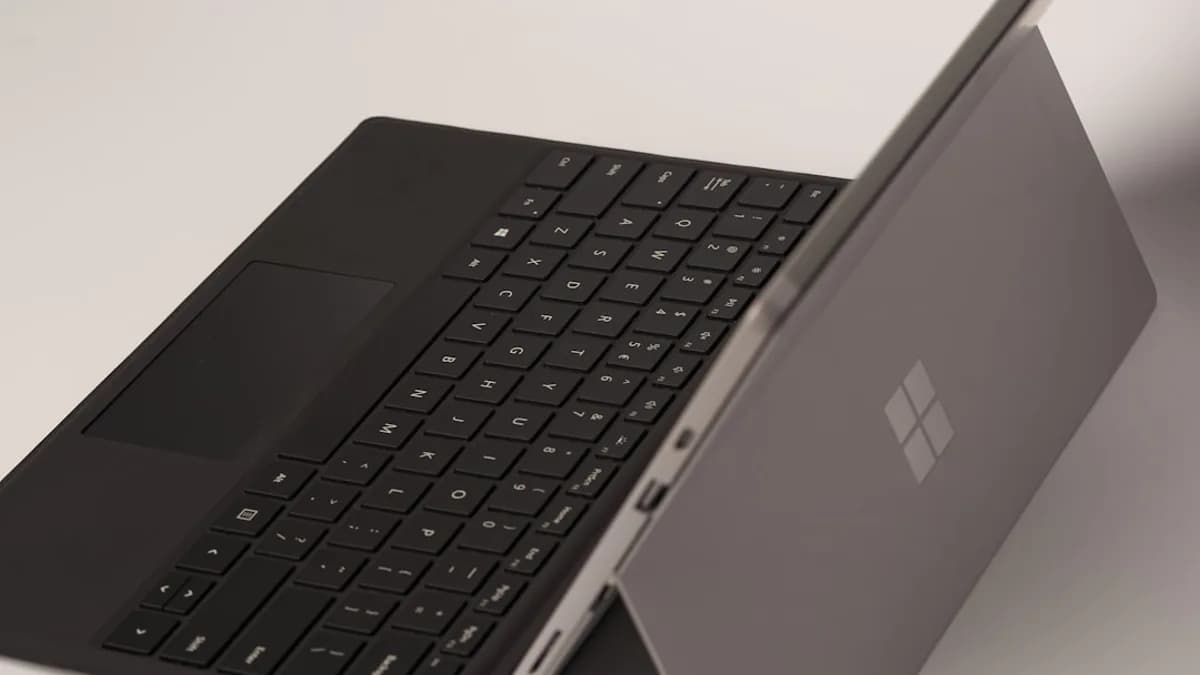
Microsoft’s recent price adjustments are among the most visible consumer-facing consequences of the ongoing memory crunch. Despite being on the market for two years, several Surface Pro and Surface Laptop configurations have seen their retail prices jump by $300. This is particularly notable because such older models typically see price reductions as they age, not increases [Source: Source].
The most significant change is the elimination of Microsoft’s sub-$1,000 Surface products. Previously, entry-level Surface Pro and Surface Laptop models—with modest memory and storage configurations—served as accessible points for students, educators, and budget-conscious buyers. These configurations are now absent from Microsoft’s online store, leaving only higher-spec (and higher-priced) variants available. For example, the base Surface Pro 9 and Surface Laptop 5 now start well above the $1,000 mark, and the more affordable options have been quietly phased out [Source: Source].
This strategy stands in stark contrast to competitors like Apple and Dell. While Apple has also faced rising component costs, it has thus far managed to keep its entry-level MacBook Air below the $1,000 threshold, at least in some configurations. Other PC makers have signaled potential price increases but have not executed price hikes of this magnitude on older models. This divergence suggests that Microsoft is making a calculated bet: consumers value the Surface brand and Windows ecosystem enough to tolerate higher prices, at least in the short term.
However, the removal of affordable Surface options could have broader implications for Microsoft’s market positioning. The Surface line has long been touted as a showcase for the best of Windows hardware, and these price hikes may risk ceding the lower end of the market to more competitively priced Chromebooks and budget PCs.
Market and Consumer Implications
Microsoft’s decision to raise Surface prices and remove lower-cost models is likely to have a multi-layered impact on both its own business and the broader PC market. The most immediate effect may be a decline in Surface sales volume, particularly among price-sensitive consumers such as students and small businesses who previously relied on affordable configurations [Source: Source].
As Surface devices move further out of reach for budget-conscious buyers, rivals offering lower-cost Windows laptops or even Chromebooks could see increased interest. This may result in a shift in market share, particularly in sectors like education where cost is a critical purchasing factor. Furthermore, the price hikes could test consumer loyalty to the Surface brand. While some buyers may be willing to pay a premium for Microsoft’s design and customer support, others could seek alternatives or delay upgrades until prices stabilize.
Beyond Microsoft, the ripple effects may be felt across the PC industry. If other manufacturers follow suit in response to ongoing memory shortages, consumers could face a wave of price increases across multiple brands and device categories. Alternatively, persistent high prices might accelerate the adoption of alternative computing devices such as tablets and refurbished hardware, as buyers seek value in a constrained market.
Microsoft’s Strategic Response and Future Outlook
Microsoft’s pricing adjustments reflect a broader strategic recalibration in response to an unpredictable component supply environment. By prioritizing higher-end Surface configurations, the company is likely seeking to preserve profit margins while managing limited inventory. This approach may also allow Microsoft to focus on consumers who are less price-sensitive and more invested in the premium Windows experience [Source: Source].
Looking ahead, industry experts suggest that memory supply constraints could persist into late 2024 or even 2025, depending on the pace of new fabrication plant development and the resolution of ongoing geopolitical tensions [Source: Source]. Until the supply chain normalizes, prices for memory-intensive devices are likely to remain elevated.
To mitigate future risks, Microsoft could explore several avenues. These include diversifying its supply chain, investing in long-term contracts with memory suppliers, or even redesigning Surface devices to be less memory-intensive without sacrificing performance. Additionally, the company could innovate on the software side, optimizing Windows for lower-memory configurations to squeeze more value out of each hardware dollar.
Conclusion: Navigating the RAMageddon Era in PC Pricing
Microsoft’s $300 price hikes on two-year-old Surface PCs and the discontinuation of affordable models underscore the far-reaching consequences of the global memory shortage. For consumers, the result is fewer choices and higher costs in the premium Windows device market. For Microsoft and its competitors, these developments highlight the need for agile supply chain management and strategic innovation in the face of ongoing component scarcity [Source: Source].
While the current “RAMageddon” era is proving to be a test of resilience for the entire PC industry, it is also spurring companies to rethink their approach to product design, pricing, and market segmentation. As supply chains gradually recover and memory prices stabilize, the hope is that competition and innovation will once again deliver greater value and choice for consumers. Until then, both buyers and sellers must navigate a challenging landscape—where adaptability and forward-thinking will be the keys to success.