Introduction: The Impact of RAM Shortages on Consumer Tech Pricing
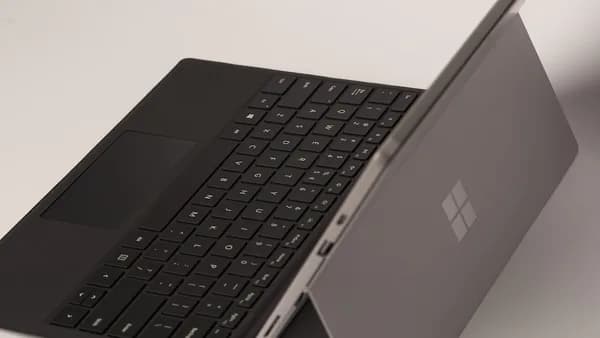
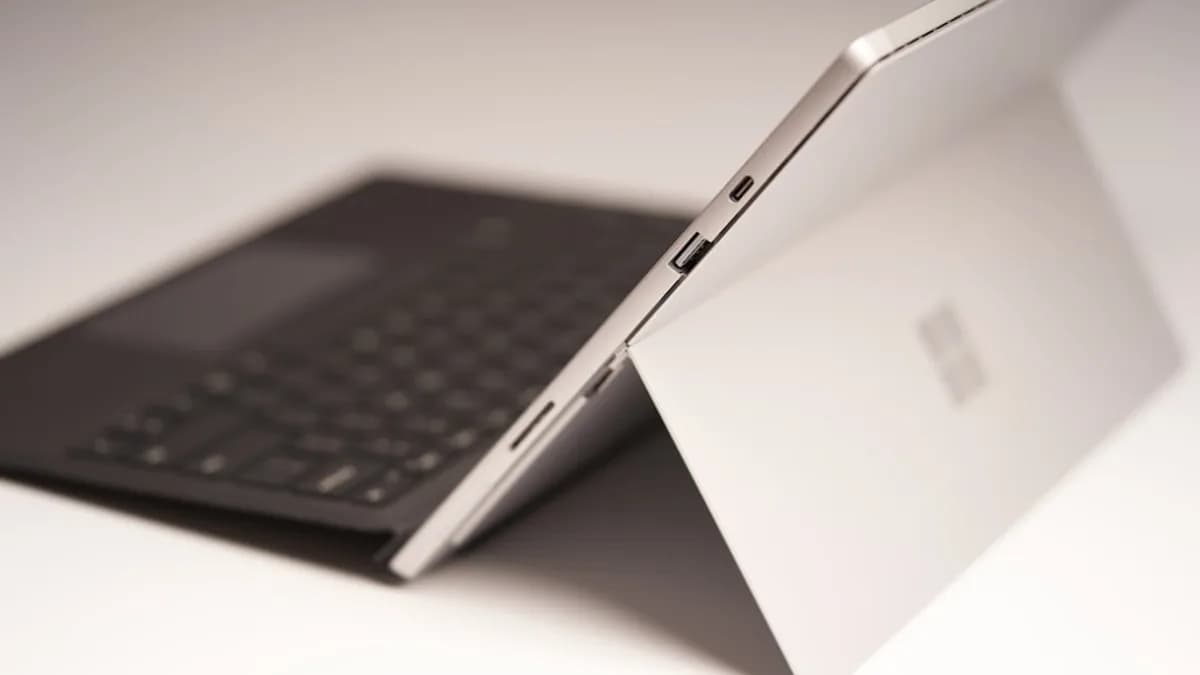
The global technology sector has weathered its fair share of supply chain disruptions in recent years, but the ongoing RAM shortage is particularly unsettling for both manufacturers and consumers. Memory chips, essential for powering modern devices from smartphones to laptops, have become increasingly scarce due to pandemic-related factory shutdowns, escalating demand, and geopolitical tensions. The latest casualty of this supply crunch? Microsoft’s Surface lineup. This week, the company announced a dramatic $500 price increase for its flagship Surface Pro 11 and Surface Laptop 7 models, raising the entry point from $999 to $1,499 [Source: Source]. For consumers and industry watchers alike, this move signals a new phase in the struggle between innovation, affordability, and the relentless march of component scarcity. As we unpack Microsoft’s response, questions abound: Is this a reasonable reaction to market forces, or a worrying sign of things to come?
Background: Microsoft’s Surface Pricing Strategy Amid Market Shifts
Microsoft’s pricing tactics for the Surface line have always been a delicate balancing act, aimed at appealing to a broad swath of customers while maintaining its reputation for premium hardware. Last year, the company quietly phased out the $999 versions of the Surface Pro 11 and Surface Laptop 7, replacing them with $1,199 models that offered increased storage capacity [Source: Source]. This shift was initially framed as a strategic repositioning—an attempt to make space for the newly launched, more affordable 12-inch Surface Pro and 13-inch Surface Laptop, which debuted in May.
At the time, these moves seemed logical. By segmenting its product range, Microsoft could offer entry-level devices to price-sensitive buyers while still catering to professionals and enthusiasts willing to pay a premium for more robust hardware. The introduction of cheaper Surface models provided an alternative for those priced out of the flagship devices, reinforcing Microsoft’s commitment to accessibility. Yet, even these new models have not escaped the ripple effects of the RAM shortage, as industry-wide component costs continue to rise. What was once a carefully calibrated pricing ecosystem now appears increasingly vulnerable to external shocks.
Analysis: The Consequences of the $500 Price Increase
The sheer magnitude of Microsoft’s latest price hike—a $500 leap for the Surface Pro 11 and Surface Laptop 7—cannot be overstated. In practical terms, this adjustment places these devices firmly in the high-end category, alienating a substantial portion of the market that previously considered them attainable [Source: Source]. The immediate cause, as reported by Windows Central and The Verge, is the global shortage of RAM, which has forced manufacturers to pay far more for memory chips and pass those costs onto consumers.
This move highlights the fragility of supply chains and the outsized influence of a single component on overall device pricing. While it’s true that RAM prices have spiked in recent months due to constrained supplies and strong demand, Microsoft’s decision to raise prices so dramatically is notable when compared to competing brands. Some rivals, such as Apple and Lenovo, have managed to buffer consumers from the worst of the cost increases, either by absorbing some of the expense or by offering flexible configurations with varying memory options.
For budget-conscious buyers, the $1,499 starting price represents a significant barrier. Students, freelancers, and small businesses—groups that have traditionally relied on the Surface lineup for its blend of portability and performance—may now find themselves searching elsewhere. The risk for Microsoft is not merely a short-term dip in sales, but a longer-term erosion of its brand’s accessibility and appeal. The company’s decision may reflect genuine cost pressures, but it also raises questions about whether the pricing is a direct response to market realities or a strategic move to reposition Surface as a luxury brand.
Opinion: Is Microsoft’s Pricing Strategy Justified or Short-Sighted?
Microsoft’s willingness to transfer the full brunt of the RAM shortage onto its customers is, in my view, a mixed bag—part pragmatic, part short-sighted. On the one hand, the company faces real and immediate challenges. The spike in RAM prices, combined with supply chain bottlenecks, means that producing high-performance devices is costlier than ever. In a competitive landscape defined by razor-thin margins and shifting consumer expectations, Microsoft’s price hike may seem like the only viable option to preserve profitability.
However, the decision to leapfrog entry-level pricing by $500 risks alienating a vast segment of its user base. Surface devices have long been celebrated for their versatility and relatively approachable price points. By making the flagship models prohibitively expensive, Microsoft is betting that consumers will either accept the new reality or shift to its cheaper, lower-spec alternatives. There is a danger here: brand loyalty is notoriously fickle, especially in a market where Apple, Dell, and Lenovo offer compelling alternatives with more stable pricing.
Microsoft could have pursued alternative strategies. Absorbing some of the cost increases, even temporarily, would have signaled a commitment to consumer value and helped sustain loyalty during a volatile period. Offering more flexible configurations—such as entry-level models with less RAM or modular upgrades—could also have softened the impact. Instead, the company’s approach feels abrupt, with little warning or adaptation to the needs of budget-conscious buyers.
The broader implication for the tech industry is sobering. If component shortages persist, and if major players continue to pass on costs without innovative solutions, device affordability may become a relic of the past. Consumers could face a bifurcated market: premium devices for those who can afford them, and stripped-down alternatives for everyone else. This risks stifling innovation, reducing consumer choice, and ultimately undermining the sector’s dynamism.
Conclusion: Navigating the Future of Device Pricing in a Volatile Market
The global RAM shortage has exposed the vulnerabilities of an industry built on complex supply chains and rapid innovation. Microsoft’s $500 price hike for its Surface Pro 11 and Surface Laptop 7 models is a stark reminder of how quickly market conditions can change, and how those changes ripple through every level of the consumer tech ecosystem [Source: Source]. While the company’s actions may be rooted in genuine cost pressures, they also highlight the need for greater transparency and more consumer-friendly pricing strategies during supply crises.
As component shortages continue, both manufacturers and consumers will need to adapt. For Microsoft and its competitors, the challenge will be to find ways to maintain accessibility and loyalty without sacrificing profitability. For buyers, the landscape is shifting—requiring greater vigilance, comparison shopping, and perhaps a willingness to explore new brands. The hope is that this “RAMageddon” will prompt not just price adjustments, but real innovation in how companies respond to supply volatility, keeping technology within reach for all.