Introduction: Encountering the Poetry Camera
When I first came across the Poetry Camera, I felt a genuine pang of curiosity and delight. Its appearance was inviting: a playful combination of white and cherry red, complemented by a color-matched woven strap. On a store shelf, it would stand out as a quirky, almost nostalgic object, begging to be picked up and examined. Yet, beneath this charming exterior lies a device that defies expectation. Instead of capturing images, this camera produces AI-generated poems inspired by whatever you point it at. Take a picture, and instead of a familiar photo, you receive a poem printed on thermal receipt paper—a whimsical twist on instant photography [Source: Source]. The result, however, is a blend of charm and frustration. While the Poetry Camera’s concept is undeniably creative, my experience with it left me more perplexed than inspired, raising questions about the role of novelty in technology and art.
The Allure of the Poetry Camera’s Design and Concept
There’s something undeniably appealing about the Poetry Camera’s physical presence. Its lo-fi aesthetic, reminiscent of retro gadgets, feels both modern and nostalgic. The cherry red and white palette is playful without being garish, and the woven strap adds a tactile element that makes the device even more approachable. If you’re drawn to objects that blend art and technology, this camera is a conversation starter—an embodiment of creativity in product design.
But the real novelty lies in its concept: combining the act of photography with instant AI-generated poetry. In a world saturated with digital photos and social media, the idea of capturing a moment and receiving a poem instead of a picture is refreshingly original. It’s easy to imagine the Poetry Camera sparking curiosity among friends, inviting users to reflect on scenes in a different way. The prospect of seeing a familiar landscape or a candid portrait translated into verse feels like an invitation to rediscover everyday moments through the lens of creativity. This emotional appeal is powerful; it teases the possibility of turning ordinary snapshots into something more—something reflective, evocative, and unique [Source: Source].
Experiencing the AI Poetry: From Expectation to Reality
The experience of using the Poetry Camera begins with genuine excitement. You raise the device, frame your scene, and press the shutter—anticipating a poetic revelation in place of a photograph. Moments later, a strip of thermal receipt paper emerges, bearing an AI-generated poem inspired by what the camera “saw.” The process is tactile and immediate, echoing the satisfaction of instant film, but with words instead of images.
Initially, I hoped these poems would offer fresh perspectives or unexpected insights—perhaps a clever metaphor, a poignant observation, or even a whimsical description. The first few attempts felt novel, and I found myself eager to try different environments, lighting, and subjects, curious to see how the AI would interpret the world around me.
However, after printing dozens of poems, the novelty began to wear thin. The poems often felt generic, lacking the specific resonance or emotional depth I had hoped for. Rather than capturing the unique essence of each scene, the verses seemed detached, repetitive, and occasionally nonsensical. Instead of feeling inspired, I started to feel frustrated—each output a reminder that the magic of the idea was lost in execution [Source: Source]. The Poetry Camera, for all its charm, struggled to turn everyday moments into meaningful poetry, leaving me longing for the clarity and immediacy of a simple photograph.
Why the AI Poetry Falls Short
To understand why the Poetry Camera’s output feels unsatisfying, it’s necessary to consider the limitations of AI-generated poetry. Poetry, at its best, is deeply personal—a distillation of emotion, experience, and perspective. The AI powering the Poetry Camera, however, lacks the context and intuition necessary to capture the essence of a scene or the feelings it might evoke.
The poems it generates often rely on broad, formulaic language and generic imagery, failing to connect with the specific moment or subject before the lens. There’s a noticeable absence of originality; the verses tend to repeat themes and phrases, and rarely offer anything surprising or insightful. The emotional depth that defines great poetry simply isn’t present—no subtlety, no vulnerability, no sense of discovery.
This lack of meaningful output quickly turns the novelty into disappointment. After a handful of uses, the poems become indistinguishable from one another, their uniqueness diluted by the limitations of the AI’s training data and algorithms. The Poetry Camera promises a new way to see the world, but the reality is that its AI poetry often feels like a gimmick—an experiment in creativity that falls short of its lofty ambitions [Source: Source]. In the end, the device’s charm is undermined by its inability to deliver a truly engaging or emotionally resonant experience.
The Missed Opportunity: Why I Wish It Just Took Pictures
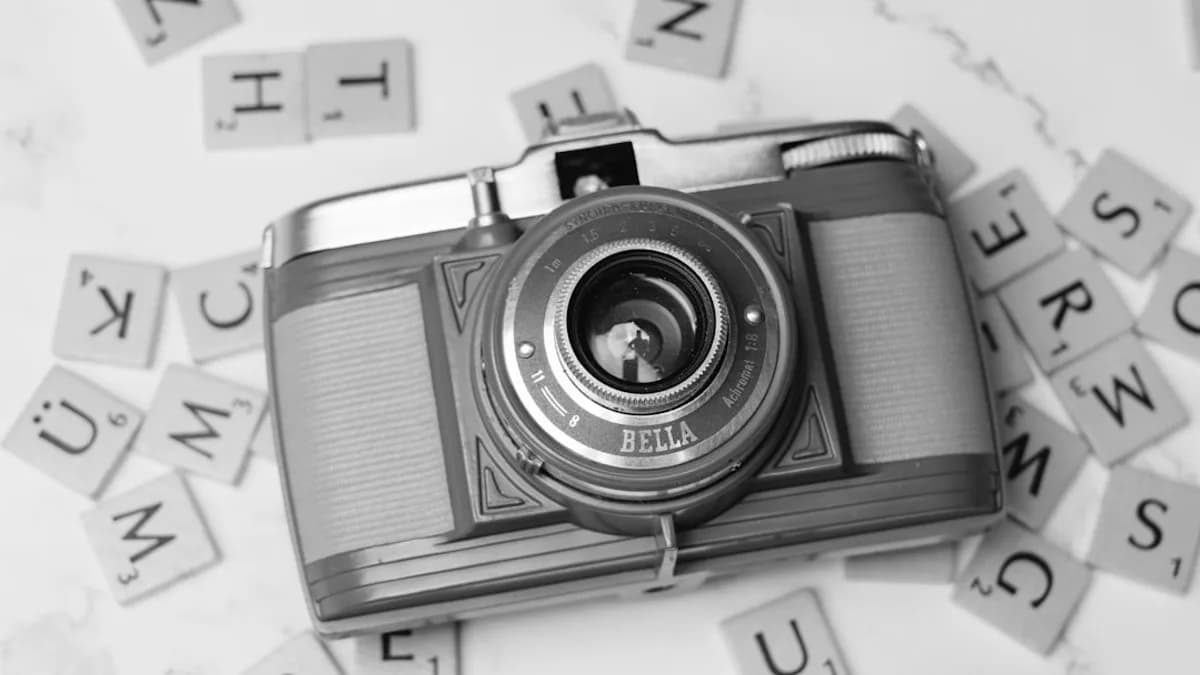
Reflecting on my time with the Poetry Camera, I can’t help but wish it simply functioned as a traditional instant camera. There’s a timeless appeal to capturing a moment and holding a physical photograph—a tangible memory that can be shared, displayed, or revisited. The tactile process of instant photography, with its imperfections and unpredictability, offers a genuine connection to the subject and the experience.
By focusing on AI poetry instead of images, the Poetry Camera sacrifices this clarity of purpose for the sake of novelty. While the idea is creative, it ultimately feels convoluted, as if the device is trying too hard to be different. Sometimes, simplicity is the most powerful design choice—a camera that takes pictures can be magical in its own right, without the need for additional gimmicks.
If the Poetry Camera embraced photography rather than AI-generated verse, it could have been a delightful, lo-fi instant camera—something that celebrates creativity through images, not awkward poetry. The missed opportunity is palpable: a device that could have blended charm, nostalgia, and functionality, but instead leaves users with a handful of uninspiring receipts and a lingering sense of frustration [Source: Source].
Conclusion: The Poetry Camera as a Lesson in Tech and Creativity
The Poetry Camera is a fascinating example of the tension between innovation and user experience. Its design and concept are undeniably charming, and it stands out as a creative experiment in blending art and technology. Yet, my experience with it was marked by frustration—the promise of poetic inspiration giving way to repetitive, uninspired output.
This device serves as a reminder that in technology, novelty should enhance—not overshadow—the core purpose and user experience. Meaningful innovation requires a balance between creativity and functionality, delivering something that genuinely enriches our interaction with the world. The Poetry Camera’s lesson is clear: charm and originality are important, but they must be grounded in thoughtful design and genuine utility. As we move forward, let’s encourage tech creators to pursue ideas that delight, inspire, and truly connect with their users—without losing sight of what makes a device meaningful [Source: Source].