
Introduction: Amazon’s Shift from Android to Vega OS on Fire TV Sticks
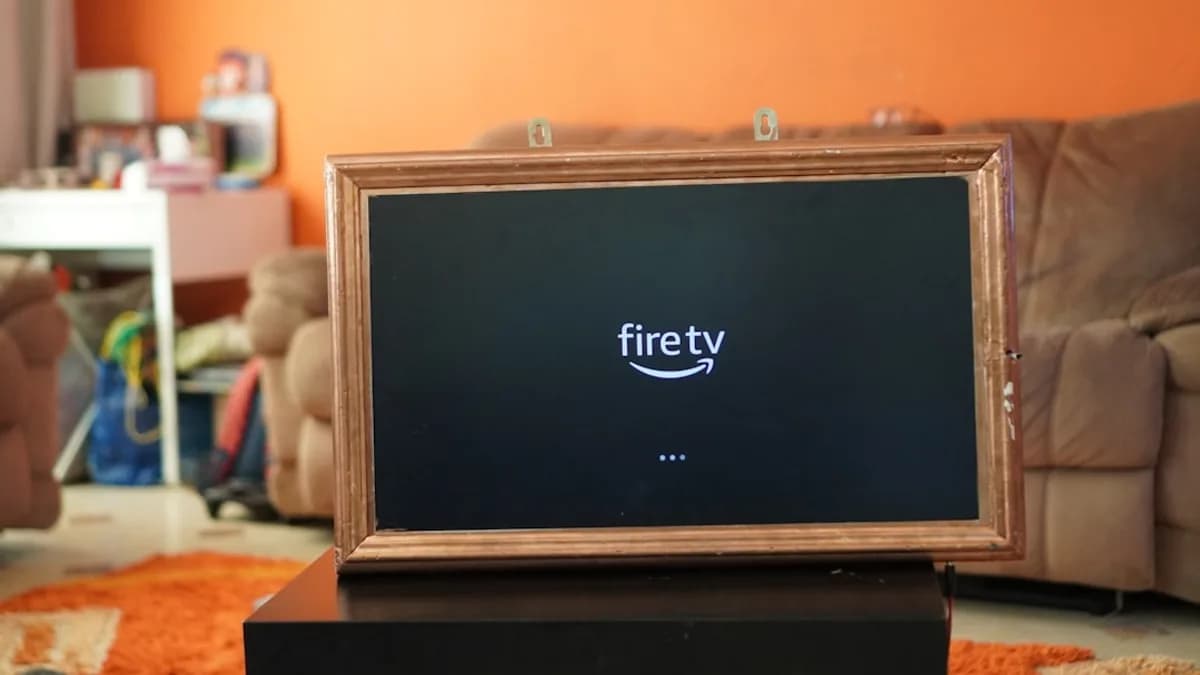
Amazon has announced a major shift in its streaming device strategy: the company will replace Android with its proprietary Vega OS on all future Fire TV Sticks. The change was unveiled alongside the launch of the latest Fire TV Stick model, which is the first to run exclusively on Vega OS rather than a modified version of Android [Source: Source]. This move marks a significant evolution for Amazon’s popular Fire TV ecosystem, which has relied on Android-based software since its inception. By developing and deploying Vega OS, Amazon aims to further differentiate its devices, streamline user experience, and strengthen its control over the platform. The announcement signals a new era for Fire TV, as Amazon stakes a claim in the increasingly competitive streaming device market.
What is Vega OS and How Does It Differ from Android?
Vega OS is Amazon’s custom-built operating system designed specifically for its Fire TV devices. Unlike previous Fire TV Sticks, which ran on a heavily modified version of Android, Vega OS is developed in-house to offer greater flexibility and tighter integration with Amazon services. Technically, Vega OS diverges from Android in several key areas: it is not based on Google’s open-source Android code, allowing Amazon to eliminate dependencies on Google’s ecosystem and update its platform independently.
Functionally, Vega OS streamlines the user interface, aiming for faster navigation, reduced clutter, and improved performance. Since it’s engineered from the ground up, Amazon can optimize Vega OS for Fire TV hardware, potentially resulting in quicker boot times, more responsive menus, and smoother playback.
Security is another focus. With Vega OS, Amazon can control security updates and privacy features without relying on Android’s update cycles, which have often been criticized for fragmentation and delays. Vega OS also allows deeper customization and integration with Alexa, Amazon Prime Video, and other Amazon services, giving the company more control over features and user experience.
For developers and users, Vega OS may initially look similar to the familiar Fire TV interface, but its underlying architecture is distinct, providing Amazon with more agility to innovate and adapt the platform as streaming needs evolve [Source: Source].
Why is Amazon Moving Away from Android on Fire TV Sticks?
Amazon’s decision to move away from Android is rooted in both technical and strategic motivations. Android, while flexible and widely supported, comes with certain limitations for device manufacturers. By relying on Android, Amazon had to work within the constraints of Google’s open-source framework, which could restrict customization, slow down updates, and create dependencies on Google’s software architecture.
Vega OS addresses these challenges by giving Amazon full autonomy over its software stack. This means Amazon can roll out updates faster, tailor features specifically for Fire TV users, and ensure tighter integration with its services. The move also strengthens Amazon’s control over user data, privacy, and security — areas where Android’s fragmentation has posed challenges.
Strategically, Vega OS aligns with Amazon’s broader goals of building a unified ecosystem. By crafting its own operating system, Amazon can create seamless experiences across devices, from smart speakers to streaming sticks, and reinforce its brand identity. It also reduces reliance on Google, a direct competitor in the streaming device space with Chromecast and Android TV.
Ultimately, transitioning to Vega OS positions Amazon to innovate more rapidly, respond to market trends, and better serve its global customer base. This strategic shift could help Amazon capture more value in the growing streaming device market and differentiate Fire TV from other Android-based competitors [Source: Source].
Impact on Users: What Fire TV Stick Owners Can Expect
For Fire TV Stick owners, the switch to Vega OS brings both immediate and long-term changes. The most noticeable difference will be in the user interface and overall device performance. Vega OS is designed to be faster and more responsive, reducing lag and streamlining navigation. Users can expect improved menu layouts, smoother app launches, and enhanced integration with Alexa voice commands.
In terms of app compatibility, the transition raises questions. Many Fire TV apps were originally built for Android, so Amazon is working to ensure that popular streaming services like Netflix, Disney+, and YouTube remain accessible on Vega OS. The company has stated that it will provide tools and support for developers to migrate their apps, aiming to minimize disruptions for users [Source: Source]. However, there may be a period of adjustment as the app ecosystem adapts to the new platform.
Updates and new features can also be delivered more efficiently with Vega OS. Amazon will no longer be tied to Android’s update schedule or limitations, allowing for quicker security patches and feature rollouts. This could translate to a more secure and up-to-date experience for users.
For existing Fire TV Stick owners, the switch to Vega OS will affect only new devices. Current models running Android will continue to receive support for now, but future upgrades and innovations will be centered around Vega OS. Buyers of new Fire TV Sticks will benefit from the optimized performance and fresh features of Vega OS, while those with older devices may eventually need to upgrade to access the latest advances.
The Latest Fire TV Stick Model: Features and Highlights
Amazon’s newest Fire TV Stick, which launches with Vega OS, is notable for both its design and internal upgrades. Marketed as the slimmest streaming device Amazon has ever made, the Fire TV Stick HD offers a compact form factor that fits discreetly behind televisions [Source: Source]. The device boasts improved hardware, including a faster processor, enhanced Wi-Fi connectivity, and support for high-definition streaming.
Compared to previous Fire TV Sticks running Android, the Vega OS-powered model delivers faster boot times, more responsive menus, and a streamlined setup process. The new stick also offers deeper integration with Alexa, enabling voice-powered search, smart home controls, and personalized recommendations.
A standout feature is the device’s ability to optimize streaming quality based on network conditions, reducing buffering and improving playback for users with variable internet speeds. The Fire TV Stick HD supports popular streaming services and apps, with Amazon promising continued expansion of compatible content.
This release is part of Amazon’s broader push to modernize its streaming hardware. By combining sleek design with a purpose-built operating system, Amazon is aiming to appeal to both new customers and existing Fire TV users seeking an upgrade [Source: Source]. The new stick sets the stage for future models, all of which will be based on Vega OS rather than Android.
Broader Industry Context: Streaming Devices and OS Trends
Amazon’s transition to Vega OS reflects a wider trend in the streaming device industry, where companies are increasingly building proprietary operating systems to differentiate their products. Roku has long operated its own OS, focused on simplicity and app availability. Google’s Chromecast and Android TV platforms leverage Google’s ecosystem, while Apple TV runs on tvOS, tightly integrated with Apple services.
By moving away from Android, Amazon joins other industry leaders in prioritizing control, performance, and brand identity. This shift enables Amazon to tailor its platform, accelerate innovation, and potentially offer more compelling features than competitors reliant on third-party operating systems.
The move could influence the broader market, encouraging device makers to invest in custom OS development and rethink partnerships with Google or other platform providers. As streaming devices become more central to home entertainment, the competition for seamless, secure, and differentiated experiences will intensify — and Amazon’s Vega OS may set new benchmarks for what users expect from their streaming devices [Source: Source].
Conclusion: What Amazon’s Vega OS Means for the Future of Fire TV
Amazon’s decision to replace Android with Vega OS on all future Fire TV Sticks marks a pivotal moment in the evolution of its streaming device ecosystem. This transition promises improved performance, tighter integration with Amazon services, and greater control over updates and security. For users, Vega OS could deliver a faster, more responsive experience and unlock new features that were previously limited by Android’s constraints.
While the move presents challenges for app developers and existing Fire TV Stick owners, Amazon’s commitment to supporting popular services and facilitating app migration should ease the transition. Long-term, Vega OS positions Amazon to innovate at a faster pace, strengthen its ecosystem, and compete more aggressively in the streaming device market.
As Fire TV enters its next phase, Amazon’s proprietary OS strategy could reshape both its own offerings and the broader industry, raising expectations for what streaming devices can deliver in terms of performance, security, and customization [Source: Source].