Orbitkey’s Grid Desk Organizer Raises the Stakes for Premium Desk Accessories
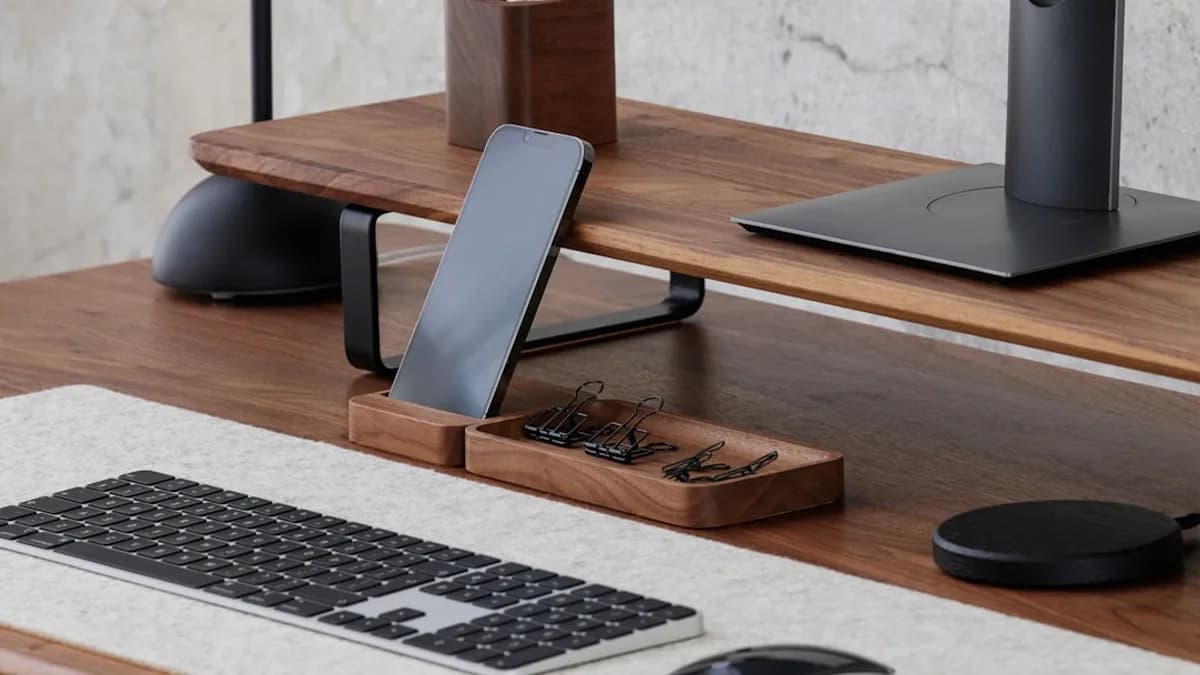
Orbitkey’s latest move signals a calculated escalation in workspace design. The new Grid Desk Organizer doesn’t just add another product to the lineup—it reasserts the company’s commitment to modularity and intentionality for professionals who demand more from their desks. This new launch, highlighted by 9to5Mac, aligns with the company’s track record: functional, design-forward solutions for tech-centric users.
Orbitkey isn’t new to the high-expectation accessories market. Their Nest Organizer set a precedent, and the Premium XL deskmat—with its magnetic cable system and layered storage—cemented their reputation among users looking for both order and aesthetics. The Grid Desk Organizer targets users who want their workspace to adapt as quickly as their workflow, without sacrificing the premium materials and understated style Orbitkey is known for.
What We Know: The Grid’s Modular Thesis
The “modular upgrade” branding is the core message. While technical details are limited, the modularity claim suggests a system designed to flex with user needs, moving beyond the fixed compartments of traditional organizers. The source does not break down the configuration options, but Orbitkey’s prior products hint at a focus on refined, purposeful construction—think clean lines, tactile materials, and solutions that solve specific daily annoyances rather than generic catch-all trays.
The Grid follows in the footsteps of the Nest Organizer, which made a mark with its elegant compartmentalization, and the Premium XL deskmat, noted for its magnetic cable management and paper storage layer. The pattern is clear: Orbitkey iterates on what actually works in live workspaces, not just what looks good in a promo shot.
Why It Matters: Intentional Workspace Design for Demanding Users
This launch matters because it’s not just another desk tray. Orbitkey’s Grid is designed for professionals who value both order and the ability to reconfigure their setups as tools and priorities shift. That’s a direct response to a working world where the boundaries between gadgets, notes, and cables blur—and where one-size-fits-all solutions fall flat.
Orbitkey’s focus on “useful, intentional” products is more than branding. Their previous hits didn’t chase every trend; they nailed a handful of pain points with quality materials and clever engineering. The Grid’s modular approach signals an intent to let users create a workspace that reflects their unique process, not just a generic “tidy desk” look.
What Is Still Unclear: The Limits of Modularity
Specifics on the Grid’s modularity are still under wraps. The source gives no breakdown of how sections attach, what components are included, or how users can expand or rearrange their setup. There’s also no detail on whether the system borrows features from the Premium XL deskmat—such as magnetic cable management—or introduces new tricks.
Another missing piece: the materials story. Orbitkey’s reputation for premium quality suggests the Grid will keep that standard, but there’s no confirmation in the source about finishes, build, or sustainability considerations. Without hands-on details or a full spec sheet, the real-world flexibility and tactile experience remain an open question.
What To Watch: Signals for the Next Workspace Frontier
A few signals will reveal whether the Grid Desk Organizer is a true leap or just an incremental update. First, how deeply modular is the system? If Orbitkey’s modular claim means users can truly reshape their desk as their tools and routines change, that sets a new bar for the category. If it’s a set of fixed components with limited reconfiguration, the impact might be softer.
Also worth tracking: whether Orbitkey extends the modular principle into future accessories or integrations. The company’s pattern of launching products that solve real, lived-in workspace challenges means the Grid could become a platform, not just a product. Finally, the market’s response—especially from tech-forward professionals who already bought into the Orbitkey approach—will determine if this modular vision resonates or needs refinement.
MLXIO Analysis: Orbitkey Bets on Adaptability and Taste
Orbitkey’s Grid Desk Organizer signals a belief that the future of workspace accessories lies in adaptability without compromise. The company’s past hits thrived because they solved real problems with restraint and polish. If the Grid truly delivers on modularity, it could push competitors to rethink how they serve users whose tools and tasks are always changing.
But the devil is in the details. Until Orbitkey reveals exactly how the Grid works—and whether it can grow and shift as quickly as users need—the product’s ultimate impact remains uncertain. The stakes are clear: professionals want order and flexibility, but they won’t settle for less-than-premium materials or half-baked solutions.
Watch for the first hands-on reports and deep dives from power users. If they find that the Grid’s modularity is more than skin deep, Orbitkey will have set a new standard for what a desk organizer can be. If not, the search for the truly adaptable workspace will continue.
Why It Matters
- The Grid Desk Organizer brings modularity to workspace organization, allowing users to customize setups for their workflow.
- Orbitkey’s focus on design and function enhances productivity and workspace aesthetics for professionals.
- This launch continues the trend of premium, intentional desk accessories aimed at tech-centric users.