Why Oppo’s 200MP Camera Sensor Could Redefine Smartphone Photography Standards
Oppo is betting the Reno16 series’ headline 200MP sensor will do more than just catch eyes in spec sheets—it’s a statement about where mobile imaging is headed. Announced ahead of its China launch, the Reno16 and Reno16 Pro’s leap to a 200MP main camera marks an escalation in the pixel wars that, until now, has mostly played out at the very top end of the market. This is Oppo pushing the conversation around smartphone photography far beyond its mid-cycle refresh, setting up the Reno16 as a device that could shift user expectations of what “high-res” really means according to Gsmarena.
Packing 200 million pixels into a sensor-sized chip isn’t just about blowing up billboard-sized prints. The practical impact is more nuanced—higher pixel counts can translate to finer detail, better digital zoom, and improved cropping flexibility. But that’s only true if the underlying sensor, processing pipeline, and lens system can keep up. Oppo hasn’t disclosed which sensor it’s using, but the move suggests confidence in its image signal processing and computational photography. There’s a technical balancing act here: managing noise, dynamic range, and low-light performance as pixel sizes shrink and data streams swell.
This kind of pixel density forces innovation in how images are captured and processed. We’re likely to see pixel-binning algorithms that combine data from multiple pixels for enhanced night shots, and potentially smarter HDR. It’s a showcase for Oppo’s hardware ambitions, but also a test of its software optimization: can it deliver the real-world image quality that a 200MP number implies—or does it risk falling into the trap of “bigger is better” marketing?
Breaking Down the Triple Rear Camera Setup: What Each Lens Brings to the Table
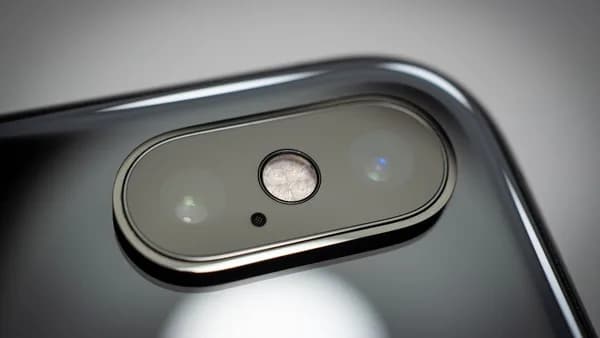
The Reno16’s rear camera array isn’t just about headline numbers. Oppo’s configuration—the 200MP main, a 50MP periscope telephoto, and a 50MP ultrawide—signals a deliberate strategy to maximize photographic versatility.
The 200MP primary is the workhorse, expected to handle most shooting scenarios with detail and clarity. The 50MP periscope telephoto is likely designed for serious optical zoom, not just digital crop—enabling shots that capture distant subjects without the typical smartphone mushiness. Periscope modules use clever lens arrangements to achieve longer focal lengths in thin bodies, and a 50MP sensor means zoomed images don’t instantly lose detail.
The 50MP ultrawide unit is a stand-out in its own right. Most rivals drop resolution sharply for ultrawide lenses, treating them as afterthoughts. Here, Oppo is giving the ultrawide serious hardware muscle, which should translate into sharper landscapes, group shots, and interiors—especially in challenging light.
On the front, Oppo’s inclusion of a 50MP ultrawide selfie camera is a clear nod to social content creators and group selfie fans. This isn’t just about squeezing more people into a frame; high-res ultrawide selfies could open up new creative possibilities for short-form video, vlogging, or travel content, assuming image processing holds up.
Combined, this triple rear setup isn’t just overkill. It’s a platform for users who want pro-level flexibility without carrying multiple devices. And it’s a direct signal to competitors: Oppo is raising the bar on what’s possible in non-flagship smartphones.
The Numbers Behind Oppo Reno16’s Camera Specs: What the Data Tells Us
On paper, the Reno16 and Reno16 Pro’s camera specs are some of the most aggressive in their class. Both offer:
- Rear cameras: 200MP main sensor, 50MP periscope telephoto, 50MP ultrawide
- Front camera: 50MP ultrawide selfie shooter
Oppo hasn’t detailed sensor models, aperture sizes, or image stabilization specifics. But the sheer megapixel count puts the Reno16 series at the top of the mid-cycle segment for photographic hardware—surpassing the Reno15’s setup and, in some cases, matching or beating what’s found in more expensive flagships.
The 200MP main sensor is a clear leap from the previous generation, which, according to leaks, peaked at 50MP for the main camera. The triple-50MP supporting cast means the Reno16 doesn’t sacrifice detail for versatility—every lens is a heavy hitter. For context, most mid-range or even premium competitors settle for 8-12MP on ultrawide and 2-12MP on telephoto. Oppo’s move here is to make “no compromise” the baseline.
The one unanswered question: whether all this resolution is paired with large sensor sizes and advanced optics, or whether the numbers are doing most of the work. Until Oppo reveals those details, the real-world impact remains an open question.
Diverse Stakeholder Perspectives on Oppo’s Camera Innovations
Consumers will see the 200MP sensor as a headline-grabber, promising crisper photos and more creative freedom. For casual photographers, it means the Reno16 series could replace a dedicated camera for everyday shooting. Content creators—especially those who rely heavily on social media—may find the 50MP ultrawide selfie camera a differentiator, enabling group selfies and video content that previously demanded accessories or external cameras.
Photography enthusiasts, though, will scrutinize beyond the megapixel count. They’ll be looking for sensor quality, lens clarity, dynamic range, and how well Oppo’s software handles noise and color in real-world conditions. If the processing pipeline can’t keep up, all those pixels may not translate to better images.
Industry experts will read this as Oppo’s attempt to carve out a fresh identity in a crowded field, using hardware specs as both a marketing tool and a real differentiator. This aligns with Oppo’s history of pushing hardware boundaries to boost its profile in China and globally.
Potential criticisms are obvious: battery drain from processing giant image files, slower image capture, and the risk of over-promising on photo quality when software and optics matter just as much as sensor size. Oppo’s track record with computational photography will be under a microscope.
Tracing the Evolution of Smartphone Cameras Leading to Oppo’s Latest Breakthrough
The last decade of smartphone photography has been a relentless pixel climb, from single-digit megapixels to the triple-digit territory Oppo now claims. Early camera phones offered 2MP or 3MP sensors—novelties at best. The first serious wave of mobile photography hit with 8MP and 12MP sensors, and quickly escalated as hardware makers realized that “more megapixels” sold phones, even when the optics and processing weren’t up to par.
Oppo’s own trajectory mirrors this industry arc. The Reno15 series, launched just months prior, topped out at 50MP on the main sensor—already a strong showing for the segment. Now, the Reno16 doubles and quadruples that across its camera lineup. The inclusion of a 50MP periscope telephoto and ultrawide is also a leap; previous models and many competitors have treated these as secondary features.
What’s changed isn’t just the sensor. Over time, advances in pixel-binning, AI-powered scene detection, and image stabilization have made these eye-popping specs usable, not just theoretical. Oppo’s move to a 200MP sensor—if backed by credible software and optics—marks the moment where hardware excess could finally converge with real-world benefits. It’s the latest chapter in a story that’s increasingly about computational photography as much as raw megapixels.
What Oppo Reno16’s Camera Features Mean for Mobile Photography Enthusiasts and Everyday Users
For enthusiasts, the Reno16 series is a toolkit in your pocket. The ability to shoot at 200MP, zoom with credible optical quality, and snap ultrawide shots at a resolution that rivals some DSLRs means creative limitations are shrinking. The 50MP ultrawide selfie camera could appeal to vloggers, influencers, or anyone who wants group shots without sacrificing image quality.
For the average user, these specs mean “point-and-shoot” just got more forgiving. You can crop photos aggressively, zoom in without instant pixelation, and trust that wide shots will hold up on a big screen. There’s a clear play here for social media users: higher-res images and videos mean your posts stand out, and editing flexibility increases.
But the real impact will depend on Oppo’s tuning—how well the device balances battery life, speed, and ease of use with all this hardware muscle. If the software delivers, the Reno16 could set a new bar for what mid-to-high-end phones can do, especially for users who care about mobile photography but aren’t buying ultra-premium flagships.
Future Outlook: How Oppo’s Camera Innovations Could Shape Upcoming Smartphone Trends
Oppo’s camera choices in the Reno16 series are a gauntlet thrown at the feet of the industry. If the 200MP sensor and triple-50MP setup deliver in real-world use, expect rivals to escalate their own hardware arms race—especially in the Chinese market, where Oppo is already a top contender. It’s reasonable to infer that AI-driven enhancements and advanced image processing will become even more central; these huge sensors demand serious software muscle to make all those pixels count.
The move also hints at a near future where ultrawide and telephoto cameras are no longer afterthoughts but co-equal to the main sensor—raising the bar for what “all-purpose” camera phones should offer. Oppo’s focus on a high-res ultrawide selfie camera could push the market to rethink front-facing shooters as more than just a checkbox.
What remains unclear: will battery life, device thickness, and processing speed keep pace with the demands of these sensors? Will Oppo’s image processing pipeline stand up in low light, fast action, and video?
What to watch: Early reviews and camera samples will be critical. If the Reno16 series avoids the pitfalls of past “megapixel monsters”—slow performance, mediocre low-light output, or battery drain—Oppo could shift user expectations for what a mid-cycle phone can deliver. If not, the lesson will be clear: megapixels alone aren’t enough. The next few months will reveal whether Oppo’s bet on hardware is matched by the software and user experience that makes those specs meaningful.
Why It Matters
- Oppo's 200MP camera sensor in the Reno16 series could set new standards for smartphone photography detail and flexibility.
- The push for higher pixel counts drives innovation in image processing and could improve features like digital zoom and low-light performance.
- This launch signals increasing competition in mobile imaging, raising consumer expectations even in non-flagship devices.