Why OpenAI’s Threat of Legal Action Against Apple Could Reshape AI Partnerships
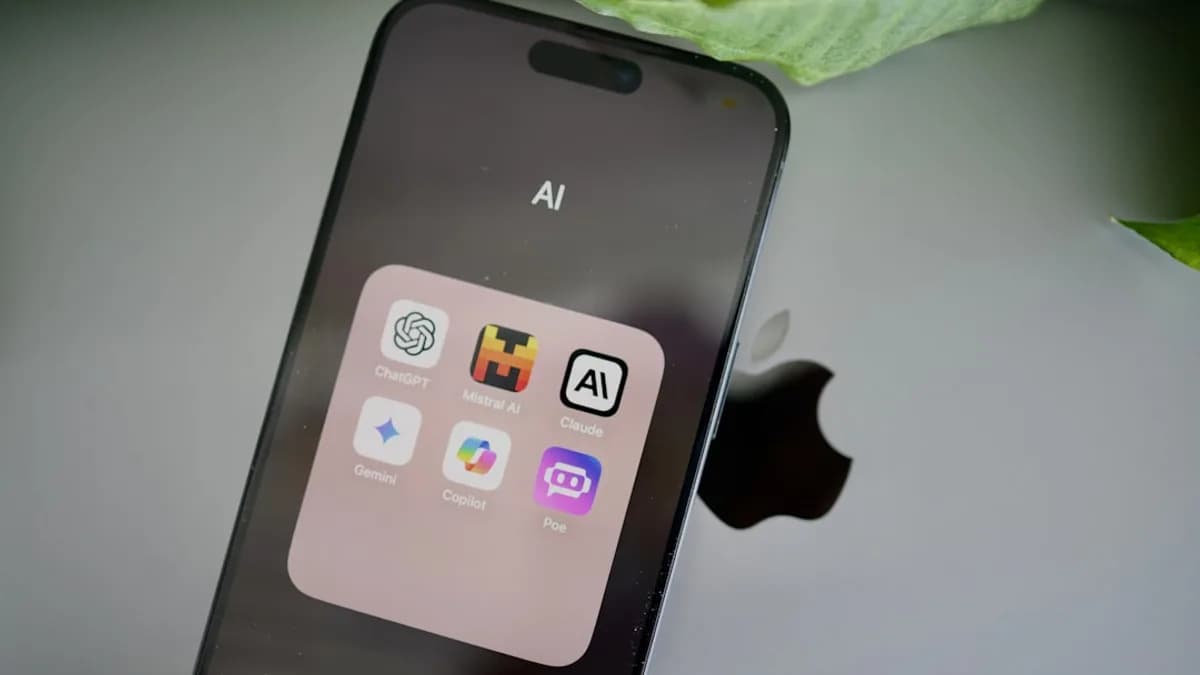
OpenAI is reportedly preparing legal action against Apple—its own partner—over the integration of ChatGPT with Siri in iOS 18. That’s not just a dispute; it’s a warning shot that could ripple through every future AI deal in big tech, according to 9to5Mac. This is the kind of rift that rarely erupts in public between companies with so much at stake and, if it escalates, could chill the appetite for major AI integrations in consumer platforms.
Apple and OpenAI’s collaboration to bring ChatGPT’s capabilities to Siri marked a milestone for both. For Apple, it was a way to inject fresh intelligence into its assistant. For OpenAI, it promised massive reach into the iPhone user base. Now, OpenAI isn’t just dissatisfied—it’s considering litigation. That signals a breakdown so severe that negotiation may not be enough to fix it.
The mere threat of legal action—especially over a flagship partnership—raises alarms for developers, investors, and tech giants alike. If OpenAI is willing to take on Apple in court, every future contract between an AI model provider and a platform owner will get more scrutiny, more lawyers, and more caution. This is about more than one partnership gone sour; it’s a shot across the bow for the entire sector.
Unpacking the Numbers: What Data Reveals About the Siri-ChatGPT Partnership Performance
Concrete performance data about the Siri-ChatGPT integration is conspicuously absent in the reporting so far. Apple and OpenAI have not released usage statistics, adoption rates, or financial breakdowns tied to the rollout in iOS 18. That lack of transparency itself is telling—the deal was supposed to be a showcase for both brands, yet neither is touting metrics.
This silence leaves the true impact of the partnership an open question. Was ChatGPT driving meaningful engagement for Siri? Did the integration meet internal targets for user satisfaction or technical reliability? The market expected the deal to set a new standard for voice assistants, but without hard numbers, it’s impossible to gauge whether it delivered on that promise.
Financial stakes must be significant, given the scale of iOS and the prominence of ChatGPT. But in the absence of public numbers or even leaked figures, the industry is left to speculate. What is clear: the partnership was important enough for OpenAI to consider legal escalation over how it played out.
Diverse Stakeholder Perspectives on the OpenAI-Apple Rift
From OpenAI’s side, the dissatisfaction has escalated to the point of legal threat. That suggests deep frustration, though the details remain under wraps. Did Apple overstep some contractual line, undermine OpenAI’s brand, or fail to deliver on agreed commitments? The source does not specify.
Apple’s perspective is not detailed in the reporting. The company has not issued statements about the dispute or its handling of the Siri-ChatGPT integration. Silence from Cupertino could signal behind-the-scenes negotiations—or simply a strategy to avoid amplifying the controversy.
Industry analysts watching from the sidelines see the dispute as a critical test for high-profile AI partnerships. When two leaders in tech can’t resolve their issues quietly, it signals structural risks in how these deals are built. For AI ethics experts, the lack of clarity raises questions about transparency, user data handling, and the allocation of value in AI-driven products.
How Past Tech Partnerships Inform the Current OpenAI-Apple Conflict
Tech history is littered with alliances that soured, but direct legal threats between top-tier partners remain rare. Most public disputes surface after a partnership collapses, not while a deal is still active and visible to consumers.
The Siri-ChatGPT deal is notable because it brought together a core platform owner and the leading name in generative AI. Previous attempts to embed third-party AI into consumer devices have usually relied on API licensing, not deep integration at the operating system level. If this partnership unravels in court, it could serve as a case study in the limits of collaboration between product gatekeepers and AI innovators.
Lessons from earlier disputes—such as the challenges of balancing control, attribution, and monetization—are clearly still unresolved. This conflict shows that even deals at the highest level can falter when expectations collide.
What OpenAI’s Legal Threat Means for AI Developers and the Tech Industry at Large
OpenAI’s willingness to escalate signals a new level of risk for AI partnerships. Developers and AI companies will now be warier when negotiating access to core platforms, and platform owners may demand stricter terms or more control. Trust—the lifeblood of any integration—takes a hit when the threat of litigation becomes part of the process.
The outcome here could shape how APIs, branding, and data rights are handled in future AI deals. If OpenAI and Apple can’t resolve their differences, others will see partnership as a gamble rather than an opportunity. For consumers, the risk is that innovation slows as companies hedge against legal fallout instead of delivering new features.
Predicting the Future: Possible Outcomes of the OpenAI and Apple Dispute
Several scenarios are now in play. Settlement is possible if both sides see the risk of a public legal battle as too great. Prolonged litigation could delay new features for Siri, stall iOS 18’s AI roadmap, and force other tech firms to rethink planned integrations.
The most significant shift would come if legal action sets new precedents around the terms of AI partnerships—making deals more complex, less flexible, and slower to close. Alternatively, if the dispute is resolved quietly, it may encourage other AI firms to push harder for their interests in future negotiations.
What remains unknown: the exact trigger for OpenAI’s discontent, whether Apple will respond publicly, and how the dispute will affect the user experience in iOS 18. The industry will be watching for any sign of public filings, executive comments, or changes to Siri’s AI capabilities. If this escalates, it could redraw the boundaries of AI collaboration in consumer tech.
Impact Analysis
- OpenAI’s legal threat against Apple signals rising tensions in high-stakes AI collaborations.
- The dispute could make future AI partnerships more cautious and legally complex.
- Lack of transparency around the Siri-ChatGPT deal raises concerns for investors and developers.