Why OpenAI’s Accelerated Smartphone Launch Could Disrupt the Mobile Industry
OpenAI isn’t waiting until 2028 to flood the market with its AI agent phone; Ming-Chi Kuo says mass production could start in the first half of 2027, a full year ahead of previous projections. This isn’t just a calendar tweak. It signals OpenAI’s intent to outpace rivals in the AI phone race, and it’s happening as the industry scrambles to define what “AI-first” hardware really means.
The shift is fueled by two converging forces: surging demand for AI-infused devices and OpenAI’s rumored rush toward a public offering. Investors crave tangible, consumer-facing products — not just APIs or cloud services — and a flagship phone could anchor OpenAI’s narrative ahead of an IPO. This mirrors moves from Apple and Google, which have historically timed major launches to coincide with financial milestones, sparking market hype and investor confidence.
Competition is heating up. Samsung’s Galaxy S24 and Google’s Pixel 8 already tout “AI features,” but they remain, at their core, conventional smartphones with algorithmic overlays. OpenAI’s device, by contrast, promises an agent-centric interface — a leap from incremental updates to fundamental rethinking. If the company nails execution, it could force legacy players to accelerate their own roadmaps, or risk losing first-mover advantage in a market expected to top 250 million AI-enabled phones shipped by 2027, according to IDC.
The stakes are immense. A successful launch would not only redefine how consumers interact with mobile devices but also pressure hardware and software incumbents to retool their strategies — fast. The next year will reveal whether OpenAI’s gamble triggers a new wave of innovation or simply sets the stage for a costly battle over who owns the “AI phone” category, according to Gsmarena.
Decoding the Custom Dimensity SoC: What OpenAI’s Choice Means for AI Phones
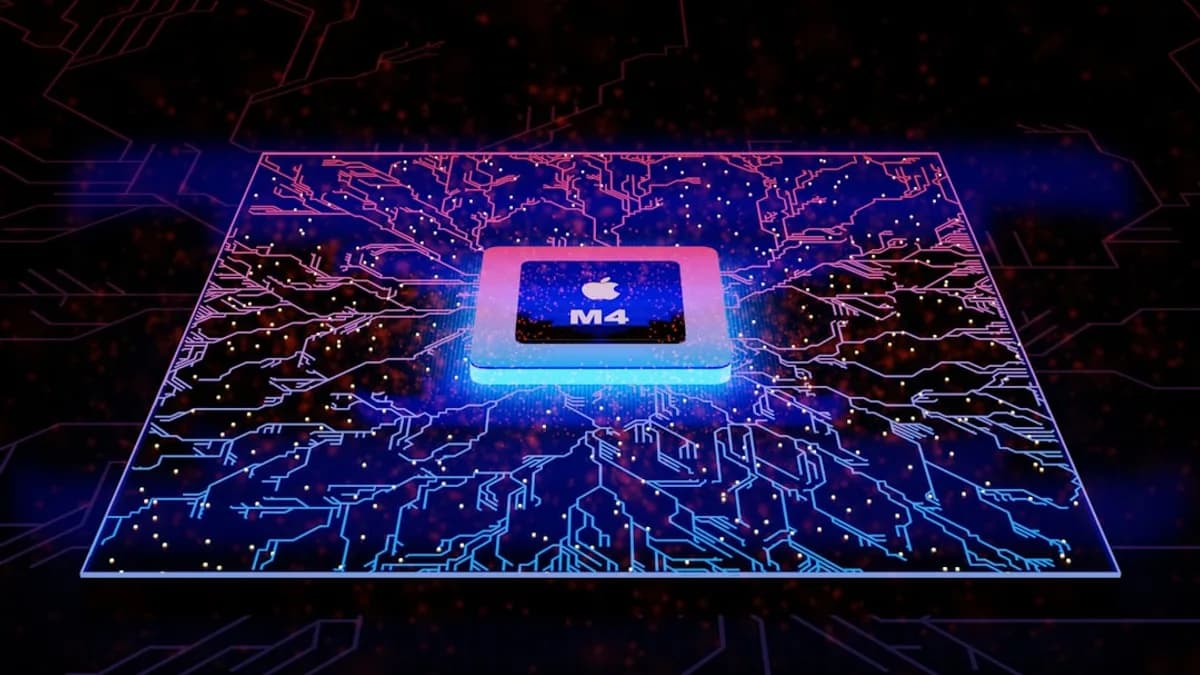
OpenAI’s decision to use a custom MediaTek Dimensity system-on-chip isn’t about branding — it’s about squeezing more performance from silicon than any off-the-shelf solution can offer. Most AI-capable smartphones rely on Qualcomm’s Snapdragon or Apple’s A-series chips, which serve general-purpose computing needs and bolt on AI acceleration as an afterthought. MediaTek’s Dimensity 9600, slated for customization here, flips that script.
By tailoring the SoC, OpenAI can optimize neural processing units (NPUs) for its proprietary agent models, reducing latency and power consumption. This matters. Today’s “AI features” — from real-time translation to camera enhancements — often run on cloud servers, draining battery and risking privacy. Local processing on a custom chip means faster responses, more reliable privacy, and lower operating costs. For instance, MediaTek claims its NPUs can run transformer models with up to 40% greater efficiency than standard CPUs, a critical edge for always-on agents.
Contrast this with Qualcomm’s AI Engine, which, while powerful, is constrained by broad compatibility requirements. OpenAI’s bespoke approach could enable specialized instructions, dynamic memory allocation, and tighter integration with sensors — features that general chips can’t match without trade-offs. If MediaTek delivers, OpenAI may set new benchmarks for on-device AI, compelling rivals to rethink their hardware stacks.
This isn’t unprecedented. Google’s Tensor chip, built for Pixel phones, enabled unique experiences like “Live Translate” and “Magic Eraser.” But OpenAI’s ambition is bigger: a platform where the chip, agent, and interface are inextricably linked. The risk? Custom silicon is expensive and risky to scale. If OpenAI nails it, though, proprietary hardware could become the new battleground in AI phone differentiation.
Crunching the Numbers: Market Data Behind the AI-Powered Smartphone Surge
The AI phone market isn’t just hype — it’s rapidly shifting from niche to mainstream. IDC projects that AI-enabled smartphones will account for 17% of global shipments by 2027, up from 7% this year. That translates to roughly 250 million units, dwarfing early smart speaker adoption and rivaling the pace at which 4G phones overtook 3G.
Consumers aren’t just buying buzzwords. Deloitte’s 2024 Global Mobile Consumer Survey shows that 68% of respondents expect their next phone to have “advanced AI features” — up from 41% two years ago. The most requested functions: context-aware search, proactive reminders, and privacy-first voice agents. This shifts the value proposition from camera megapixels and screen resolution to integrated intelligence.
Capital is flooding the space. In Q1 2024, private investment in AI phone startups and related chip firms topped $2.8 billion, according to PitchBook — a 60% jump year-on-year. MediaTek alone secured $400 million in new R&D funding for AI chip development, while smaller players like Rabbit and Humane, despite limited commercial traction, have raised over $200 million each, betting that agent-centric devices will carve out new market niches.
Valuations are climbing. OpenAI’s own valuation, post-Sora launch and amidst phone rumors, soared past $80 billion, positioning it as a top contender to challenge entrenched mobile giants. If the company succeeds, expect the AI phone segment to command premium pricing and higher margins, reshaping how device makers monetize hardware and services.
Stakeholder Perspectives: How Industry Players and Consumers View OpenAI’s Entry
Smartphone manufacturers are nervous. Apple and Samsung, while publicly touting their AI credentials, have yet to offer a truly agent-first experience. OpenAI’s entry threatens to leapfrog incremental upgrades, risking customer loyalty and forcing rivals into catch-up mode. Qualcomm and MediaTek, meanwhile, see partnership potential — but Qualcomm risks losing ground if MediaTek becomes the go-to for custom AI silicon.
AI developers are watching closely. For years, they’ve been boxed in by platform constraints — restricted APIs, limited local processing, and opaque OS policies. OpenAI’s phone, if open enough, could unlock new opportunities for agent-driven apps and services, shifting the balance of power from OS vendors to model providers. But if it’s a closed system, developers may face familiar gatekeeping.
Consumers are excited but wary. Surveys suggest high interest in “personalized, proactive AI” but lingering fears around privacy and surveillance. OpenAI’s reputation for transparency will be tested; on-device processing could assuage concerns, but persistent connectivity and data collection would spark regulatory scrutiny.
Regulators are preparing for battle. With the EU’s AI Act and US FTC probing generative AI, the move to agent-centric phones raises new questions: Who owns conversational data? How are agent decisions audited? Early guidance from Europe suggests mandatory disclosure and opt-out features, but implementation will be messy. If OpenAI’s phone launches globally, it will need to navigate fragmented compliance regimes and mounting public pressure.
Tracing the Evolution: How AI Agent Phones Have Progressed to This Pivotal Moment
The AI phone concept didn’t emerge overnight. Samsung’s Bixby (2017), Google Assistant’s deep integration in Pixel (2016), and Apple’s Siri enhancements set early benchmarks, but their “agents” were glorified shortcuts — not true digital collaborators. Progress accelerated as transformer models became practical for on-device inference, enabling smarter, context-aware interactions.
Google’s Tensor chip (2021) marked a turning point, allowing features like real-time translation and advanced image processing. Yet even Tensor’s capabilities pale compared to what OpenAI proposes: a device built around an agent, not bolted onto an OS. Humane’s AI Pin and Rabbit’s R1 tried to push this vision in 2024, but both suffered from hardware limitations and inconsistent model performance.
What’s changed? Two milestones: first, transformer models now fit on mobile chips, thanks to NPU advances and memory optimization. Second, consumer expectation has shifted — they want assistants that anticipate needs, not just react to commands. OpenAI’s accelerated timeline reflects these breakthroughs, and its custom Dimensity chip could finally deliver the seamless agent experience promised for years but never realized.
If history repeats, the biggest winners will be those who control both the hardware and the agent layer. Apple’s integration of hardware and software created the iPhone’s moat; OpenAI aims for a similar lock-in with its AI agent-centric phone.
What OpenAI’s AI Agent Smartphone Means for Consumers and the Tech Industry
Daily smartphone interactions could change overnight. Instead of launching apps or scrolling menus, users might converse with their device — a persistent agent that proactively manages schedules, finds information, and even negotiates services. This could make traditional app stores obsolete, shifting developer focus to agent “skills” or plug-ins.
For the app ecosystem, this is a threat and an opportunity. App makers will need to rethink UX: instead of screens and buttons, they’ll design conversational flows and context triggers. OpenAI’s phone could spawn a new developer economy, with monetization based on agent-driven transactions and subscriptions. If successful, expect Apple and Google to mimic or acquire agent platforms, just as they did with app stores and payments.
AI services will become more integrated. Rather than juggling multiple apps, users could rely on a single agent for travel, shopping, health, and productivity — creating a unified interface but also raising questions about monopoly power and service diversity. For device makers, the stakes are existential: failure to deliver agent-level experiences could relegate them to commodity hardware status.
OpenAI’s phone could also reshape competition. If the device is priced aggressively ($600-$800), it could undercut premium incumbents and pressure them to accelerate their own AI roadmaps. If it’s exclusive or expensive, it may ignite a luxury segment akin to Vertu’s “concierge phones,” but with actual intelligence behind the price tag.
Forecasting the Future: Predictions for OpenAI’s Smartphone Impact and AI Mobile Trends
OpenAI’s smartphone will likely catalyze a new wave of AI adoption in mobile devices. Expect rival manufacturers to fast-track custom chips and agent-centric software, with Samsung, Apple, and Xiaomi rushing to launch competing products by 2028. The “AI phone” category could account for 30% of global shipments within five years, fundamentally changing how mobile brands compete.
Technological advancements will be rapid. Custom SoCs will support larger, more capable models on-device, enabling real-time multimodal understanding (voice, image, sensor data) and seamless integration with cloud services. Expect breakthroughs in battery technology and thermal management as always-on agents push hardware to its limits.
OpenAI faces two key challenges: scaling custom hardware production and maintaining user trust amid privacy concerns. If it overcomes these, the company could emerge as the default agent platform for mobile users — forcing incumbent OS makers to pivot or risk irrelevance. The biggest opportunity will be building a developer ecosystem around agent “skills,” monetized through subscriptions or usage fees.
Bottom line: By 2030, smartphones may be less about screens and apps, more about intelligent agents that mediate all digital interaction. The winners will be those who build both the brains and the bodies of these devices — and OpenAI, with its accelerated timeline and custom silicon, is betting everything on leading that charge. Expect aggressive copycats, regulatory battles, and a new era of mobile innovation — with the AI agent phone as its centerpiece.
The Stakes
- OpenAI’s accelerated phone launch could redefine the standard for AI-first hardware in the mobile industry.
- A successful launch may force established brands to overhaul their strategies to stay competitive.
- The move is likely to shape consumer expectations and spark a new wave of innovation in smartphone design.