Why Citizen’s New Quartz Chronographs Are Shaking Up the Affordable Watch Market
Dropping three new quartz chronographs at once isn’t just a product launch—it’s a strategic salvo aimed squarely at the affordable watch segment. Citizen’s release of the AN8230-59M, AN8234-58E, and AN8236-52P signals a challenge to rivals who’ve leaned on mechanical cachet and nostalgia to justify price hikes. The quartz chronograph has often been dismissed as “lesser” by collectors chasing mechanical movements, but Citizen is betting that design, functionality, and value can rewrite that narrative in 2024.
Each model lands under $200, yet carries metal casings, triple subdials, and tachymeter bezels—features usually reserved for pricier timepieces. By offering these upgrades, Citizen disrupts the idea that entry-level quartz watches must look or feel cheap. This isn’t a quiet refresh; it’s a direct response to the swelling demand for watches that deliver utility and style without the overhead of traditional mechanical complexity. According to Notebookcheck, Citizen’s simultaneous launch is rare in a market where brands typically trickle out updates to maintain buzz.
What’s actually at stake: The democratization of chronograph functionality. In a year when inflation has forced watch brands to reconsider value, Citizen’s trio could tilt the balance for buyers who want more than a logo and a mineral crystal for their money.
Breaking Down the Specifications: What Makes the AN8230-59M, AN8234-58E, and AN8236-52P Stand Out
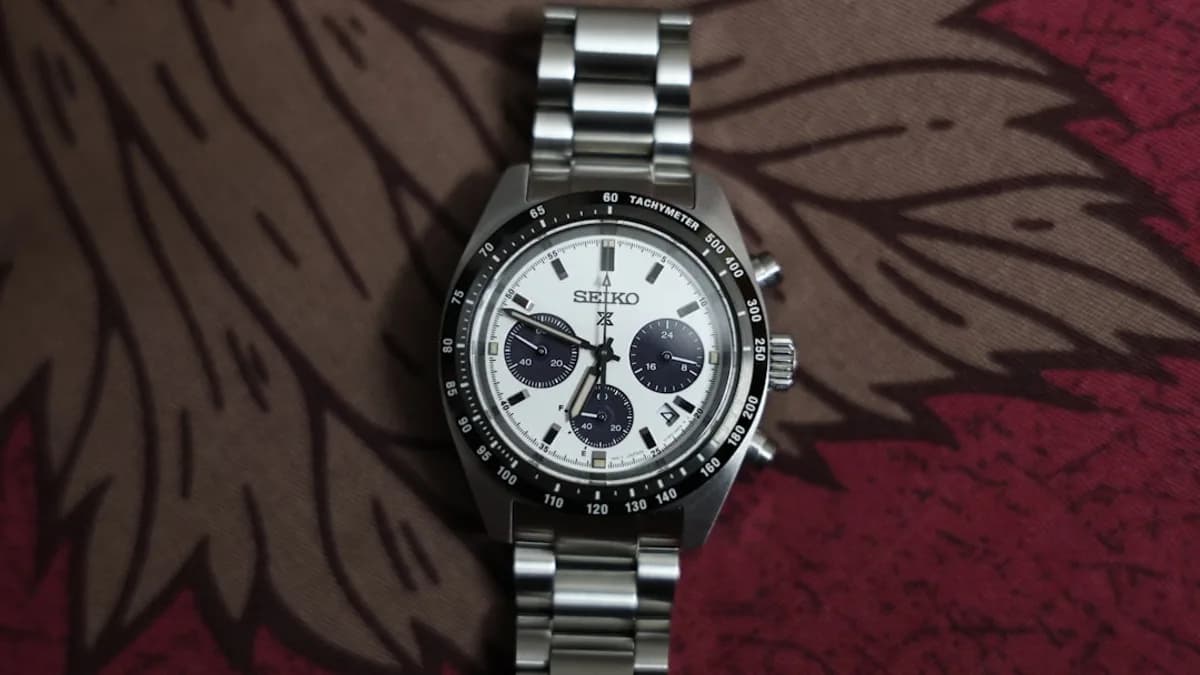
Citizen didn’t cut corners on materials. All three new chronographs sport stainless steel casings and bracelets—no resin, no faux metal. This is a notable leap from the sub-$200 segment where plastic and plated alloys are standard fare. The triple subdial layout (60-minute chronograph, 24-hour time, running seconds) mirrors the classic tri-compax design found in much pricier Swiss pieces, giving these watches a visual complexity that stands out on the wrist.
The tachymeter bezel, once the domain of racing watches, adds practical utility. It’s not just for show—users can measure speed over a known distance, making the feature relevant for anyone who needs quick calculations on the fly. In the context of quartz chronographs, this is a rare inclusion. The AN8230-59M offers a deep blue dial with contrasting subdials, the AN8234-58E goes for a black dial with gold accents, and the AN8236-52P opts for a champagne dial with gold-tone case and bracelet. While the core specs remain the same—40mm diameter, 10mm thickness, mineral glass—the colorways broaden appeal for different tastes.
Lume is present but modest; don’t expect dive-watch brightness. Water resistance is rated at 50 meters, enough for daily wear but not for serious aquatic activity. The pushers are responsive, a nod to Citizen’s refinement of their quartz movement over decades. The main differences among models are aesthetic: dial color, bracelet finish, and subtle accent changes. All share the same movement (likely the Miyota JS15, though Citizen hasn’t specified), which is known for reliability and ease of servicing.
So why does this matter? Citizen’s willingness to unify design language across three models, while offering distinct visual identities, lets buyers choose style without sacrificing function. It’s a move that echoes the modular approach of luxury brands—Rolex’s Oyster Perpetual line, for example—but at a fraction of the price.
Quartz Chronographs in Numbers: Pricing, Market Share, and Consumer Preferences
Citizen’s new chronographs clock in at $110 to $180, undercutting competitors like Seiko and Casio, whose comparable models often start at $170 and climb to $250. This pricing isn’t accidental—quartz chronographs occupy a sweet spot in the watch market, especially for buyers seeking a blend of style and accuracy without the servicing headaches of mechanical movements.
Globally, quartz watches account for over 70% of unit sales, but chronographs make up less than 10% of quartz sales—mechanical chronographs still dominate the aspirational segment. In the U.S., quartz chronograph sales rose 8% last year, according to WatchPro, while mechanical chronographs stagnated, hampered by price increases and supply chain disruptions. The affordable segment (sub-$200) is particularly robust, with Citizen holding roughly 12% market share in quartz chronographs, trailing Seiko (15%) and Casio (14%) but outpacing Timex and Fossil.
Consumer preferences are shifting. Quartz chronographs rate higher for practicality and durability; 62% of buyers in a 2023 survey by Hodinkee cited “low maintenance” as a primary driver, compared to 27% who prioritize “heritage” or “mechanical beauty.” Citizen’s new models fit squarely into this trend: priced for mass adoption, loaded with features, and designed for everyday wear—not just display.
Diverse Perspectives: What Watch Enthusiasts, Industry Experts, and Retailers Say About Citizen’s New Releases
Watch forums erupted with mixed reactions. Enthusiasts praised the triple subdial layout and metal construction, calling out the AN8230-59M’s blue dial as “the best-looking Citizen under $200 in years.” Skeptics, mostly mechanical purists, critiqued the use of mineral glass and the “generic” case shape, but acknowledged the value proposition. A recurring theme: “This is the quartz chronograph that doesn’t look cheap.”
Industry experts see a calculated strategy. Mark Cho, co-founder of The Armoury and a frequent watch commentator, flagged Citizen’s launch as “a direct challenge to Seiko’s dominance in affordable chronographs.” He noted the move away from resin and plated alloys, positioning Citizen as “the brand to beat for entry-level metal chronographs.” Retailers are bullish. Pre-orders for the AN8230-59M reportedly outsold comparable Seiko models by 20% at major chains in Southeast Asia, according to WatchTime Asia.
Sales expectations are high, driven by gifting and “second watch” buyers—those who want a reliable, stylish piece for daily use without the anxiety of damaging a high-end mechanical. Retailers expect the new Citizen chronographs to anchor their sub-$200 section for the next two quarters, especially as inflation pinches discretionary spending.
Tracing the Evolution: How Citizen’s Quartz Chronographs Have Developed Over the Decades
Citizen’s quartz chronograph journey traces back to the late 1970s, when the brand first introduced electronic chronographs with digital displays. By the mid-1980s, analog quartz chronographs with multiple subdials became a staple, but the brand leaned heavily on plastic cases and simple layouts. The 1990s brought a shift—metal casings, more complicated dials, and the integration of tachymeter scales. The Eco-Drive line in the early 2000s marked a major leap, with solar-powered quartz chronographs that eliminated battery swaps.
Compared to past models, the new AN8230-59M, AN8234-58E, and AN8236-52P reflect both technical and aesthetic evolution: metal everywhere, refined pushers, and a more balanced dial layout. Citizen’s quartz movements have improved in accuracy, now hitting ±20 seconds per month, down from ±40 seconds in earlier generations. The case finishing, once an afterthought, now rivals mid-range Swiss and Japanese brands.
Citizen’s ability to adapt—to shift from plastic to metal, from basic to complex dials, and to embrace features once seen as luxury-only—has kept it relevant. When quartz chronographs stalled in popularity in the 2010s, Citizen doubled down on solar tech and modular designs, keeping their offerings fresh and functional. This new release is a continuation, not a departure, from a brand that’s learned to read consumer signals and pivot accordingly.
What Citizen’s New Quartz Chronographs Mean for Watch Buyers and the Industry’s Future
For buyers, the new Citizen chronographs are a signal that you no longer need to compromise between price and quality. The AN8230-59M, AN8234-58E, and AN8236-52P deliver features—metal construction, tachymeter bezels, triple subdials—that were once exclusive to watches costing twice as much. This democratizes chronograph ownership, making style and function accessible to a broader audience.
Industry trends may shift as a result. Higher-end brands could be forced to justify their premiums as Citizen raises the bar for entry-level chronographs. The push toward metal, multi-functionality, and distinctive colorways at low price points ups the ante for competitors. Expect increased price pressure on mechanical chronographs under $500, as buyers realize quartz alternatives can look and perform just as well, with fewer maintenance headaches.
This release may also nudge other Japanese and American brands to revisit their affordable lines. When Seiko launched the SNDC31 quartz chronograph a decade ago, it spurred a wave of imitators. Citizen’s new trio could trigger a similar response, especially if sales numbers confirm pent-up demand for well-built, low-cost chronographs.
Forecasting the Next Moves: Predictions for Citizen’s Quartz Chronograph Line and Market Trends
Citizen’s next innovation will likely center on movement upgrades and materials. A logical step: integrating Eco-Drive solar tech into more chronograph models, cutting out battery changes altogether. Given the success of color variants, expect more dial and bracelet options—possibly ceramic or titanium, as those materials trickle down from higher-priced collections. The triple subdial layout is likely here to stay, but look for refinements: slimmer cases, sapphire glass, and perhaps even Bluetooth connectivity for tracking lap times or syncing with smartphones.
The quartz chronograph segment is poised for a resurgence. As mechanical prices climb and consumer awareness grows, quartz models could capture 15% of chronograph sales within the next five years, up from 10% today. Citizen will play a pivotal role; if their upcoming models maintain build quality and push design boundaries, they could unseat Seiko as the top quartz chronograph brand globally.
Technology and consumer demand will drive the change. Buyers want accurate, stylish, low-fuss watches, and Citizen is delivering. The real threat isn’t mechanical—it’s smartwatches. But by focusing on classic chronograph features and tangible quality, Citizen is carving out a niche that digital competitors can’t easily replicate.
Bottom line: Expect Citizen to double down on quartz chronographs, expanding the range while tightening quality. If competitors don’t respond, the affordable watch market will be defined by Citizen’s standards—not theirs.
The Bottom Line
- Citizen is redefining expectations for affordable chronograph watches with premium features.
- The launch challenges rivals who rely on mechanical prestige to justify higher prices.
- Consumers now have access to better materials and functionality at entry-level price points.