Why OnePlus Nord CE6’s Massive 8,000 mAh Battery Could Redefine Mid-Range Smartphone Expectations
8,000 mAh isn’t just big—it’s unprecedented for a mainstream mid-range phone. Most competitors hover around 5,000 mAh, occasionally nudging 6,000 in budget models, but rarely breaking that threshold in devices with premium build and display specs. The new OnePlus Nord CE6 claims up to 2.5 days of real-world battery life, a figure that could upend how users approach charging and daily device management, according to Notebookcheck.
The practical implications are huge. Users who stream, game, or rely on their phones for navigation—especially in regions where power access is sporadic—stand to gain. Longer battery life isn’t just about convenience; it changes usage patterns. With a battery this size, users can afford to crank up brightness, keep GPS running, or binge-watch without anxiety. Power banks and overnight charges become less essential, reducing friction for mobile-first lifestyles.
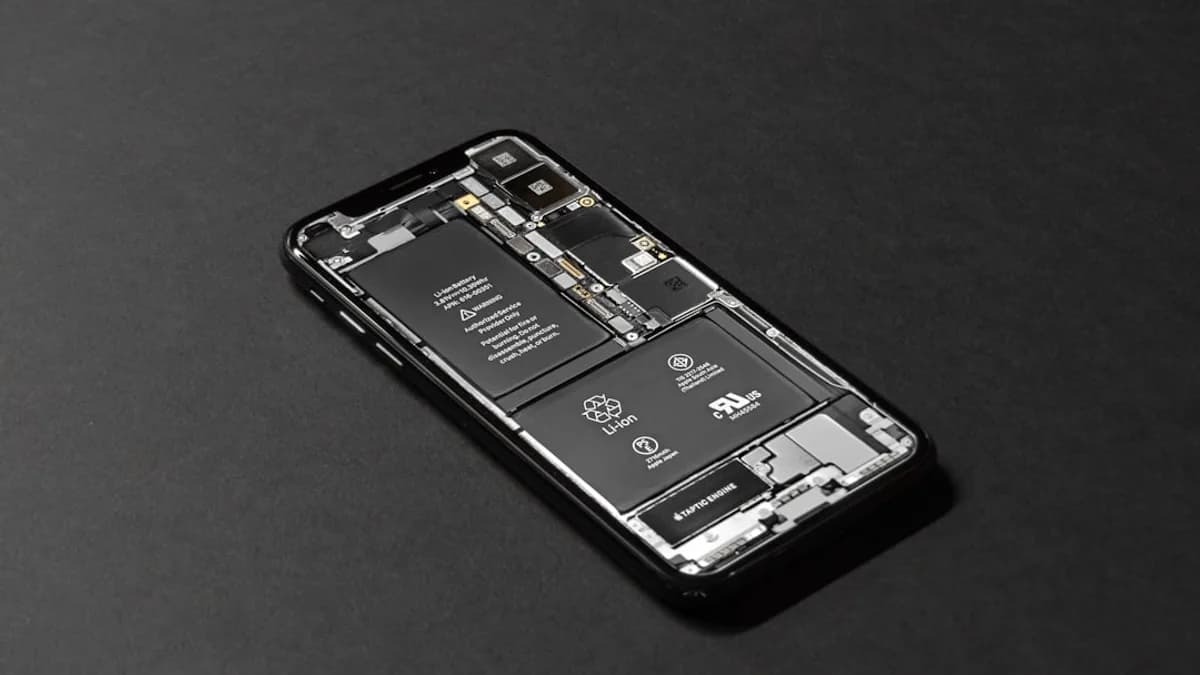
Integrating this battery without turning the CE6 into a brick is the real innovation. Early leaks suggest OnePlus kept thickness under 10mm and maintains a sub-200g weight, a feat that required stacking cells and optimizing internal layout. The IP69K waterproof rating, usually reserved for rugged devices, signals OnePlus isn’t just chasing battery numbers—they’re targeting durability too. The combination sets a new baseline for what mid-range consumers can demand: all-day power, all-weather reliability, and sleek design, not just one or the other.
Snapdragon 7s Gen 4 and 144 Hz AMOLED Display: Balancing Performance and Power Efficiency
Snapdragon’s 7s Gen 4 is a mid-range chip, but it’s no slouch. Built on a 4nm process, it delivers a notable jump in both efficiency and graphical performance compared to its predecessor, the 7 Gen 1. Early benchmarks show scores of 600,000+ on AnTuTu, beating the Snapdragon 695 by 35% and narrowing the gap with flagship chips from two years ago. This means the CE6 can handle multitasking, casual gaming, and AI-driven apps without lag.
The 144 Hz AMOLED display is a double-edged sword. It makes scrolling and gaming buttery-smooth, but it’s a power hog—especially when brightness and refresh rate are maxed out. AMOLED panels are more efficient than LCDs at lower brightness, but ramping up refresh rates can drain even a large battery fast. OnePlus mitigates this with dynamic refresh rate switching: the display drops to 60 Hz for static content and spikes to 144 Hz for motion, squeezing extra hours out of that 8,000 mAh cell.
This synergy—efficient chipset, smart display management, and a huge battery—means the CE6 doesn’t just survive, it thrives under heavy use. It’s a rare case where power-hungry features don’t force hard trade-offs. OnePlus’s software optimization, including granular battery usage controls and AI-driven app management, is crucial. Unlike ultra-budget phones that simply throw a big battery at the problem, the CE6 aims for sustained performance at every level.
Quantifying Value: How OnePlus Nord CE6’s Pricing Stacks Up Against Competitors with Similar Specs
At $318, the Nord CE6 lands in the sweet spot of mid-range pricing, but its feature list punches above its weight. Compare it to the Samsung Galaxy M34 ($300, 6,000 mAh, 120 Hz AMOLED), Redmi Note 13 Pro ($320, 5,000 mAh, 120 Hz AMOLED, Snapdragon 7 Gen 2), or Realme Narzo 60 ($250, 5,000 mAh, 90 Hz AMOLED). None offer an 8,000 mAh battery, IP69K waterproofing, or a 144 Hz display in one package.
The cost-to-feature ratio is stark. For roughly $318, buyers get not only battery longevity but also flagship-adjacent display specs, modern chipset, and premium waterproofing. Most brands either skimp on battery to deliver a better camera or cut display quality to hit price targets. OnePlus, in contrast, opted for battery and durability as their headline features, likely sacrificing camera versatility (the CE6 reportedly drops telephoto lenses) and wireless charging.
There’s always a trade-off. The CE6’s camera specs are rumored to be moderate—64 MP main, 8 MP ultrawide, skipping optical zoom. The absence of wireless charging and limited RAM options (up to 8 GB) signal where OnePlus trimmed costs. But for users who value relentless uptime and rugged build over camera tricks and wireless charging, the CE6 is a standout. The pricing strategy pressures rivals to rethink their value equations: either match battery and durability, or double down on cameras and software.
Multiple Stakeholders Weigh In: Consumer Expectations, Industry Trends, and Manufacturer Strategies
Consumer demand for longer battery life is relentless. Surveys from Counterpoint Research and Canalys in 2023 found battery life ranked as the top priority for mid-range buyers in India and Southeast Asia, even above camera quality. Waterproofing is also climbing in importance, especially as climate unpredictability increases and users spend more time outdoors.
Industry-wide, battery capacities have crept up, but rarely at the pace of feature inflation. High refresh rate displays, faster chips, and 5G have all pushed power requirements higher, yet most brands were content with incremental battery bumps. The CE6’s leap to 8,000 mAh isn’t just a spec flex—it’s a response to growing dissatisfaction with “all-day” claims that rarely deliver for power users.
For OnePlus, the CE6 is a strategic play. The Nord series historically targeted value-conscious buyers, but often lagged behind Xiaomi and Realme in battery and durability. By combining high battery capacity with IP69K waterproofing, OnePlus is positioning itself as the brand for buyers who want rugged reliability without sacrificing style. This isn’t just about specs—it’s about user trust. If the CE6 delivers on its claims, expect OnePlus to carve out a niche in markets where battery anxiety rules.
Tracing the Evolution: How Battery Capacity and Durability Features Have Advanced in Mid-Range Smartphones
Five years ago, a 4,000 mAh battery was “big” for a mid-range phone. The original OnePlus Nord (2020) packed 4,115 mAh, and most rivals hovered between 3,500 and 4,500 mAh. The jump to 5,000 mAh in 2021 was driven by rising power needs, but few brands dared to go further, concerned about bulk, heat, and cost. Samsung’s Galaxy M series broke the mold with 6,000 mAh, but these were often thicker, heavier, and stuck with 60 Hz displays.
Display tech has moved just as quickly. In 2018, 60 Hz LCD was the norm; by 2023, 120 Hz AMOLED became standard in mid-range devices. Waterproofing lagged—IP68 was rare, and IP69K (protection against high-pressure water jets) was nearly unheard of outside rugged niche phones. The CE6’s IP69K rating is a jump, offering not just splash resistance but true ruggedness.
Compared to previous Nord models, the CE6 is a radical departure. The Nord CE2 had 4,500 mAh, 90 Hz AMOLED, no waterproofing. The CE6 doubles battery capacity, triples display refresh rate, and adds IP69K—all at similar price points. Competitors have improved incrementally, but OnePlus’s move is a vertical leap, not a lateral slide.
What the OnePlus Nord CE6 Means for Mid-Range Smartphone Buyers and the Industry Landscape
The CE6 sets a new minimum for what mid-range buyers can expect: battery that genuinely lasts, durability that goes beyond token ratings, and display tech that matches flagships. This isn’t just spec inflation—it’s a shift in what counts as “value.” Buyers who once tolerated daily charging or mild splashes now have a credible alternative.
This could spark a shift in buying behavior. Power users, outdoor workers, and travelers may gravitate toward devices that offer tangible reliability, even if it means accepting lower camera specs or skipping wireless charging. Brands will feel pressure to compete not just on megapixels or marketing gimmicks, but on real-world longevity and ruggedness.
For competitors, the bar is raised. Xiaomi, Realme, Samsung, and others must decide: chase battery and durability, or double down on other features? Expect a bifurcation in mid-range strategy—some brands will follow OnePlus into the battery-and-durability arms race, while others will try to differentiate on camera or software finesse. The winner will be the buyer, as feature creep accelerates.
Looking Ahead: Predicting the Future of Battery Technology and Feature Integration in Mid-Range Smartphones
Battery tech is poised for another leap. Solid-state cells, silicon-anode batteries, and new power management chips promise higher densities and faster charging without swelling size or heat. By 2025, expect mid-range batteries to routinely hit 6,000–8,000 mAh, with some models pushing even higher as manufacturing costs drop and layout innovations spread.
Waterproofing will move from niche to norm. IP68 is already common in flagships, but IP69K signals a new standard for mid-range devices, especially in markets prone to rain, dust, or rough handling. Display refresh rates may plateau at 120–144 Hz, but smarter adaptive tech—using AI to optimize refresh for content—will push battery life further.
OnePlus, if successful with the CE6, will force rivals to match battery and durability, sparking new competition on charging speeds, thermal management, and rugged certifications. Expect the next wave of mid-range phones to offer not just more power, but smarter power—battery health tracking, AI-driven usage predictions, and modular replacement options.
For buyers, the future is bright: longer battery life, fewer compromises, and devices that survive the real world, not just the lab. For manufacturers, the CE6 is a warning—mid-range buyers won’t settle for yesterday’s flagship features. They want tomorrow’s, today.
Why It Matters
- The Nord CE6’s 8,000 mAh battery sets a new standard for battery life in mainstream smartphones.
- IP69K water resistance and slim design combine durability and convenience at a mid-range price.
- Longer battery life reduces the need for power banks and frequent charging, improving daily usability.