Why Xiaomi’s Smaller Foldable Strategy Could Disrupt the Premium Smartphone Market
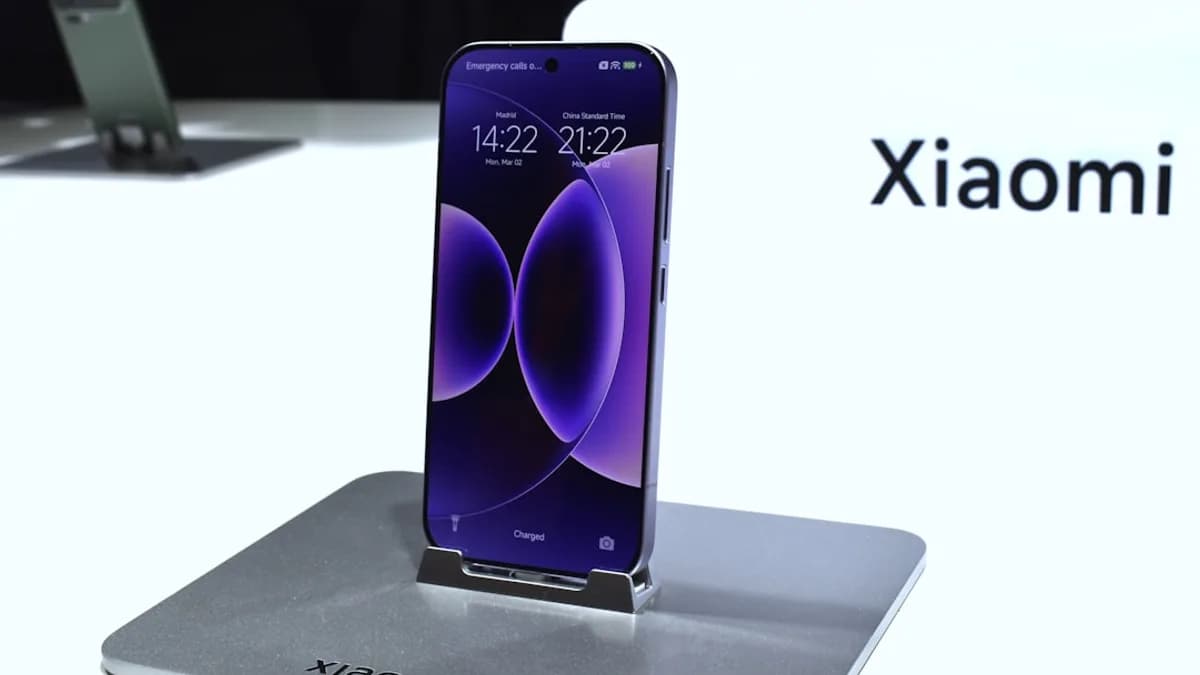
Xiaomi isn’t chasing the biggest foldable — it’s aiming for the most pocketable. In a market obsessed with screen size and flagship specs, Xiaomi’s reported plans for a compact Mix Flip series signal a sharp pivot from the status quo. While Motorola’s latest Razr lineup embraces larger displays and premium finishes, Xiaomi is betting that smaller foldables are the next frontier, according to Notebookcheck.
The significance is twofold: First, Xiaomi’s timing lands just as consumers tire of “phablet”-sized devices. Second, the Mix Flip series targets a segment Samsung and Motorola have only dabbled in. Samsung’s Galaxy Z Flip line and Motorola’s Razr offer compact designs, but each iteration inches upward in size and price. Xiaomi’s rumored Mix Flip, if truly smaller and more affordable, could fill a gap left by premium brands chasing top-dollar margins.
This isn’t just a design tweak. It’s a calculated response to consumer fatigue with bulky handsets. If Xiaomi executes, it could spark a race among rivals to shrink foldables — and force a rethink on what “premium” means in 2024.
Crunching the Numbers: Market Share, Pricing, and Foldable Device Sales Trends
The numbers don’t lie: Foldable phone shipments hit 15.8 million units worldwide in 2023, up 33% year-over-year, but they still make up less than 2% of the global smartphone market. Samsung dominates with a 63% share, driven by the Z Fold and Z Flip series. Motorola, rejuvenated by the Razr, captured roughly 11% by Q1 2024, while Xiaomi’s foldable presence barely registers outside China, according to IDC and Counterpoint.
Pricing divides the field. Motorola’s Razr Plus starts at $999, the Razr at $699, and Samsung’s Z Flip 5 at $999 — all aimed at the premium segment. Xiaomi’s Mix Fold 3, its flagship foldable, launched at around $1,350 in China. If Mix Flip undercuts these prices (rumored at $700–$800), Xiaomi could force a price war, especially in Europe and India, where premium adoption lags.
Growth projections are bullish. Counterpoint expects foldable shipments to climb to 19 million units in 2024, with compact models driving the surge. The Razr’s sales spike in North America — up 42% quarter-on-quarter after its redesign — proves demand for smaller form factors is real. Xiaomi’s entry could pull the market’s center of gravity away from “book-style” behemoths toward clamshells that actually fit in jeans pockets.
But the risk is clear: Smaller foldables must deliver on durability and battery life, areas where early Razr models stumbled. Xiaomi’s challenge is to make “small” not mean “compromised.”
Diverse Stakeholder Perspectives on Xiaomi’s Mix Flip Series and Foldable Innovation
Industry analysts see Xiaomi’s move as a calculated gamble. CCS Insight’s Ben Wood notes that “the next wave of foldables must solve for size and longevity, not just novelty.” Xiaomi’s Mix Flip targets precisely this — but it faces skepticism over the company’s ability to match Samsung’s engineering and Motorola’s heritage.
Consumers are split. Early Razr adopters praised the nostalgia and portability but grumbled about battery life and camera performance. User reviews for Samsung’s Z Flip echo those complaints, with a chorus demanding better durability and more useful cover displays. If Xiaomi nails these pain points, it could win over a cohort that’s been underserved.
Samsung and Motorola aren’t standing still. Samsung is expected to launch at least three foldables this summer, including a rumored “Ultra” model, while Motorola’s latest Razr trio offers a spectrum from entry-level to flagship. Both brands have publicly hinted at further shrinking device size, suggesting Xiaomi’s Mix Flip is already influencing their roadmaps.
Yet, Xiaomi’s reputation as a disruptor — not a premium leader — could handicap it in Western markets. Brand trust and after-sales support will be as important as specs.
Tracing the Evolution of Foldable Smartphones: From Motorola Razr to Xiaomi Mix Flip
Foldables started as nostalgia plays and status symbols. The original Motorola Razr reboot in 2019 was more fashion statement than daily driver, plagued by creaky hinges and weak batteries. Samsung’s first Galaxy Fold in 2019 suffered display failures and a hefty price tag. But each generation refined the formula: Samsung’s Z Flip 3 (2021) finally delivered a foldable that felt mainstream, with IPX8 water resistance and a usable cover display.
Motorola responded by shrinking bezels and boosting battery life, culminating in the Razr 2023 lineup with OLED screens and improved durability. Xiaomi’s Mix Fold series has focused on book-style designs, but the Mix Flip signals a pivot to clamshells — a move that echoes Samsung’s strategy but with a twist: Xiaomi’s rumored device is smaller and potentially cheaper.
Lessons abound. Early foldables proved that form factor alone won’t win consumers; reliability, camera quality, and app optimization matter more. Xiaomi seems to be applying these lessons by prioritizing compactness and usability, while leveraging its supply chain to keep prices in check. If Mix Flip launches globally, it could mark the first credible challenge to Samsung’s clamshell dominance.
What Xiaomi’s Smaller Foldables Mean for Consumers and the Smartphone Industry
A genuinely compact foldable could change how people use smartphones. Smaller devices mean more one-handed operation, easier pocketing, and less wrist strain — the opposite of today’s oversized slabs. For busy urban users and frequent travelers, portability trumps screen real estate.
Manufacturers will have to rethink design priorities. If Xiaomi’s Mix Flip succeeds, rivals may ditch “bigger is better” logic and focus on fit, finish, and longevity. Expect more attention on hinge engineering, battery optimization, and cover display functionality — areas where Xiaomi could set new benchmarks.
The ripple effect will hit accessory makers and app developers. Cases and screen protectors for foldables are still niche, but a surge in compact models would expand the market. App developers, too, will need to adapt interfaces for smaller, foldable screens. Foldable-specific features like split-screen multitasking and context-aware widgets could become standard, not gimmicks.
For consumers, the Mix Flip could lower the barrier to entry for foldables. If Xiaomi delivers a well-built, affordable clamshell, it will force Apple and Google to accelerate their own foldable projects — or risk ceding a fast-growing segment to Chinese brands.
Forecasting the Future: How Xiaomi’s Mix Flip Could Shape Foldable Smartphone Trends
Xiaomi’s Mix Flip could be the lever that accelerates foldable adoption beyond niche status. If it launches globally at a sub-$800 price, Xiaomi will pressure Samsung and Motorola to rethink their premium pricing. Expect a wave of affordable foldables by late 2024, led by Chinese brands.
Technological innovation will hinge on hinge durability, battery efficiency, and software integration. Xiaomi’s rumored focus on smaller dimensions and improved cover displays could set new standards, especially if it avoids the pitfalls of early Razrs.
Challenges remain: Xiaomi must overcome Western skepticism, secure carrier partnerships, and scale after-sales support outside China. But if it succeeds, Xiaomi will not only shift the foldable market’s center — it could force the entire industry to prioritize portability over screen size.
By next year, expect at least two major non-Chinese brands to debut smaller foldables in direct response, with accessory and app markets scrambling to catch up. Xiaomi isn’t just launching a device; it’s starting a new chapter in smartphone design.
Impact Analysis
- Xiaomi’s move toward smaller foldables targets consumer demand for more pocketable devices.
- A lower price point could make foldable phones accessible to wider audiences outside the premium segment.
- If successful, Xiaomi’s strategy may force competitors to rethink their approach to foldable design and pricing.