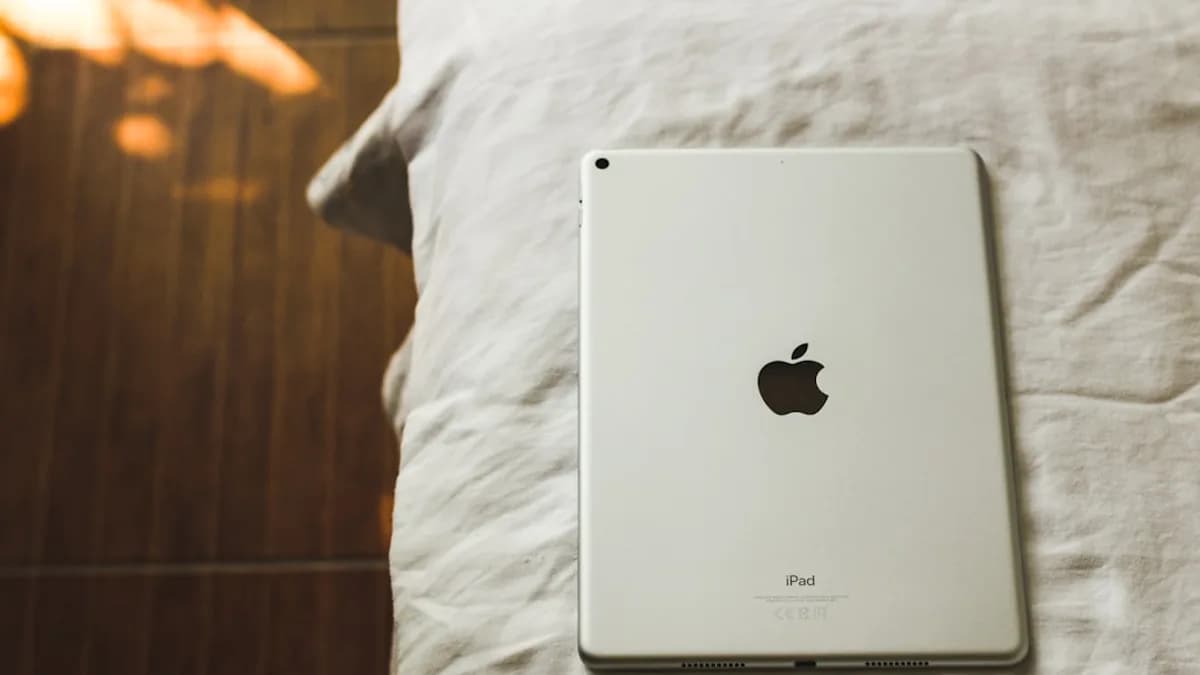
Older iPads Are Undercutting New iPad Sales
Apple’s biggest threat in the tablet market isn’t Android or Windows—it’s its own back catalog. Despite the iPad’s strong position, new models face an uphill battle: users increasingly find little reason to upgrade when their current iPads still perform well and receive software updates. According to 9to5Mac, this internal competition is becoming a more relevant question for Apple’s future iPad strategy.
Every time Apple unveils a new iPad, it’s not just competing for attention with Samsung or Amazon—it’s also fighting the inertia of its own previous generations. The problem: older iPads still handle daily tasks, run the latest iPadOS, and often feel “good enough” for most owners. The longevity of the hardware, combined with Apple’s ongoing software support, has stretched out the typical replacement cycle. While Apple’s tablet dominance remains intact for now, the company’s biggest sales hurdle may be the high quality and durability of its past products.
What the Data Shows: Slower iPad Replacement Cycles
While the source does not provide granular sales data, the thesis from 9to5Mac rests on a clear observation: the upgrade cycle for iPads is slowing. Users are not rushing to replace devices every year—or even every two or three years—because their older iPads remain functional and relevant. There’s no evidence in the source of mass migration to Android tablets, nor of a dramatic collapse in iPad sales. Instead, the stagnation comes from within.
This “good enough” factor means that each new iPad release faces a shrinking pool of upgraders. Without a critical hardware failure or must-have new feature, many users see little incentive to move to the latest model. 9to5Mac’s reporting focuses on this dynamic, not external competition, as the central challenge for Apple’s tablet business.
Why Users Hold On: Satisfaction, Incremental Upgrades, and Software Support
The heart of the issue is consumer satisfaction with existing iPads. Most users don’t feel their device is obsolete just because a new one hits the shelves. Incremental updates—faster processors, slightly better screens—rarely justify the expense for someone whose current iPad still runs smoothly. Apple’s long-term iPadOS support for older hardware only extends the device’s useful life.
This cycle—solid hardware, reliable software updates, and modest generational improvements—creates a situation where even tech-enthusiast buyers hesitate. Unless Apple delivers a breakthrough feature (not just a spec bump), the emotional and practical trigger to upgrade is missing.
Stakeholder Tensions: Apple’s Balancing Act and Consumer Trade-Offs
Apple faces a classic innovator’s dilemma. Push too hard on new features, and you risk alienating price-sensitive buyers. Move too slowly, and even loyal customers keep their older iPads for another year (or three). For consumers, this trend is a win: device longevity equals better value and less e-waste.
From the competitor angle, 9to5Mac points out that Android tablets haven’t dethroned the iPad. The real battle is internal—between Apple’s engineering teams pushing the envelope and a user base satisfied with “last year’s” model. The value proposition for new iPads is increasingly undercut by the continued relevance of older ones.
Apple’s Historical Playbook: Learning from iPhone and Mac Cycles
Apple has faced similar dynamics with the iPhone and Mac. Whenever a previous generation remains “good enough,” upgrade rates sag. The company has historically countered this by introducing must-have features (think Face ID or the M1 chip) or by adjusting its product mix. But 9to5Mac’s analysis suggests that, for now, iPad is stuck in a holding pattern—incremental updates aren’t moving the needle.
What It Means for Tablet Buyers and the Industry
For buyers, the message is clear: there’s little pressure to upgrade unless your current iPad breaks or you need a feature exclusive to the latest model. This extends the lifespan of each purchase and puts Apple in a bind. If users hold onto devices longer, Apple’s growth from the iPad segment could stall, at least in the absence of dramatic innovation.
For the broader tablet market, Apple’s self-cannibalization stifles competitors even as it slows its own momentum. The challenge for everyone is how to spark real demand in a mature, high-satisfaction market.
What Remains Unclear
The 9to5Mac piece stops short of revealing Apple’s internal strategy to address this cannibalization. There’s no concrete evidence of how Apple plans to reignite demand—whether through new hardware categories, breakthrough features, or more aggressive pricing. The magnitude and timing of any response remain open questions.
What to Watch: The Next Catalyst for iPad Upgrades
The next phase for iPad will hinge on whether Apple can break the cycle of “good enough.” Watch for signals: a major redesign, new input paradigms, or exclusive software features tied to the latest models. Any such move would indicate Apple’s willingness to disrupt its own lineup to jumpstart upgrades.
Until then, the company’s fiercest competition may remain the millions of older iPads still in daily use—a testament to the brand’s past success, and a warning sign for its future growth.
The Bottom Line
- Apple's own durable products are reducing demand for new iPad upgrades.
- Consumers benefit from longer device lifespans and continued software support.
- This trend forces Apple to rethink product innovation and upgrade strategies.