Introduction: Motorola Razr 70 Ultra Specs Leak and Its Significance
Motorola’s iconic Razr line is set to make headlines once again as fresh leaks reveal the anticipated specifications of the upcoming Razr 70 Ultra. Positioned at the forefront of the foldable smartphone market, the Razr 70 Ultra continues the brand’s bold attempt to reclaim its legacy and challenge the dominance of rivals like Samsung. The newly surfaced details, first reported by GSMArena and other tech outlets, have ignited excitement among enthusiasts and industry watchers alike [Source: Source].
This leak is particularly significant as it offers an early glimpse at how Motorola plans to refine its foldable formula. With the foldable market heating up and consumers seeking alternatives to established players, the Razr 70 Ultra’s specs could shape buying decisions and influence the strategies of competitors. As anticipation builds, all eyes are on whether this device will mark a breakthrough moment for Motorola in the ever-evolving world of foldable smartphones.
Detailed Breakdown of the Motorola Razr 70 Ultra Specifications
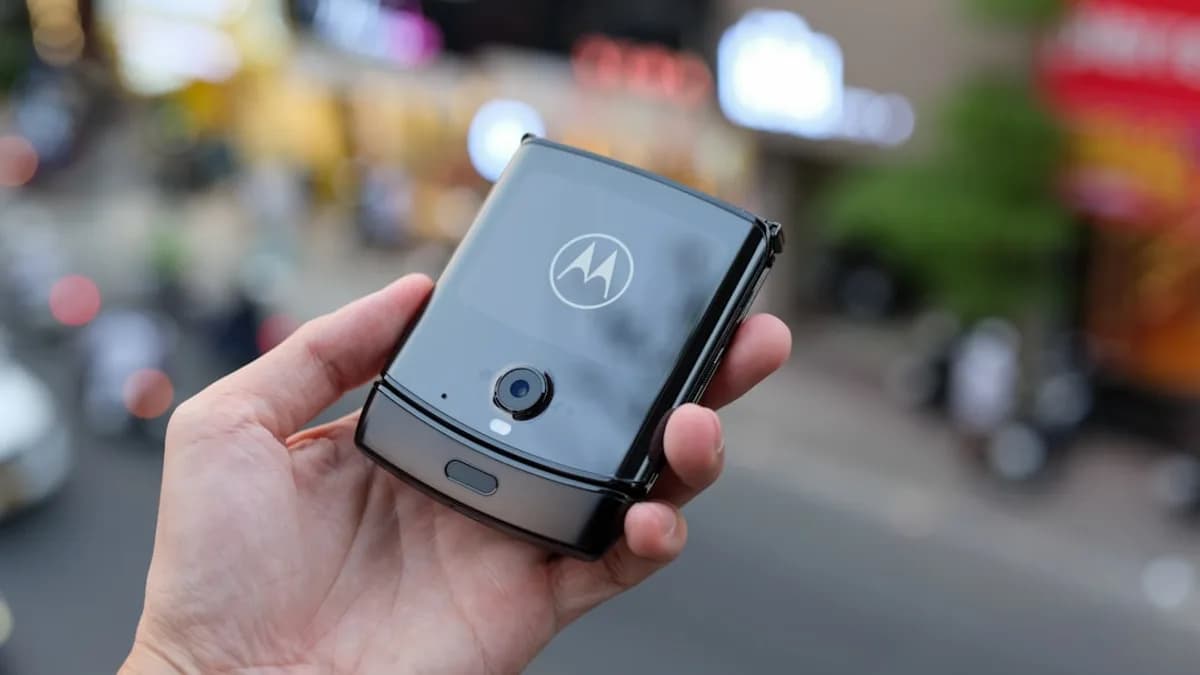
The leaked specifications of the Motorola Razr 70 Ultra paint a picture of a device that blends familiar strengths with a handful of strategic upgrades [Source: Source]. At the heart of the device is its signature foldable design, a hallmark of the Razr series. According to the leak, the primary display is expected to measure 6.9 inches, utilizing a high-refresh-rate pOLED panel for vivid colors and smooth scrolling. On the exterior, users will find a generous 3.6-inch cover display—ideal for quick tasks, notifications, and even limited app use when the phone is closed.
Build quality appears to remain a priority, with Motorola reportedly sticking to a slim, lightweight chassis. While the hinge mechanism is expected to be refined for durability and a smoother folding experience, the overall design philosophy seems to remain consistent with previous Ultra models.
Under the hood, however, the Razr 70 Ultra will reportedly feature the Qualcomm Snapdragon 8+ Gen 1 chipset—the same processor that powered last year’s flagship Razr [Source: Source]. While this chip remains a solid performer, some may view the lack of a generational upgrade as a missed opportunity for Motorola to push performance boundaries further. That said, the decision may have been made to prioritize stability, thermal efficiency, and cost savings, which can still deliver a premium user experience for most applications.
One of the most notable hardware improvements comes in the form of battery capacity. The leak suggests the Razr 70 Ultra will house a larger 4,000mAh battery, up from the previous model’s 3,800mAh unit [Source: Source]. This increase, while modest, could translate to a tangible boost in longevity—an important factor given the power demands of foldable displays.
Camera capabilities are another highlight. The Razr 70 Ultra is tipped to feature a dual-camera setup on the rear, led by a 50MP main sensor and accompanied by a 13MP ultrawide lens. Selfie duties, especially when the device is folded, will be handled by a 32MP front-facing camera. Storage configurations are expected to start at 256GB, paired with 8GB or 12GB of RAM, ensuring ample space and smooth multitasking.
Other notable features reportedly include a side-mounted fingerprint sensor, stereo speakers, and support for fast charging—anticipated to be at least 33W. The device will ship with Android 14 out-of-the-box, complete with Motorola’s signature software enhancements for multitasking and productivity on foldable screens.
Comparative Analysis: Motorola Razr 70 Ultra vs. Previous Models and Competitors
The Razr 70 Ultra, based on these leaks, represents a steady evolution rather than a radical leap from last year’s model. The most apparent upgrades are the slightly larger battery and incremental software refinements, while the continued use of the Snapdragon 8+ Gen 1 chip signals a focus on proven performance and reliability [Source: Source].
Compared to the previous Razr Ultra, users can expect better endurance and potentially improved camera performance, thanks to updated sensors and image processing tweaks. However, those hoping for a dramatic hardware overhaul—such as a new chip or significant changes in design—may find this update conservative.
In the broader competitive context, the Razr 70 Ultra faces formidable rivals like the upcoming Samsung Galaxy Z Fold 7. Samsung’s foldables are known for their cutting-edge displays, robust software ecosystem, and industry-leading water resistance. However, Motorola’s Razr series has consistently earned praise for its compact form factor, nostalgic design cues, and user-friendly interface [Source: Source]. Recent reviews from outlets such as PCMag highlight the Razr fold’s unique appeal, often noting its comfortable one-handed use and pocketability—features that set it apart from bulkier foldables.
Where Motorola still trails is in feature depth and ecosystem integration. Samsung’s Galaxy Z Fold line, for example, offers superior multitasking capabilities, S Pen support, and a more mature update policy. Yet, Motorola appears to be closing the gap, especially in areas like battery life and cover display usability. The Razr 70 Ultra’s focus on practical improvements, rather than headline-grabbing specs, could resonate strongly with users prioritizing everyday usability over raw power.
Market Impact and Consumer Expectations
The latest specs leak provides insight into Motorola’s measured strategy for capturing a larger share of the foldable smartphone market. By refining key aspects of the Razr 70 Ultra—such as battery life, camera performance, and software polish—while maintaining a familiar price-performance balance, Motorola seems intent on appealing to both loyal fans and new adopters wary of untested form factors [Source: Source].
Pricing will be a critical factor. While the Ultra branding suggests a premium positioning, Motorola will likely aim to keep the Razr 70 Ultra competitive with Samsung’s foldable lineup. This could make the device particularly attractive for users who want a flagship foldable experience with a distinctive design, at a potentially lower price point than Samsung’s top-tier offerings.
Industry observers are also watching for what some are calling Motorola’s potential 'iPhone moment'—the tipping point where the Razr foldable becomes synonymous with the category itself and sets new benchmarks for adoption and desirability [Source: Source]. If the Razr 70 Ultra delivers on its promise of practical improvements and a polished user experience, it could catalyze broader acceptance of foldable phones among mainstream buyers.
Moreover, a successful launch could prompt competitors to rethink their own offerings, especially in terms of size, battery life, and user interface. As more device makers enter the foldable race, Motorola’s choices with the Razr 70 Ultra may help shape the trajectory of the entire market.
Conclusion: What to Watch for Next and Final Thoughts
The leaked specifications of the Motorola Razr 70 Ultra suggest a device that is both evolutionary and strategically focused. While not a dramatic leap from its predecessor, the Ultra’s larger battery, camera refinements, and polished software experience could make it a compelling option for foldable phone enthusiasts and newcomers alike [Source: Source].
With official announcements and a potential launch event on the horizon, consumers and industry watchers should keep an eye out for confirmation of these specs, pricing details, and Motorola’s broader plans for its foldable lineup. Ultimately, the Razr 70 Ultra represents Motorola’s continued commitment to innovation in a challenging market—and its success or failure could influence the direction of foldable smartphones for years to come. As anticipation builds, the Razr 70 Ultra may well be the device that finally puts Motorola back in the spotlight.