Microsoft Quietly Removes Expansion Port from New Xbox Controllers
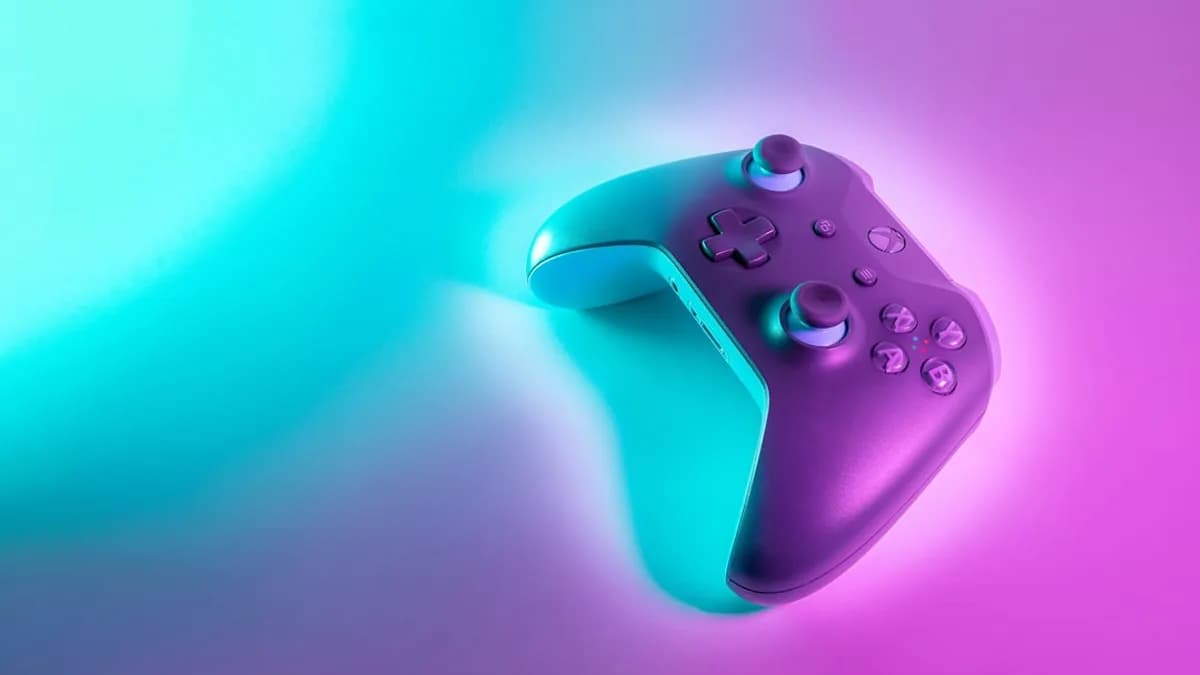
Microsoft is shipping new Xbox controllers minus the familiar expansion port, but hasn’t said a word publicly about the hardware change. The company hasn’t put out a statement, blog post, or patch note about the missing port—leaving buyers to discover the difference on their own, according to Notebookcheck.
For the average player, the change is subtle. The typical Xbox controller experience—pairing with consoles, plugging in a headset, or connecting via Bluetooth—remains untouched. Most won’t notice the port’s absence unless they’re trying to use accessories that require it.
Analysis: Microsoft’s silent removal signals a shift in accessory support. The company is known for iterating quietly on hardware, but this is a rare cut that impacts legacy compatibility. Without an announcement, it’s impossible to pin down exactly when the change took effect or how large the affected batch is. Buyers have no advance warning, and retail descriptions still show the old port.
How the Missing Expansion Port Impacts Xbox Accessory Compatibility
For users who rely on chatpads, headset adapters, or older third-party peripherals, the loss of the expansion port is more than an inconvenience—it’s a hard stop. Any accessory that connects through the port will simply be incompatible with these new controllers. That includes Microsoft’s own first-party chatpad and the official stereo headset adapter, both of which have die-hard followings among competitive gamers and accessibility-focused players.
This move could easily frustrate users with niche communication or input needs—especially those who invested in expensive add-ons that now won’t work with the latest controllers. The impact is sharply felt by a subset of the Xbox audience who depend on physical controls for volume, mute toggles, or text entry during gameplay.
Analysis: The silent hardware revision looks like a pivot away from legacy accessory support. Whether this means Microsoft is moving toward all-wireless solutions, or just streamlining production, remains unclear. The decision draws a line between old and new, effectively phasing out support for a class of devices without warning.
What Xbox Users Should Expect Next and How to Adapt
So far, Microsoft hasn’t commented on the hardware revision or on future accessory support. There’s no guidance on which controllers have the port and which don’t, and no update on whether new official accessories are planned. For now, gamers should check physical controller specs before buying—especially if they depend on chatpads, adapters, or other expansion port accessories.
Accessory makers may be forced to redesign products to connect through other ports or rely on wireless tech. Until official word arrives, the Xbox community will likely drive much of the discovery process, flagging incompatibilities and sharing workarounds.
Analysis: The lack of communication leaves users in the dark. Official guidance would help avoid wasted purchases and clarify Microsoft’s direction on accessory support. Watch for community reviews, teardown videos, and support updates as the story develops. If Microsoft plans a new line of accessories or an official transition to wireless, it will need to address this gap soon—or risk alienating a vocal segment of its user base.
What to watch: Will Microsoft issue a statement or update product listings to clarify which controllers have lost the port? Will new wireless or USB-based accessories step in to fill the gap? Until then, cautious buyers should double-check before upgrading their hardware—because the box won’t warn them.
Impact Analysis
- Microsoft's unannounced hardware revision removes accessory compatibility for some Xbox users.
- Owners of chatpads, headset adapters, and other expansion-port devices are left without support on new controllers.
- Lack of transparency may erode consumer trust and frustrate players who rely on legacy accessories.