LightInk Smartwatch Launches with Unmatched 10-Month Battery Life on Single Charge
A new smartwatch called LightInk claims battery life as long as ten months on a single charge, a milestone that instantly sets it apart from the pack. The device uses a combination of solar charging and an e-ink display to reach this extreme endurance, while still packing features like LoRa connectivity and GPS—capabilities that are rarely found together in mainstream wearables, according to Notebookcheck.
LightInk’s pitch is clear: forget daily or even weekly charging. Instead, users can expect to go months between power-ups, with sunlight further extending runtime. The inclusion of LoRa—used for low-power, long-range radio communication—and GPS means the watch isn’t just an energy-saving novelty; it’s designed to offer real-world utility beyond telling time. Few details are public about the specific hardware, release date, or which markets will see the watch first, but the feature set alone signals a direct challenge to the conventional tradeoff between smartwatch functionality and battery life.
How LightInk’s Solar and E-Ink Technology Revolutionize Smartwatch Battery Performance
LightInk’s core advantage comes from its e-ink display, which sips power compared to the OLED and LCD panels common in today’s wearables. E-ink displays only draw significant energy when updating what’s shown; static images or watch faces can persist for days with almost no drain. That means even with always-on information, the battery isn’t under the constant stress seen in typical smartwatches.
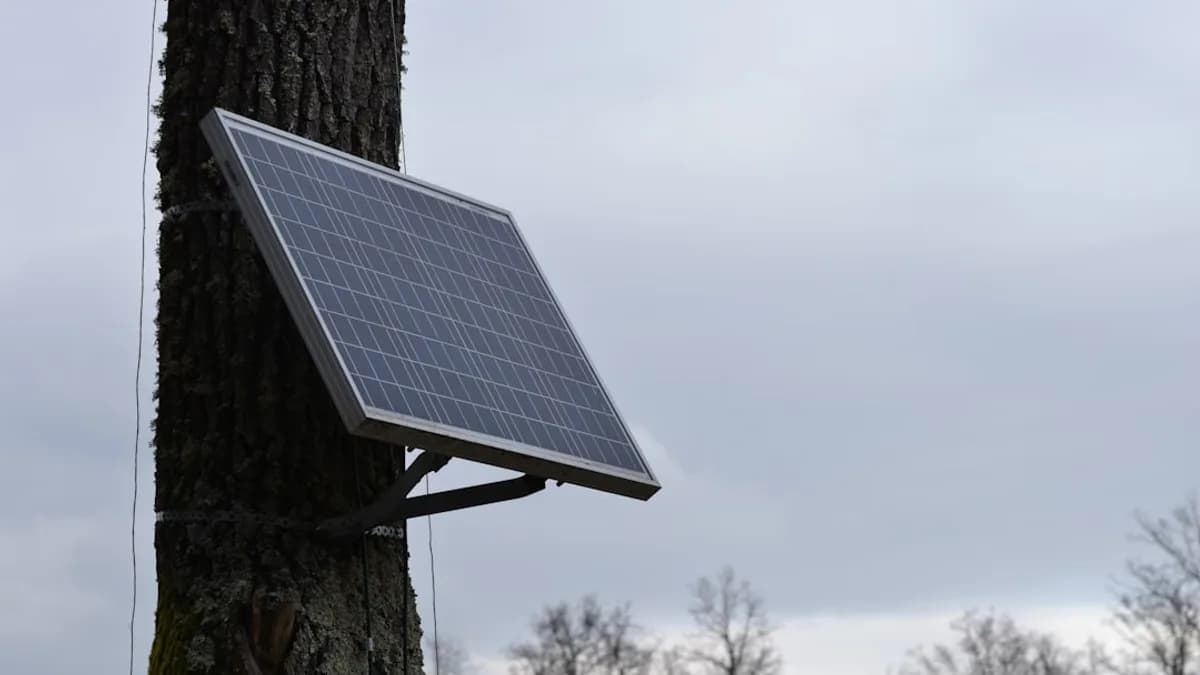
Solar charging compounds the effect. Instead of relying solely on a wall charger, LightInk can supplement its battery any time it’s exposed to light. While solar power isn’t new in watches, it’s rarely paired with smart connectivity features like LoRa and GPS on the same device. The real engineering challenge—and apparent victory here—is making those power-hungry features available without blowing up the battery budget. According to the source, LightInk manages to integrate them without sacrificing its headline battery life figure.
This combination—an e-ink display for ultra-low power standby, solar for ambient charging, and niche connectivity options—results in a device that could feasibly be worn for months in the field, far from power outlets. That’s a scenario few other smartwatches are built to handle.
What to Expect Next: Market Impact and Future Developments for Ultra-Long-Lasting Smartwatches
If LightInk lives up to its claims, it will set a new benchmark for battery life in smartwatches with advanced features. The device’s approach—prioritizing power efficiency and charging flexibility over high-frequency health tracking or glossy displays—may attract a segment of users who value practicality over polished aesthetics or all-day fitness monitoring.
Still, much remains unclear. The source does not specify whether LightInk will be available as a finished product, a kit for enthusiasts, or something in between. Pricing, software platform, and mobile integration details are absent. There’s also no indication of how the device handles notifications, user interface, or third-party app support.
What to watch: whether LightInk’s formula of extreme battery life, solar charging, and low-power connectivity spurs competitors to rethink their own priorities. If the watch delivers on its promises, it could open a new front in the wearable market—one defined by longevity and practical features for real-world use, rather than just another app ecosystem. For now, LightInk’s radical battery claim is the headline, but its real-world adoption and usage scenarios remain the story to watch.
Why It Matters
- LightInk dramatically extends smartwatch battery life to ten months, reducing charging hassles.
- Combining e-ink, solar, LoRa, and GPS offers unique utility not found in most wearables.
- This innovation challenges industry norms and may reshape expectations for smartwatch endurance.