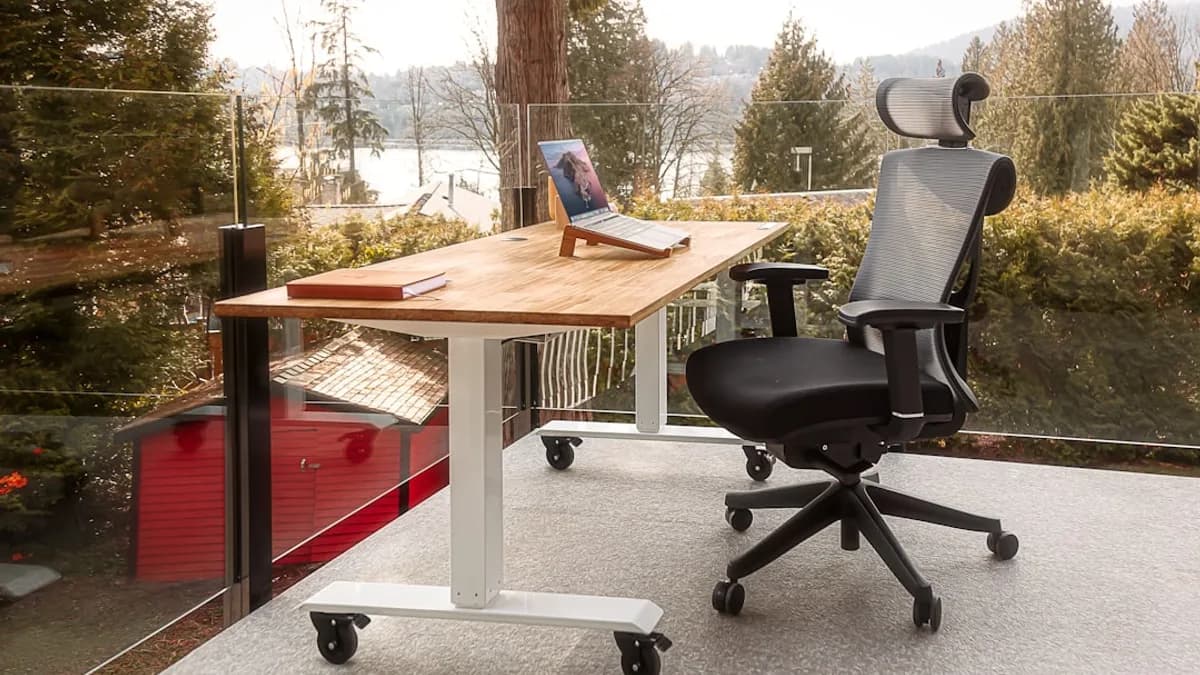
LiberNovo Launches Maxis Chair Tailored for Big and Tall Professionals
LiberNovo is putting an end to one-size-fits-all office seating. The company’s new Maxis ergonomic chair, announced this week, adapts the core technology of its award-winning Omni model—recognized with both the Red Dot: Product Design 2026 and iF Design Award 2026—to meet the needs of larger and taller professionals, a group long neglected by mainstream ergonomic furniture. The Maxis isn’t a simple upsizing; it brings the full suite of LiberNovo’s dynamic comfort features to a design specifically engineered for bigger frames, according to 9to5Mac.
The chair preserves flagship features like the Bionic FlexFit Backrest, a Dynamic Support System, and the Motorized Massage Mode—hallmarks that set the Omni apart in a crowded field. While most “big and tall” chairs compromise by scaling up only select dimensions, LiberNovo claims a ground-up redesign, aiming for full-body support without the pitfalls that plague standard seats for larger users.
Analysis: The Maxis signals a strategic shift for LiberNovo, moving from serving the statistical average to addressing the real ergonomic pain points of those who traditionally “make do” in undersized chairs. The company is betting that big and tall professionals will recognize the difference between true customization and superficial scaling.
How the Maxis Chair Addresses Comfort Challenges for Larger Users
Standard ergonomic chairs often fail the big and tall segment: short backrests, cramped seats, and weight limits that undermine both comfort and durability. LiberNovo is positioning the Maxis as a direct answer to these issues. The chair’s core innovations focus on distributing support across the entire body, minimizing pressure points, and adapting dynamically to posture changes—crucial for users who spend long hours seated.
The Dynamic Support System, inherited from the Omni series, is engineered to respond instantly to shifts in position, reducing the static discomfort that can lead to chronic pain. The Bionic FlexFit Backrest aims to provide continuous, spine-aligned support, while the Motorized Massage Mode offers targeted relief during extended work sessions.
The significance here goes beyond comfort. Chronic discomfort from ill-fitting chairs is linked to lower back pain, hip numbness, and fatigue—all productivity killers. By targeting these pain points with technical solutions, LiberNovo is making an implicit argument: workplace wellness depends on furniture that actually fits the worker.
Analysis: The Maxis chair’s emphasis on dynamic, full-body support—rather than just bigger dimensions—marks a significant advance for professionals who have been sidelined by standard designs. If the engineering behind these features translates outside the spec sheet, the Maxis could redefine expectations for what “ergonomic” really means for larger users.
What the Release of the Maxis Chair Means for the Ergonomic Furniture Market
LiberNovo’s move is more than a product launch—it’s a challenge to an industry that has long settled for “close enough” in the big and tall category. By transplanting premium engineering and design accolades from the Omni to a chair built specifically for larger frames, the company is forcing the market to reconsider what tailored ergonomics can deliver.
The likely impact is twofold: First, big and tall professionals gain an option that doesn’t require compromise. Second, the broader sector is put on notice—incremental scaling won’t cut it if Maxis’ approach gains traction.
What remains unclear is how the Maxis will perform in real-world office environments over time, and whether its high-end features will justify what is likely to be a premium price point (no pricing details are disclosed in the source). There’s also no data yet on actual user reception, durability over years of use, or how the Motorized Massage Mode holds up to daily wear.
Analysis: LiberNovo’s decision to retain every core innovation from the Omni, rather than stripping features for cost-cutting, sets a high bar. If the Maxis delivers on its promises, it could spark a shift toward genuine ergonomic inclusivity, with potential ripple effects for both product development and workplace health standards.
What to Watch: Will True Ergonomic Customization Become the New Standard?
With the Maxis, LiberNovo is gambling that underserved segments—those who have spent years wedged into chairs not built for their bodies—will recognize the value of a chair designed around their needs, not just their size. The company’s focus on premium engineering for a niche audience could force a broader rethink in ergonomic furniture design.
What’s next? All eyes will be on user feedback as the Maxis rolls out to offices and home workspaces. If the features work as advertised and the chair’s engineering stands up to the daily grind, competitors may have to follow suit with genuine redesigns, not just larger versions of existing products. For now, the Maxis sets a new benchmark: not just bigger, but smarter and more adaptive seating for those who need it most.
Why It Matters
- LiberNovo's Maxis chair addresses a longstanding gap for big and tall professionals seeking truly ergonomic seating.
- A ground-up design offers genuine comfort and support, not just larger dimensions.
- The launch signals a broader industry shift towards inclusive, user-specific office solutions.