Why Lexus’ New 3-Row SUV Challenges Tesla’s Family Vehicle Dominance
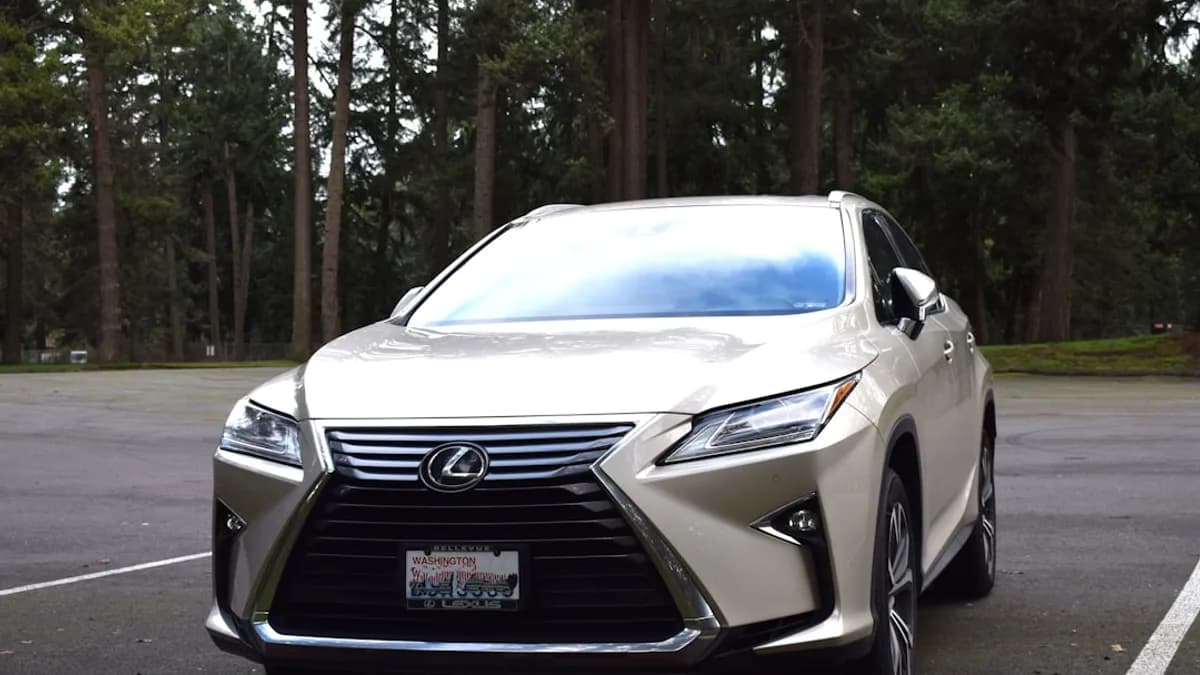
Lexus just pulled off a coup: it’s the first to offer a truly luxurious 3-row SUV for US families, while Tesla’s showroom still leaves big households wanting. For years, Tesla has owned the headlines for electric luxury and innovation. Yet when it comes to moving six or seven people in comfort and style, Tesla falters. The Model X, despite its flashy falcon-wing doors, maxes out at six seats and—critically—has never delivered the kind of plush, whisper-quiet ride Lexus is famous for. The Model Y’s third row is barely suitable for kids, and the Cybertruck, for now, is a two-row oddity.
That gap in Tesla’s lineup isn’t trivial. US families with three or more kids represent a sizable slice of the luxury SUV market—just ask Mercedes-Benz (GLS) and BMW (X7), who have made fortunes catering to this cohort. Lexus’ new 3-row entrant is a deliberate strike, aimed at filling a vacuum Tesla left unaddressed. The brand’s reputation for comfort, reliability, and understated luxury isn’t just marketing fluff; Lexus consistently ranks near the top in J.D. Power’s owner satisfaction surveys, especially for its SUVs. By beating Tesla to market, Lexus isn’t just grabbing sales—it’s reasserting the value of old-school luxury in a segment obsessed with tech.
The timing is no accident. As Notebookcheck notes, Tesla may eventually field a Cybertruck-based SUV, but until then, Lexus gets a head start with families who won’t gamble on a waitlist and want luxury now.
Quantifying Luxury: How Lexus’ Quietest Cabin Sets a New Benchmark in Family SUVs
Lexus didn’t just add a third row and call it a day—the new SUV boasts what’s being called the quietest cabin in the segment. That’s not hyperbole. Early reviews cite interior noise levels as low as 55 decibels at highway speeds. For context, Tesla’s Model X averages 61-62 decibels under similar conditions, and even Mercedes’ GLS hovers around 58-60. Lexus’ engineers accomplished this with a combination of triple-sealed doors, acoustic glass, and targeted sound-dampening materials throughout the floor, firewall, and wheel wells.
Why does quiet matter? Long drives with kids are where cabin noise becomes more than an annoyance—it’s a stress multiplier. Lexus’ approach goes beyond decibels: they’ve tuned the suspension and insulation to dampen not just road noise but also the high-frequency whine common in electric drivetrains. That’s a direct swipe at Tesla, whose EVs, while quiet compared to gas SUVs, still transmit tire noise and wind turbulence at speed.
Interior space is another battleground. Lexus’ new model offers 7.5 cubic feet more cargo room behind the third row than the Model X, and its second and third rows are wider by 2-3 inches, translating to more shoulder room for adults. The third row isn’t just an afterthought—it’s designed for real passengers, not just small children or occasional use. This is a critical distinction: in the US, SUV buyers increasingly demand that all three rows be comfortable enough for daily use, not just emergencies.
Lexus also opts for traditional luxury touches—real wood trim, plush semi-aniline leather, and an infotainment system that doesn’t require a software update to work reliably. While Tesla’s minimalist interiors appeal to tech enthusiasts, families often prefer tactile comfort and proven functionality. The numbers make Lexus’ case: J.D. Power’s 2023 U.S. Tech Experience Study found Lexus owners rated their infotainment usability 14% higher than Tesla’s, a gap that grows in multi-row vehicles.
Diverse Stakeholder Views on Lexus’ 3-Row SUV vs Tesla’s Upcoming Cybertruck SUV
Automotive experts are split. Some praise Lexus for its disciplined entry: launching a traditional luxury 3-row before Tesla can pivot away from its two-row experimentation. Others argue that Tesla’s delay is strategic—a Cybertruck SUV could leapfrog competitors on range, performance, and tech. But in the near term, Lexus gets the advantage: it’s the only brand offering a genuinely quiet, spacious three-row luxury SUV with proven reliability.
Customers are talking with their wallets. Families who value comfort and familiarity lean toward Lexus, especially those wary of Tesla’s software quirks or unconventional design choices. For them, luxury means a serene cabin, predictable controls, and seats that don’t feel like an afterthought. On the other hand, Tesla loyalists—and those who crave the bleeding edge—are holding out for the promise of Cybertruck SUV, betting that it will deliver EV range and futuristic features no traditional automaker can match.
Industry analysts see risk and reward. Some point to Tesla’s historic pattern: letting others solve mainstream problems and then blitzing the market with disruptive tech. But this time, the delay could cost Tesla brand loyalty among large families, a segment that’s notoriously hard to win back once lost. Lexus, meanwhile, banks on its reputation for reliability and comfort, betting that these factors outweigh the appeal of autopilot and over-the-air updates, especially for parents prioritizing safety and convenience.
Tracing the Evolution of Luxury Family SUVs: Lexus’ Legacy vs Tesla’s Innovation
Lexus has been a benchmark for luxury SUVs since the RX debuted in 1998. The formula: plush interiors, bulletproof reliability, and a ride quiet enough to lull backseat passengers to sleep. The GX and LX further cemented Lexus’ reputation for family-oriented luxury, often outselling German rivals among buyers who want comfort without ostentation.
Tesla, by contrast, has always prioritized innovation. The Model X was the first electric SUV to offer six seats and advanced driver assistance, but its third row has never matched traditional SUVs for comfort. Tesla’s focus on range, battery tech, and software updates won it accolades and early adopters, but it left a gap for buyers who want familiar luxury. This isn’t just anecdotal: in 2022, Model X sales dropped 17%, while Lexus RX and GX sales climbed 11%—a sign that market demand for classic luxury isn’t fading.
Both brands have responded to shifting consumer priorities. As EV adoption rises, families want more than just green credentials—they demand space, quiet, and convenience. Lexus’ new 3-row is a response to these evolving needs, grounded in decades of refinement. Tesla’s innovation-driven strategy has yet to produce a truly family-first luxury SUV, but its track record suggests it could redefine the segment once the Cybertruck SUV lands.
What Lexus’ Quiet 3-Row SUV Means for US Families and the Luxury SUV Market
Lexus’ entry isn’t just a new model—it’s a statement about what large families actually want from a luxury SUV. The quietest cabin, real adult-sized third row, and proven reliability directly address the pain points that have dogged Tesla’s Model X and Model Y. For families juggling school runs, road trips, and daily chaos, Lexus’ offering is pragmatic luxury—comfort you can count on, not just tech features that require a learning curve.
This move forces competitors to recalibrate. Mercedes and BMW must rethink their noise insulation and third row designs; Tesla faces pressure to produce a three-row that’s more than just a stretched Cybertruck. Consumer expectations are shifting: as more buyers experience Lexus’ quiet comfort, the bar for luxury in electric SUVs rises. EVs can no longer rely solely on range or performance—the new differentiator is serene, spacious practicality.
The numbers back this up. In 2023, 3-row luxury SUV sales grew 9% year-over-year, while two-row models stagnated. Families aren’t just a niche—they’re driving the next phase of SUV growth. Lexus’ bet on comfort and usability isn’t nostalgia; it’s market-driven strategy that leaves Tesla catching up.
Forecasting the Future: How Tesla’s Cybertruck SUV Could Redefine the 3-Row Luxury Segment
When the Cybertruck SUV finally arrives, Tesla will have a rare chance to reset the segment. If it delivers on promised specs—500 miles of range, advanced driver aids, and a third row fit for adults—Tesla could leapfrog Lexus and others. But reaching that benchmark means overcoming real challenges: noise management in a large EV, maintaining ride comfort with a stiff chassis, and translating the Cybertruck’s polarizing design into family-friendly form.
Tesla’s likely playbook: aggressive pricing, software-driven features, and a focus on performance. Expect autopilot upgrades tailored for family driving, customizable interiors, and integration with Tesla’s energy ecosystem. If the Cybertruck SUV can combine these with the kind of quiet and comfort Lexus now offers, it could draw families away from traditional luxury brands.
Broader trends suggest a shakeup is coming. EV share in the luxury SUV segment hit 18% in Q1 2024, up from 12% the year before. Consumers increasingly demand both electric power and uncompromising comfort. The next wave of family SUVs won’t just be about who gets there first—it’ll be about who can deliver genuine luxury at scale.
Smart money says Lexus will hold its lead for the next 12-18 months, especially among buyers who value quiet and reliability. But Tesla’s history of rapid iteration means the Cybertruck SUV, once real, could set new standards for space, tech, and electric performance. The most likely scenario: a bifurcated market, with Lexus dominating traditional luxury and Tesla capturing tech-forward families. The winner will be the brand that best marries innovation with everyday usability—something the luxury SUV segment has rarely seen until now.
Why It Matters
- Lexus is first to market with a true 3-row luxury SUV, addressing a major gap for US families.
- The quietest cabin sets a new standard for comfort, giving Lexus a clear advantage over Tesla and others.
- Tesla’s absence in this segment could lead to lost sales and brand loyalty among larger households.